
AEC Buyer Guide — No. 06
GIS & Mapping Plotters: Color You Can Read at Arm's Length
Maps invert everything you know about plotting: dense color fills, not sparse lines — so ink set, color separation and width decide the machine.
Shop these machines
Ranked live by our spec-graded scoring — prices & stock are current. Free U.S. shipping on every printer.
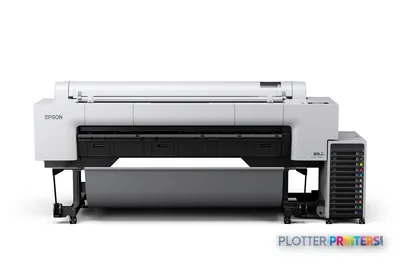
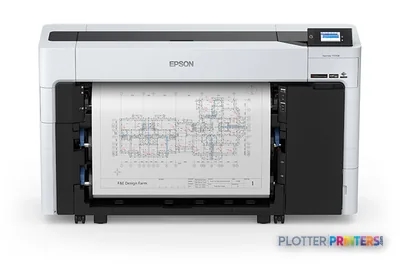 Epson SureColor T5770DR 36-in Dual-Roll PlotterSCT5770DR36"2400 dpiWi-FiView details
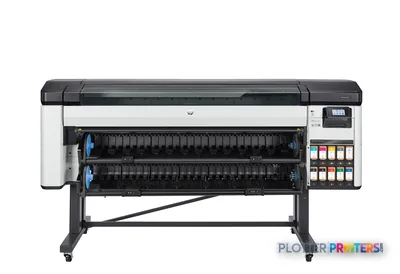
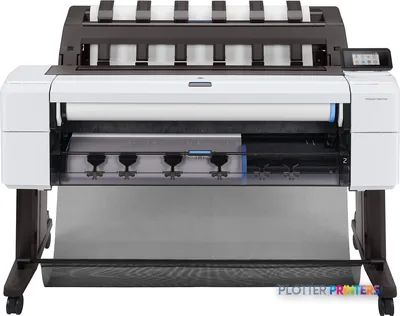 HP DesignJet T1600dr PS Managed Printer (36-in)3EK13P#B1936"2400 dpiView details
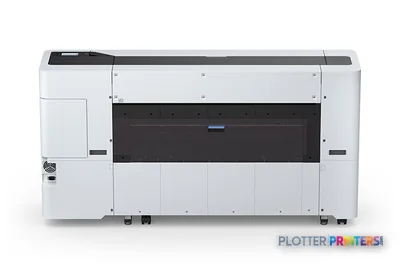 Epson SureColor T7770DR 44-in Dual-Roll PrinterSCT7770DR44"2400 dpiWi-FiView details
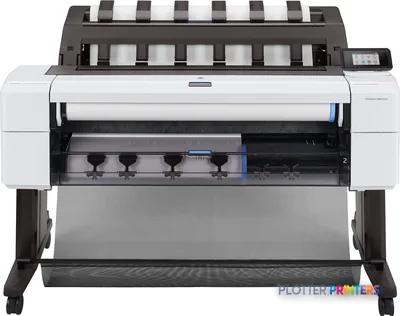 HP DesignJet T1600dr 36-in PostScript Printer, Plus Edition3EK13D36"2400 dpiView details
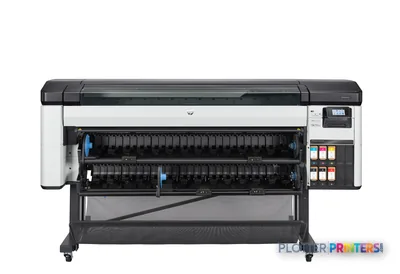
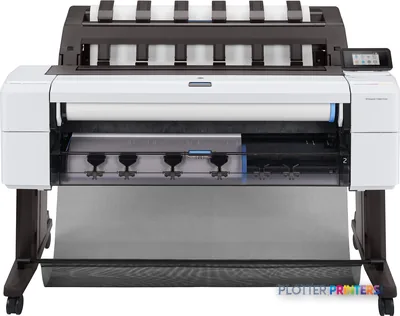 HP DesignJet T1600dr 36-in PostScript Printer3EK13F#B1936"2400 dpiView details
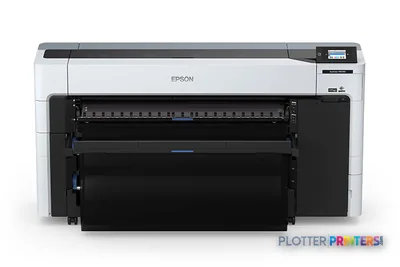 Epson SureColor P8570DR 44-in Dual-Roll PrinterSCP8570DR44"2400 dpiWi-FiView details
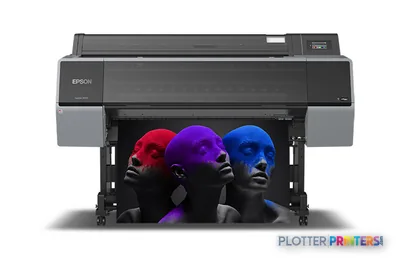 Epson SureColor P9570 44-in Wide-Format PrinterSCP9570SE44"2400 dpiView details
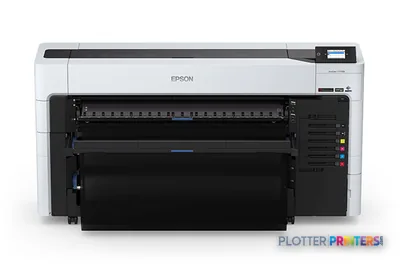 Epson SureColor T7770DL 44-in Wide-Format PrinterSCT7770DL44"2400 dpiWi-FiView details
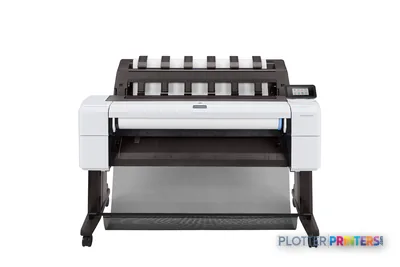 HP DesignJet T1600 36-in PostScript Printer Plus Edition3EK11D36"2400 dpiView details
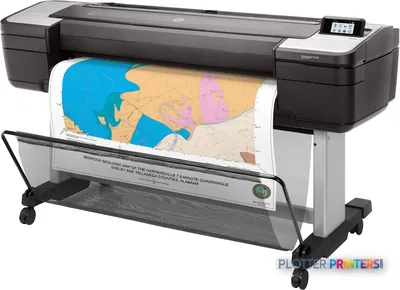 HP DesignJet T1700dr 44-in PostScript Printer1VD88A#B1944"2400 dpiView details
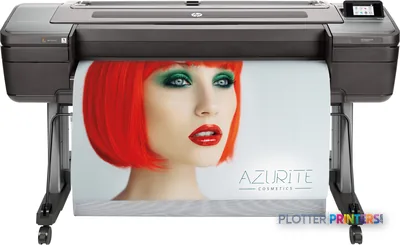 HP DesignJet Z9+dr 44-in PostScript Printer with V-TrimmerX9D24A#B1944"2400 dpiView details
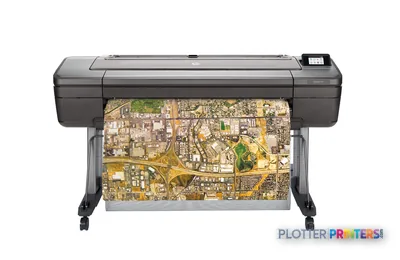 HP DesignJet Z6dr 44-in PostScript Printer with V-TrimmerT8W18A#B1944"2400 dpiView details
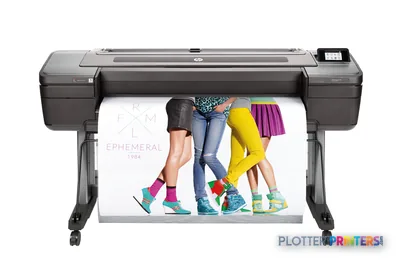 HP DesignJet Z9+ 44-in PostScript PrinterW3Z72A44"2400 dpiView details
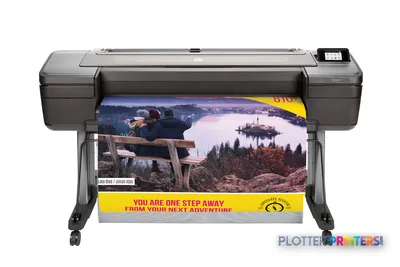 HP DesignJet Z6 44-in PostScript PrinterT8W16A44"2400 dpiView details
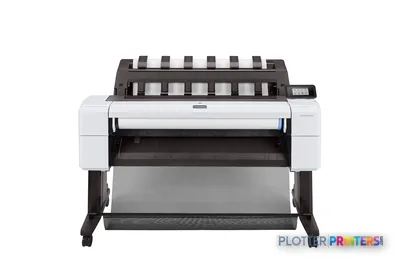 HP DesignJet T1600 36-in Printer, Plus Edition3EK10D36"2400 dpiView details
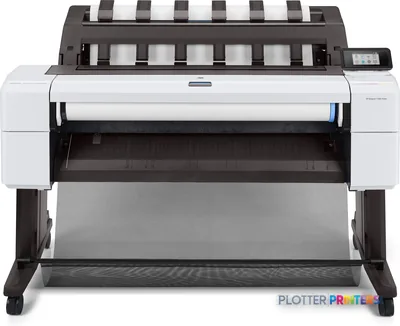 HP DesignJet T1600 36-in PostScript Printer, Plus Edition3EK11P36"2400 dpiView details
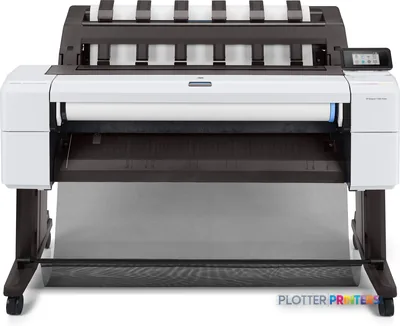 HP DesignJet T1600 36-in PostScript Printer Plus Edition3EK11Z36"2400 dpiView details
 HP DesignJet T1600 36-in Printer3EK10A36"2400 dpiView details
 HP DesignJet T1700 44-in PostScript Printer1VD87A#B1944"2400 dpiView details
 HP DesignJet T1600PS 36-in Plotter3EK11D#B1936"2400 dpiView details
Free U.S. shipping on printersKlarna & Affirm at checkoutTalk to a person: 980-536-0080

A GIS map is the opposite of a CAD drawing. Where an engineering plot is a few thousand crisp black lines floating on white paper, a zoning map, a soils survey or a flood-hazard exhibit is ink from edge to edge — overlapping tints, graduated hillshade, dense polygon fills that cover the sheet. That single difference reorders the entire buying decision. For mapping, the machine class is set by ink coverage capacity, by how cleanly the color engine separates adjacent tints, and by media width — not by line-drawing speed.
So the honest answer to “what plotter should a map shop buy?” starts with color, not resolution. A 36-inch pigment-ink color machine handles standard map sheets and record maps for most municipal, utility and environmental work; a 44-inch or wider graphics-class machine earns its footprint when you produce wall maps or run two-up. The ranked picks below carry the current models and live scores — this page tells you which class fits which mapping workflow, and why.
The stakes are quiet but real. If two zoning tints read as the same color once the map is reduced to a handout, or after a week pinned to a hearing-room wall, the map has failed at its one job: carrying information. That is a color-fidelity and media-permanence question, and it deserves measured evidence rather than a spec-sheet percentage. We measure gamut on the same paper we put every printer on, and we route you to that data where it matters.
Three map shops, three briefs
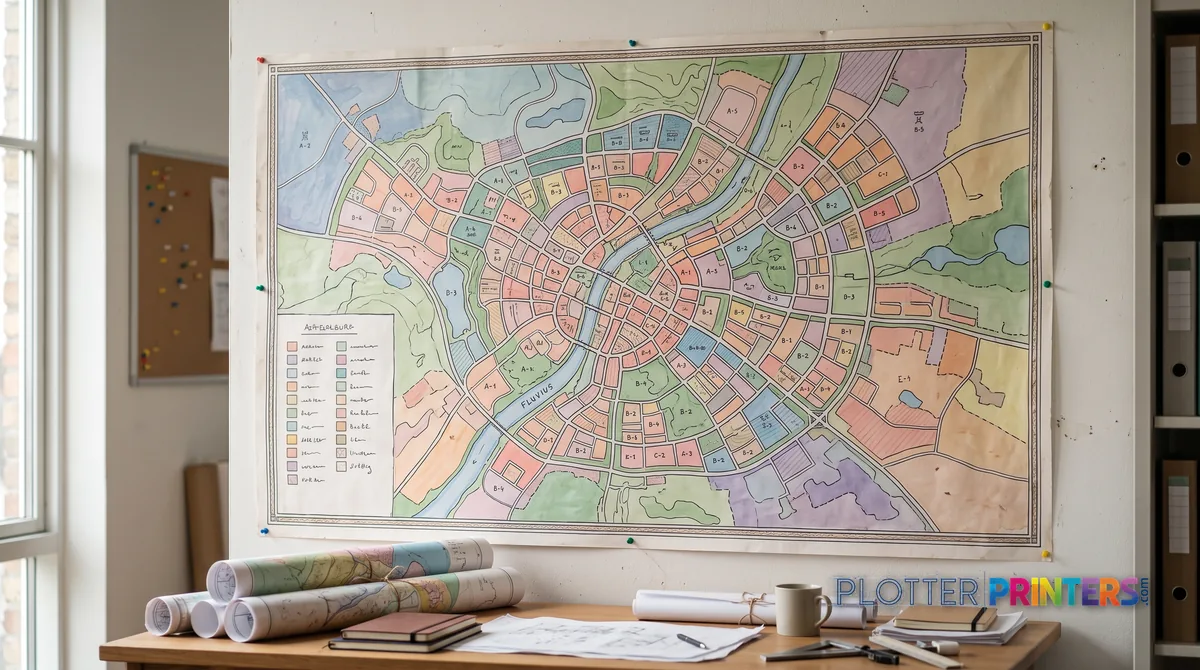
SHT 02 · PLOTTERPRINTERS ANALYST DESKPicture a permit set: black linework, dimension text, a title block, acres of untouched white. Now picture a land-use map at the same size: it is saturated corner to corner, greens against tans against pinks, a river of blue, a highway corridor in bold red. The paper barely shows. That inversion — from sparse lines on white to dense fills edge to edge — is the whole story of choosing a mapping plotter.
On a line drawing, the printer spends most of its time moving over blank paper. On a full-coverage map, every square inch is laid down with ink, and the machine must manage far more ink volume, more drying, and much tighter control over how neighboring colors sit against each other. A technical plotter tuned to render fine black lines on plain bond is optimized for exactly the wrong problem.
What matters instead: an ink set broad enough to keep many area colors distinct; a color engine that separates adjacent tints cleanly; ink capacity sized for heavy coverage; and coated media that holds saturation without cockling. Width comes next, because map sheets are large. Line speed — the headline number on CAD plotters — barely enters the conversation, because you are rarely waiting on linework. The three buyers below share this inverted problem but weigh the pieces differently.
The planning-office map program
Zoning maps, land-use exhibits and public-meeting boards where tints must stay legible at reduction and on a wall for weeks. A 36-inch pigment color machine on matte coated media is the sensible center; step up to 44-inch when wall maps become routine. Color separation and profile honesty matter more than speed.
The corridor and field-set shop
Long linear corridor sheets, plats and field sets that mix dense base maps with crisp survey linework. A 36-inch class machine — ideally dual-roll, so coated map stock and plain bond stay loaded at once — keeps both jobs moving. Pigment ink survives the tailgate and the weather.
The report-exhibit and records contractor
Report exhibits, deliverable maps and archival record sheets bound to federal retention standards. Pigment permanence is non-negotiable for record maps. Pair a 36-inch color machine with scan-to-archive capability for legacy sheets — a wide-format MFP or a production workflow handles both new exhibits and the back catalog.
The grids rank color-first machines live; the ICC hub carries the measured gamut data.
The ranked mapping machines
SHT 03 · PLOTTERPRINTERS ANALYST DESK36–44-inch graphics class — map production
Ranked live by our spec-graded scoring.
Epson SureColor T5770DR 36-in Dual-Roll PlotterSCT5770DR36"2400 dpiWi-FiView detailsHP DesignJet T1600dr PS Managed Printer (36-in)3EK13P#B1936"2400 dpiView detailsEpson SureColor T7770DR 44-in Dual-Roll PrinterSCT7770DR44"2400 dpiWi-FiView detailsHP DesignJet T1600dr 36-in PostScript Printer, Plus Edition3EK13D36"2400 dpiView details60-inch+ class — wall maps & exhibits
PageWide class — map sets at volume
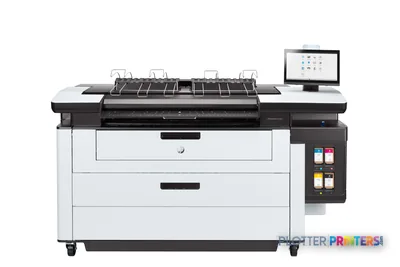 HP PageWide XL Pro 5200 MFP Printer4VW19A40"1200 dpiScanView details
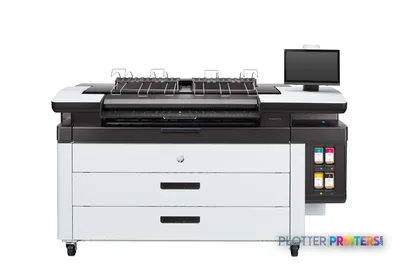 HP PageWide XL 3950 40-in Multifunction Printer with Top Stacker86Z37F40"1200 dpiView details
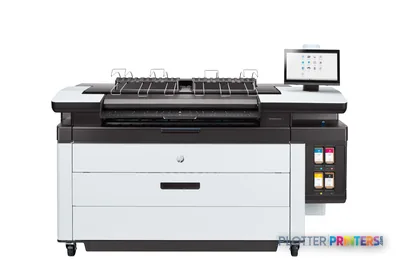 HP PageWide XL 5200 Printer4VW16A40"1200 dpiScanView details
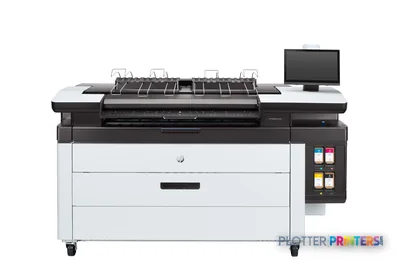 HP PageWide XL 4250 40-in Multifunction Printer with Top Stacker86Z39A40"1200 dpiScanView details
Layer legibility is the spec that actually matters
SHT 04 · PLOTTERPRINTERS ANALYST DESKThe real specification for a mapping printer is not resolution or droplet size. It is this: can two adjacent layer tints — a residential zone next to a mixed-use zone, a hydric soil next to a well-drained one, the 100-year flood fringe against the floodway — stay visibly apart on paper, at reduced scale, and a week later on a wall?
The difference shows up where information lives: in the last few percent of separation between two close greens. On screen, the analyst chose those tints against a calibrated monitor and full RGB space. On paper, the printer has to reproduce them within its own gamut, and two colors that looked distinct on the display can collapse into the same muddy value if the machine can’t resolve them or the profile isn’t honest. When that happens, the map stops carrying information.
This is an ink-set-breadth and profiling question. More ink channels generally means more room to hold subtle tints apart; a well-built ICC profile on the actual media you print determines whether that potential reaches paper. This is exactly why we measure — gamut volume, not a flat 2-D marketing percentage — on the same paper for every printer we test. If you want the receipts before you commit a map program to a machine, our measured color gamut rankings are where that evidence lives. Read them the way a cartographer reads a legend: the numbers mean something because they were measured the same way every time.
Heavy-coverage economics: ink, media, and the real cost of a full map
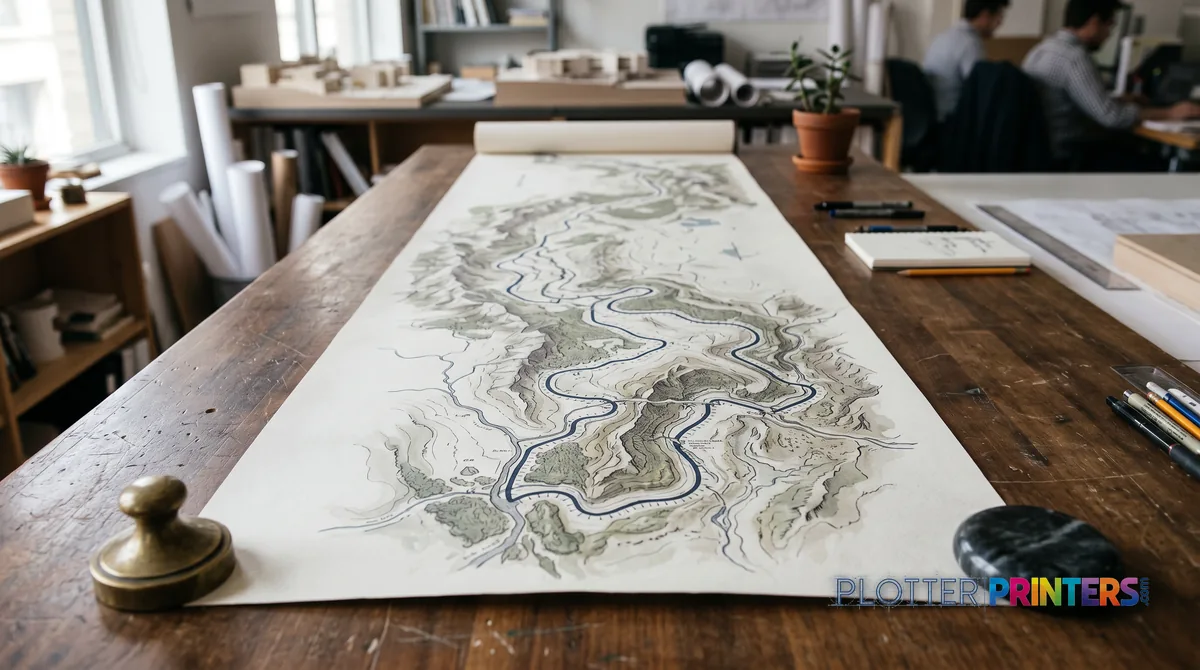
SHT 05 · PLOTTERPRINTERS ANALYST DESKA full-bleed E-size color map — 36 by 48 inches of saturated fill — drinks ink in a way a line drawing never will. That single fact drives most of the ongoing cost of a mapping operation, so it deserves planning rather than surprise. High coverage means faster consumable turnover, so a machine with larger ink capacity and larger cartridges or tanks reduces both cost pressure and the number of times someone stops a print run to swap a color. In a shop producing hearing exhibits in batches, that matters more than headline speed.
Media is the other half of the equation. Matte coated paper is the sensible default for maps: it holds ink without pooling, keeps tints saturated, resists the cockling that plain bond suffers under heavy coverage, and reads cleanly under the fluorescent light of a meeting room without glare. Gloss and satin have their place for presentation boards, but for information-dense maps that people lean over and annotate, matte coated earns its keep.
Think about cost per finished map rather than cost per milliliter. A machine that sips ink but muddies your tints, or one that forces a cartridge change mid-run, costs you in ways a spec sheet won’t show. The economics favor pigment ink here too — not because it is cheaper per drop, but because a record map you reprint because it faded is the most expensive map of all. Coverage duty, ink capacity and media choice are one decision, not three.
Width, honestly: what 36 inches covers and when 44 earns its space
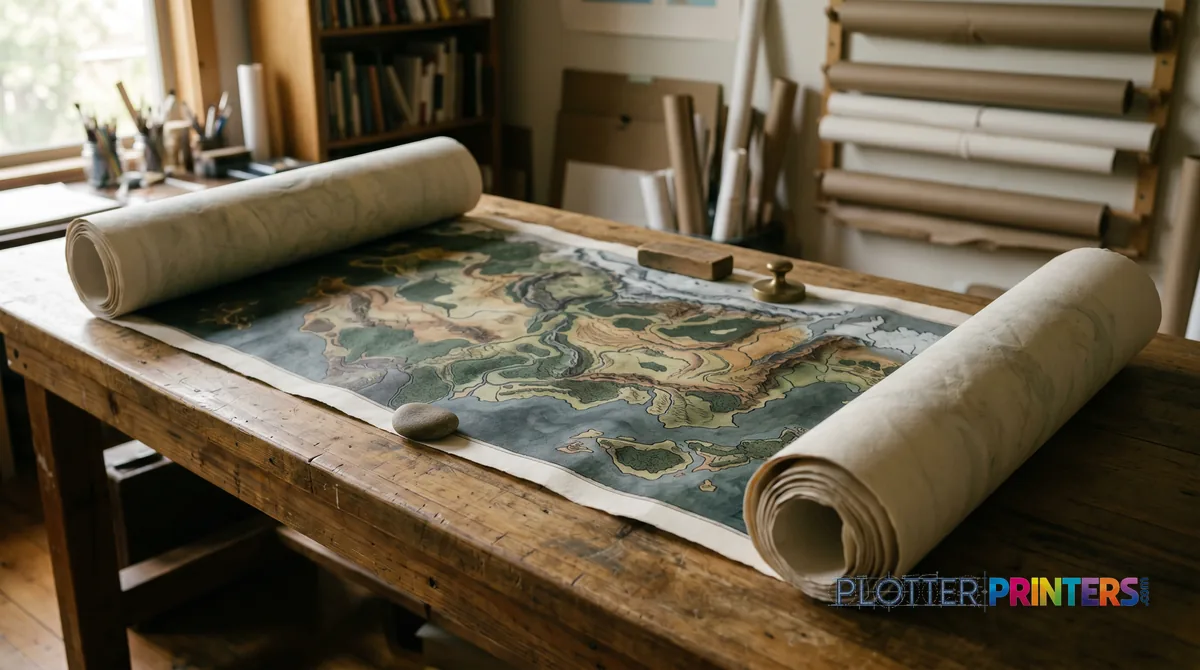
Start with what your sheets actually are. A 36-inch roll prints full ARCH E (36×48 in) and ISO A0 (33.1×46.8 in) — the standard large map sheet — plus D-size and half-size sets off the same machine. For the majority of municipal, survey and environmental work, a 36-inch pigment color machine is the right center of gravity: it covers standard sheets, handles record maps, and fits a normal office footprint. A 24-inch class machine handles A1/D-size and suits a small office that prints occasionally, but it will limit you the first time a wall map is requested.
Go wider — 44 inches or more — when you genuinely produce wall maps larger than E-size, or when you run two-up to get more throughput from a single pass. Wall-map and gallery work is where the 44-inch graphics leaderboard and the 60-inch-plus picks belong. Don’t buy the width you might use once a year; route that job out and buy for your weekly reality.
When a public meeting triggers a surge — dozens of exhibits and handout sets on a deadline — a stationary production-class machine changes the math; see the production class hub. And for record maps that must survive years in a file drawer, insist on pigment ink for its water and UV resistance. That permanence is the whole point of an archival map.
Your questions, answered
SHT 07 · PLOTTERPRINTERS ANALYST DESKWhat kind of plotter is best for printing GIS maps?
For most GIS work, a 36-inch pigment-ink color plotter on matte coated media. Maps are dense, edge-to-edge color rather than sparse linework, so you want broad ink-set separation, adequate ink capacity for heavy coverage, and archival pigment. Line-drawing speed, the headline spec on CAD plotters, matters little here. Only step up to 44-inch or wider if you routinely produce wall maps or run two-up.
Why do maps use so much more ink than engineering drawings?
An engineering drawing is a few thousand black lines on mostly white paper — the printer skips over blank space. A GIS map is filled corner to corner with overlapping tints, hillshade and polygon fills. Every square inch carries ink, so full-bleed E-size color consumes far more than a line drawing at the same size. Plan for higher consumable turnover and favor machines with larger ink capacity to reduce mid-run swaps.
Dye ink or pigment ink for map printing?
Pigment for almost all mapping. Dye ink is vivid and lower cost per drop but fades faster and is less water-resistant. Record maps, deliverables and anything pinned to a wall need pigment’s UV and water resistance, or you will reprint faded exhibits. The only case for dye is short-lived, high-vividness work that never needs to survive — rare in a map program.
Will a 36-inch plotter cover standard map sheets?
Yes. A 36-inch roll prints full ARCH E (36×48 in) and ISO A0 (33.1×46.8 in), the standard large map sheets, plus D-size (24×36 in), A1 and half-size sets off the same machine. That covers the majority of municipal, utility and environmental output. You only need 44-inch or wider for wall maps larger than E-size or for two-up production runs.
Why does color separation matter so much for maps?
Because on a map, color is information. If two zoning classes or two soil types are assigned close tints, those tints must stay visibly distinct in print, at reduced scale, and after a week on a wall. A narrow ink set or a dishonest profile can collapse them into the same value, and the map fails. Machines with broader ink sets and properly measured ICC profiles hold subtle tints apart.
What media should I use for GIS maps?
Matte coated paper is the default. It holds ink without pooling under heavy coverage, keeps tints saturated, resists cockling that plain bond suffers, and reads cleanly under meeting-room light without glare. Gloss and satin suit presentation boards, but for information-dense maps people lean over and annotate, matte coated is the practical choice. Plain bond is fine for check plots and internal linework.
How do I compare color accuracy between mapping printers?
Look for measured gamut data taken on the same media for every printer, not the 2-D marketing percentages most datasheets quote. Measured gamut volume tells you how much room a machine actually has to hold close tints apart. Our measured color gamut rankings publish that evidence on a consistent paper. Read it before committing a map program to any machine, because separation is the spec that determines whether your maps carry information.
Do I need a scanner for a GIS operation?
Often, yes — especially for environmental and government records work with legacy paper maps to digitize. A wide-format MFP combines print, scan and copy, letting you archive old sheets and produce new exhibits from one device. If your legacy volume is high, a dedicated scanning or production workflow may serve better. If you rarely scan, a standalone color plotter keeps things simpler and cheaper to run.
When is a 44-inch or wider plotter worth it for maps?
When you genuinely produce wall maps larger than E-size, or run two-up to get more sheets per pass. Wider machines cost more, take more floor space and use more media, so buy for your weekly reality, not a once-a-year job — route the rare oversize map out instead. If wall-map and exhibit work is routine, the 44-inch and 60-inch graphics leaderboards on this site are the right place to look.
How should I handle a surge of maps before a public meeting?
Batch printing dozens of exhibits and handout sets on a deadline is where a stationary production-class machine changes the arithmetic — it is built for volume that a single-roll CAD plotter struggles with. If surges are occasional, a capable 36-inch color machine with large ink capacity may cover it. If they are regular, look at the production class hub and plan capacity around your busiest week, not your average one.
The bottom line
SHT 08 · PLOTTERPRINTERS ANALYST DESK- Mapping inverts plotting: dense edge-to-edge color, not sparse linework, so ink set, color separation and width set the machine class.
- Layer legibility is the real spec — adjacent tints must stay distinct in print, at reduction, and after a week on a wall.
- Judge color by measured gamut on consistent media, not by the 2-D percentages on a datasheet.
- Pigment ink is the mapping default; record maps that fade are the most expensive maps of all.
- A 36-inch pigment color machine on matte coated media covers most map shops; reserve 44-inch-plus for wall maps and two-up runs.
- Plan for heavy-coverage economics: cost per finished map, larger ink capacity, and scan-to-archive for legacy sheets.
Printing maps that have to be read?
Tell us your sheet sizes and coverage — we'll match measured color to the work.