
Size & Format Guide — No. 02
24-Inch Plotters: Full-Size Plans Without the Floor Space
A 24-inch plotter prints ARCH D 24×36 full-size off the roll — the standard construction sheet. Here's what it covers and what you trade.
Shop these machines
Ranked live by our spec-graded scoring — prices & stock are current. Free U.S. shipping on every printer.
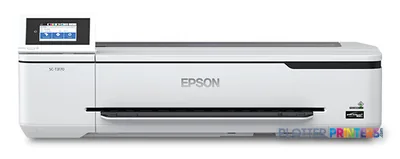
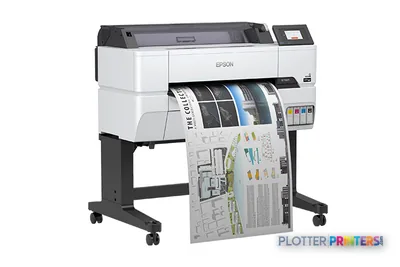 Epson SureColor T3475 24-in Wide-Format PrinterSCT3475SR24"2400 dpiWi-FiView details
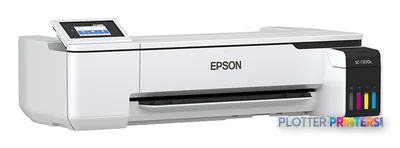 Epson SureColor T3170x 24-in Wireless PrinterSCT3170X24"2400 dpiView details
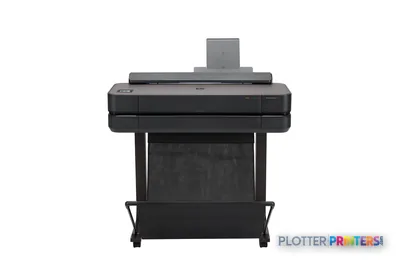 HP DesignJet T650 24-in Printer5HB08D24"2400 dpiWi-FiView details
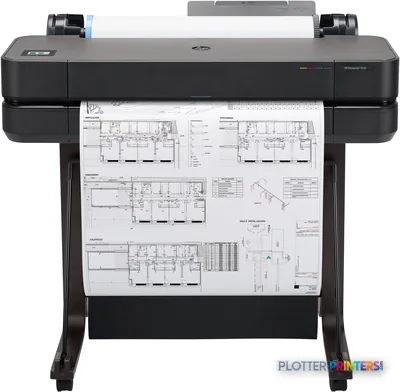 HP DesignJet T630 24-in Printer5HB09D24"2400 dpiWi-FiView details
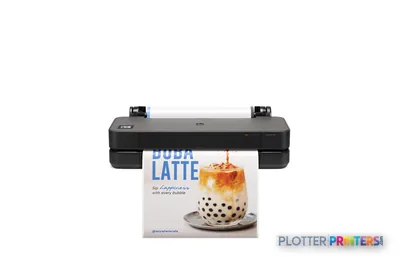 HP DesignJet T250 24-in Printer5HB06D24"2400 dpiWi-FiView details
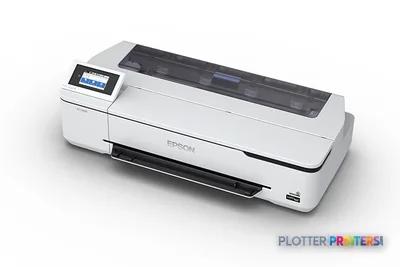 Epson SureColor T3170 24-in Wireless PrinterSCT3170SR24"2400 dpiWi-FiView details
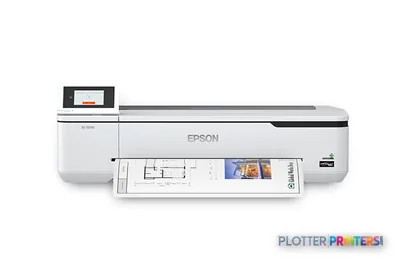 Epson SureColor T2170 24-in Wide-Format PrinterSCT2170SR24"2400 dpiWi-FiView details
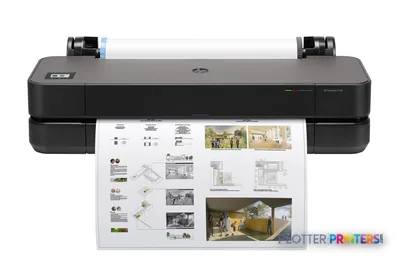 HP DesignJet T230 24-in Printer5HB07D24"2400 dpiWi-FiView details
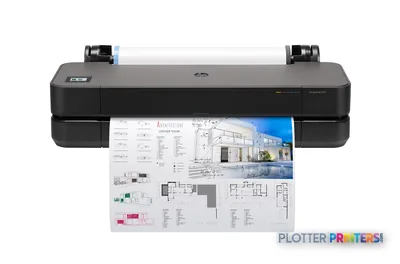 HP DesignJet T210 24-in Printer8AG32T24"2400 dpiWi-FiView details
Free U.S. shipping on printersKlarna & Affirm at checkoutTalk to a person: 980-536-0080

Yes: a 24-inch plotter prints the standard construction sheet — ARCH D, 24×36 inches — at full size, straight off the roll. It also handles ISO A1, ANSI D (22×34), and every half-size set below them. If your drawings live at D-size, this class covers your daily work.
What it won’t do is ARCH E (36×48) or ISO A0 at full size. That’s the whole trade. A 24-inch roll tops out at D-size and A1; anything bigger needs the 36-inch class. For a solo architect or a small firm printing plans weekly rather than daily, that ceiling rarely bites. Most small offices submit and check at D-size or half-size, and the ones who need E-size occasionally send those two sheets to a repro shop instead of buying a bigger, floor-standing machine to print them twice a month.
The upside of staying at 24 inches is real. These machines sit on a desk or a low cart. They cost less to buy and less to feed. They’re quiet enough to share a room with people on the phone. The trade-off is single-roll operation and slower churn on big multi-sheet sets — fine for a ten-sheet permit set, less fun for a hundred-sheet bid package.
Below you’ll find a live leaderboard of ranked 24-inch picks, plus a to-scale sheet-size visualizer that settles the “will my sheets actually fit” question better than any paragraph can. Start there if size is your only doubt. If you print A0 regularly, skip this page — the 36-inch hub is your aisle.
Who the 24-inch class fits
SHT 02 · PLOTTERPRINTERS ANALYST DESKThe number that matters: a 24-inch roll prints ARCH D — 24×36 inches — at full size. That’s the standard construction sheet in North American practice. It also covers ANSI D (22×34) and ISO A1 (594×841 mm, roughly 23.4×33.1 in), which is the metric near-twin of D-size. Every half-size set below that — 11×17, 12×18 — comes off the same roll with room to spare.
One distinction trips people up: print width versus trim. A 24-inch roll gives you 24 inches of imageable width. ARCH D is exactly 24 inches on its short edge, so you print it full-bleed-class and it lands right at the roll’s ceiling. If your PDF has a border or a title-block margin, you’re comfortable. If someone drew all the way to the sheet edge, you’ll want to check margins in the driver before you commit twenty sheets to a set. The paper-size chart spells out the exact dimensions.
Here’s the honest part most spec sheets won’t tell you: the majority of small offices never print E-size in-house. ARCH E (36×48) shows up for large-scale site plans and the occasional presentation, and when it does, a repro shop turns it around cheaper than owning a bigger machine to run it twice a month. If you genuinely produce A0 or E-size weekly, that changes the math — see the 36-inch class. For everyone else, D-size and A1 are the workload, and the visualizer below draws every one of these sheets to scale so you can see the fit before you buy. Bottom line: if your title block says ARCH D, this class prints your whole job.
The occasional printer
You submit and check at D-size, and you print a set every week or two. A single-roll 24-inch plotter on your desk is exactly right. E-size goes to the repro shop the rare times you need it — no reason to buy a bigger machine for two sheets a month.
The small firm's daily driver
Two or three people, D-size and half-size sets going out most weeks. A 24-inch plotter keeps up fine — keep a spare roll loaded so a mid-set run-out doesn’t cost you the afternoon. If big bid packages become routine, that’s your signal to look at the 36-inch class.
The color-side user
You want presentation boards and A1 renders with real color. A pigment-ink 24-inch machine gives you archival, water-resistant output that holds up in a client’s hands. It prints crisp linework on plain bond too — one machine covering both your plans and your color work at A1.
Grids below rank the class live — scores, prices and stock stay current on their own.
The ranked 24-inch machines
SHT 03 · PLOTTERPRINTERS ANALYST DESKCAD & technical — the class core
Ranked live by our spec-graded scoring.
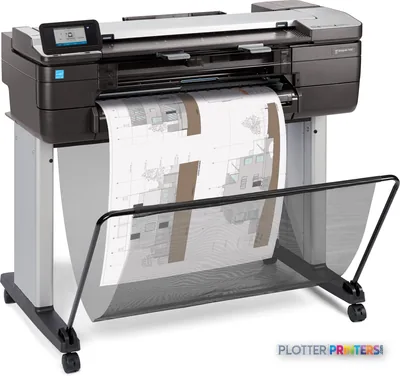
Print, scan & copy — 24-inch MFPs
Color-first — 24-inch graphics machines
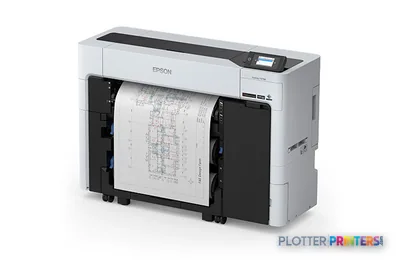 Epson SureColor T3770DR 24-in Wide-Format PrinterSCT3770DR24"2400 dpiWi-FiView details
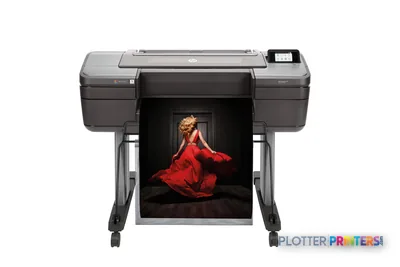 HP DesignJet Z9+ 24-in PostScript PrinterW3Z71A#B1924"2400 dpiView details
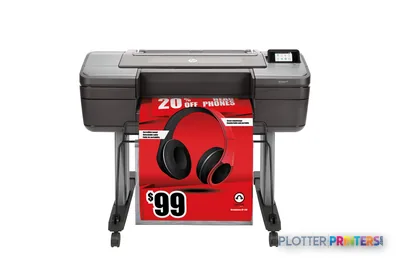 HP DesignJet Z6 24-in PostScript PrinterT8W15A24"2400 dpiView details
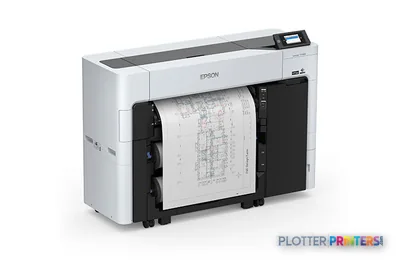 Epson SureColor T3770E 24-in PlotterSCT3770EDR24"2400 dpiWi-FiView details
The 24-vs-36 ledger, honestly
SHT 04 · PLOTTERPRINTERS ANALYST DESKStart with what you can’t print. No ARCH E, no ISO A0 at full size. That’s the hard ceiling. If your practice produces those regularly, no amount of clever nesting fixes it — you need a wider roll.
Next: single roll. Most 24-inch machines carry one roll at a time. The 36-inch class often offers dual-roll, meaning bond and gloss (or two widths) loaded at once, switching automatically per job. On a single-roll machine, printing a bond permit set and then a gloss render means a manual swap. That swap is a two-minute job — but it’s two minutes you stop and do, and at 4:45 on a deadline that interruption is the part you’ll remember.
Then throughput. A ten-sheet D-size set off a 24-inch plotter is a non-event. A hundred-sheet bid package is a different story: single roll, one sheet feeding at a time, no second roll to fall back on when the first runs out mid-run. The 36-inch workhorses churn big sets faster and ride through roll changes with less babysitting.
What you save is space, money, and noise. These machines sit on a desk. They don’t dominate a room or a budget. They’re quiet enough to live where people work.
Rule of thumb: if you print D-size and half-size sets, weekly not daily, and E-size is a phone-the-repro-shop event — stay at 24 inches. The moment E-size becomes routine, or you’re running big sets against tight deadlines more than once a week, step up. Bottom line: buy for your real workload, not the one sheet you print twice a year.
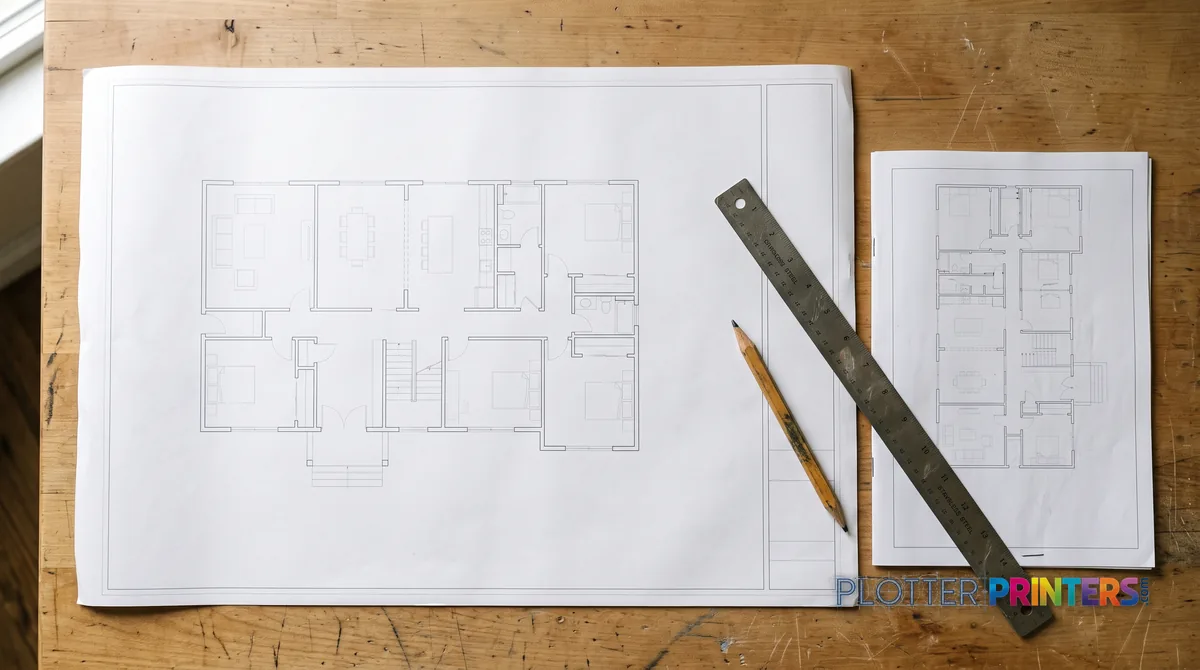
Drawn to scale
Will your sheets fit? See them at true proportion
Every ANSI, ARCH and ISO sheet, nested to scale — tap one and we'll point you at the roll width it needs.
Tap a sheet to inspect it.
Living with one: desk, rolls, and batch plotting
SHT 05 · PLOTTERPRINTERS ANALYST DESKA 24-inch machine lives on a desk or a low cart. That’s the point of the class. No dedicated floor space, no rearranging the office around it. Put it where you can reach the roll and catch the output, and you’re done.
Roll changes are a two-minute job. Pop the spindle, drop the new roll, feed the leading edge, close the cover. You’ll do this more often than a dual-roll owner because you’ve got one roll to run dry — so keep a spare loaded on the shelf, not on order. Running out mid-set with no backup roll in the building is the failure mode that keeps you late.
Sheets feed one at a time. Fine for cut-sheet work, but the real throughput comes off the roll. Ink and bond costs at this duty cycle are modest precisely because the volume is modest — you’re printing weekly, not feeding a plan room.
For workflow, the win is batch plotting. Bluebeam, the native CAD driver, or a straight PDF print all let you queue a full half-size set — 11×17 or 12×18 — and let it run while you do something useful. Set the page size and scale once, save the preset, and next deadline you’re not fiddling with margins again. Bottom line: keep a spare roll loaded and let the batch queue do the standing-around for you.
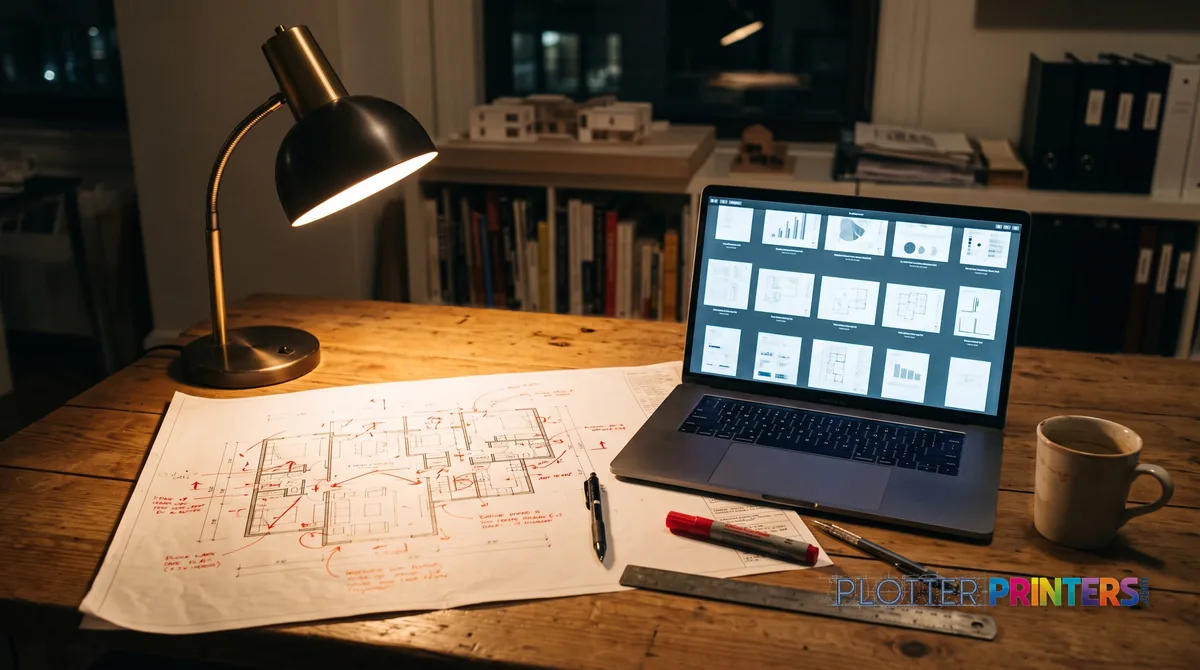
When a 24-inch MFP earns its keep
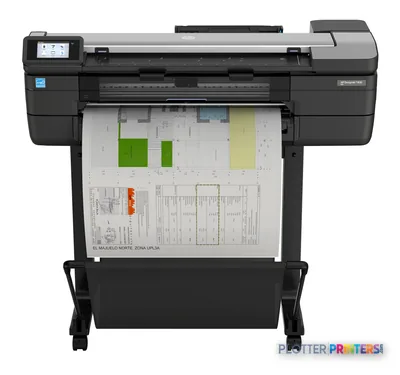
The MFP version adds an integrated scanner — print, scan, and copy at 24 inches wide. It costs more and takes more desk. The question is whether you actually scan wide.
Where it earns the price: redline markups you need to capture and archive, as-builts for small renovation jobs, and one-off copies of an existing drawing a client hands you on paper. If wide originals cross your desk regularly and you need them digitized cleanly — not as a lopsided phone photo — a 24-inch MFP pays for itself in the hours you don’t spend at a copy shop. The 24-inch MFP leaderboard ranks the current options.
Where it honestly doesn’t: if “scanning” means occasionally grabbing a field markup for reference, a phone camera and a scan app cover it. For plan-room volume — as-built libraries, daily copy work — look at the plan-room guide instead; that’s a different duty class. Bottom line: buy the scanner if wide originals are a weekly habit, not a once-a-quarter surprise.
Your questions, answered
SHT 07 · PLOTTERPRINTERS ANALYST DESKWill a 24-inch plotter print a standard 24×36 construction sheet?
Yes. ARCH D is 24×36 inches, and a 24-inch roll prints it full-size — the short edge matches the roll’s imageable width exactly. That’s the standard North American construction sheet, so this class covers the drawings most architects and engineers produce every day. Just check your title-block margins in the driver if a PDF was drawn to the sheet edge.
Is a 24-inch plotter the same as an A1 plotter?
Effectively, yes. ISO A1 measures 594×841 mm, or about 23.4×33.1 inches, which fits inside a 24-inch roll. So a 24-inch machine is the standard choice for A1 metric work as well as ARCH D and ANSI D. If you work primarily in ISO sizes, the A1 buyer’s page covers the same machines from that angle.
What can't a 24-inch plotter print?
It can’t print ARCH E (36×48) or ISO A0 (841×1189 mm) at full size — those need a 36-inch roll. It also can’t print ARCH E1 (30×42) full-size. If those sizes are routine in your work, look at the 36-inch class. If they show up rarely, a repro shop handles them cheaper than owning a bigger machine to run them occasionally.
Single roll or dual roll — does it matter at this size?
Most 24-inch machines are single-roll, and for weekly D-size printing that’s fine. Dual-roll — two media types loaded at once, like bond and gloss — belongs to the 36-inch class. On a single-roll machine, switching from bond to gloss means a two-minute manual swap. If you mix media constantly in one session, that swap adds up; if you batch by paper type, it barely registers.
Where does a 24-inch plotter fit in a small office?
On a desk or a low cart. That’s the defining trait of the class — no dedicated floor space, no rearranging the room. It’s quiet enough to share space with people on the phone. Put it where you can reach the roll to swap it and catch the output as it feeds, and you’ve solved the placement question.
How often will I change rolls?
That depends on your volume, but at a weekly-not-daily duty cycle, roll changes are occasional. The change itself takes about two minutes: swap the spindle, feed the leading edge, close the cover. The one habit worth forming is keeping a spare roll loaded in the building. Running dry mid-set with nothing on the shelf is the thing that keeps you late.
Dye ink or pigment ink for a 24-inch plotter?
For AEC work, pigment ink is the default. It’s archival, water- and UV-resistant, and holds up when a drawing sits in the field or a client’s hands. Dye ink runs brighter and cheaper per print, but it fades sooner. If you print plans and the occasional color board, pigment is the safer choice. Technical machines print sharp linework on plain bond either way.
Do I need the MFP version with a scanner?
Only if wide originals cross your desk regularly. A 24-inch MFP scans and copies at full width, which earns its price for redline markups, as-builts, and copying paper drawings a client hands you. If you only occasionally grab a field markup for reference, a phone scanning app covers it honestly. Buy the scanner for a weekly habit, not a quarterly surprise.
Can a 24-inch plotter handle presentation boards?
Yes, up to A1 or D-size. A pigment-ink 24-inch machine produces color boards and renders that hold up physically and print with good gamut. The limit is size — you can’t produce a 36×48 board full-size on a 24-inch roll. If your boards are consistently E-size, that’s a reason to consider the 36-inch or graphics class instead.
When should I step up to a 36-inch plotter instead?
When E-size or A0 becomes routine rather than rare, or when you’re churning large multi-sheet sets against tight deadlines more than once a week. Dual-roll capability and faster throughput justify the extra space and cost at that point. Below those thresholds, a 24-inch machine saves money, space, and noise without holding your work back.
The bottom line
SHT 08 · PLOTTERPRINTERS ANALYST DESK- A 24-inch plotter prints ARCH D 24×36, ISO A1, ANSI D, and every half-size set below at full size off the roll.
- The hard ceiling is E-size and A0 — if those are routine, step up to the 36-inch class; if they're rare, use a repro shop.
- Most machines are single-roll, so keep a spare roll loaded to avoid a mid-set run-out that costs you an afternoon.
- These machines live on a desk or low cart — the class trades throughput and dual-roll flexibility for space, cost, and quiet.
- Choose pigment ink for archival, water-resistant plans and color boards up to A1.
- Add the MFP scanner only if wide originals cross your desk weekly; a phone app covers the occasional field markup.
Shortlisting a 24-inch machine?
Tell us your sheet sizes and monthly volume — we'll answer with specifics.
Supplies for 24-inch plotters, by machine
Each machine has its own supplies hub listing the cartridges, printheads, rolls and accessories verified against the manufacturer’s documentation for that model.
- Epson SureColor P6570E ink and paper
- Epson SureColor P7570 ink and paper
- Epson SureColor T2170 ink and paper
- Epson SureColor T3170 ink and paper
- Epson SureColor T3170M ink and paper
- Epson SureColor T3170x ink and paper
- Epson SureColor T3475 ink and paper
- Epson SureColor T3770DR ink and paper
- Epson SureColor T3770E ink and paper
- HP DesignJet T210 ink and paper
- HP DesignJet T230 ink and paper
- HP DesignJet T250 ink and paper
- HP DesignJet T630 ink and paper
- HP DesignJet T650 ink and paper
- HP DesignJet T830 ink and paper
- HP DesignJet T830 MFP ink and paper
- HP DesignJet T870 ink and paper
- HP DesignJet XT870 ink and paper