
Size & Format Guide — No. 06
Color Plotters: Where Accuracy Stops Being Optional
Every modern plotter prints color; a color plotter is built for it — more ink channels, gamut-tuned pigment, coated-media handling.
Shop these machines
Ranked live by our spec-graded scoring — prices & stock are current. Free U.S. shipping on every printer.
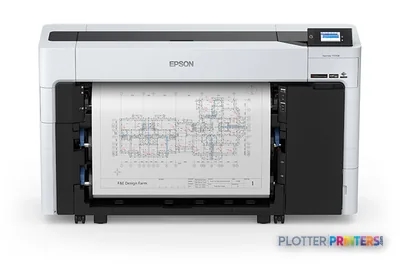 Epson SureColor T5770DR 36-in Dual-Roll PlotterSCT5770DR36"2400 dpiWi-FiView details
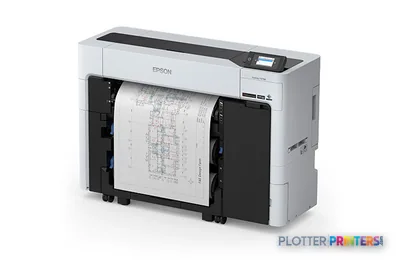 Epson SureColor T3770DR 24-in Wide-Format PrinterSCT3770DR24"2400 dpiWi-FiView details
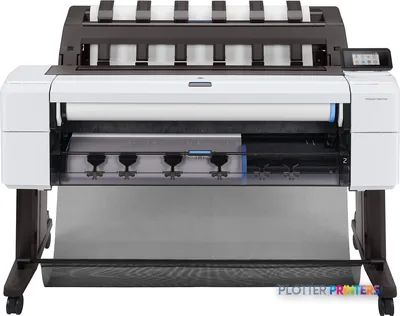 HP DesignJet T1600dr PS Managed Printer (36-in)3EK13P#B1936"2400 dpiView details
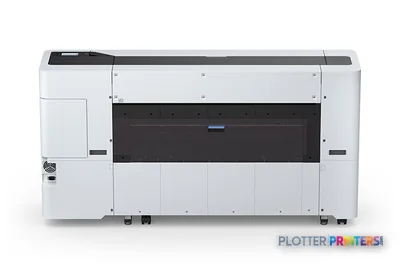 Epson SureColor T7770DR 44-in Dual-Roll PrinterSCT7770DR44"2400 dpiWi-FiView details
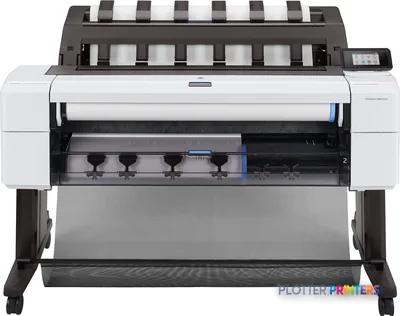 HP DesignJet T1600dr 36-in PostScript Printer, Plus Edition3EK13D36"2400 dpiView details
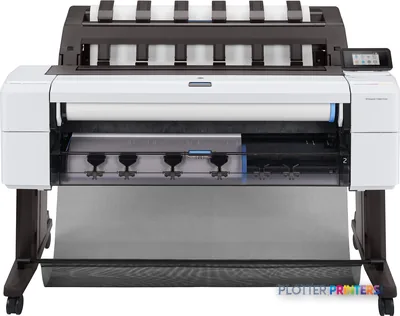 HP DesignJet T1600dr 36-in PostScript Printer3EK13F#B1936"2400 dpiView details
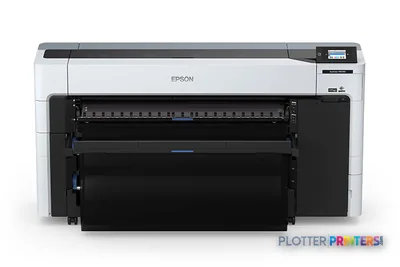 Epson SureColor P8570DR 44-in Dual-Roll PrinterSCP8570DR44"2400 dpiWi-FiView details
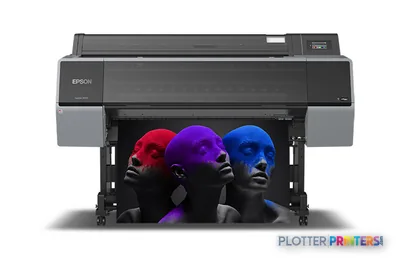 Epson SureColor P9570 44-in Wide-Format PrinterSCP9570SE44"2400 dpiView details
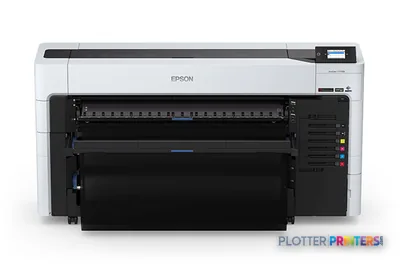 Epson SureColor T7770DL 44-in Wide-Format PrinterSCT7770DL44"2400 dpiWi-FiView details
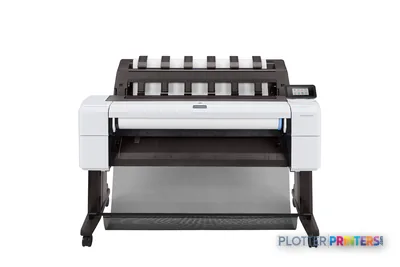 HP DesignJet T1600 36-in PostScript Printer Plus Edition3EK11D36"2400 dpiView details
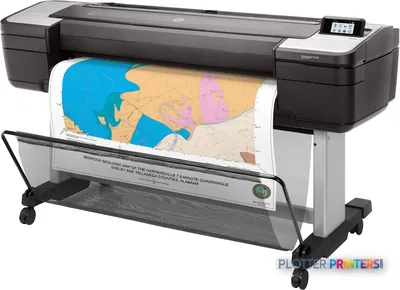 HP DesignJet T1700dr 44-in PostScript Printer1VD88A#B1944"2400 dpiView details
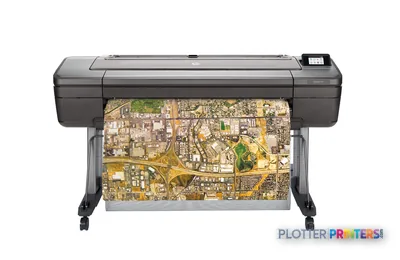 HP DesignJet Z6dr 44-in PostScript Printer with V-TrimmerT8W18A#B1944"2400 dpiView details
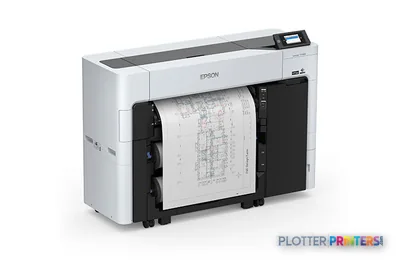 Epson SureColor T3770E 24-in PlotterSCT3770EDR24"2400 dpiWi-FiView details
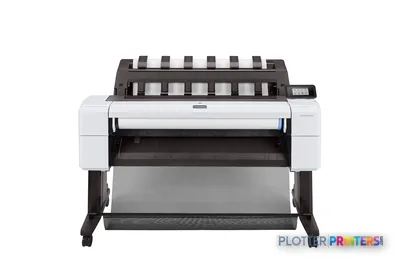 HP DesignJet T1600 36-in Printer, Plus Edition3EK10D36"2400 dpiView details
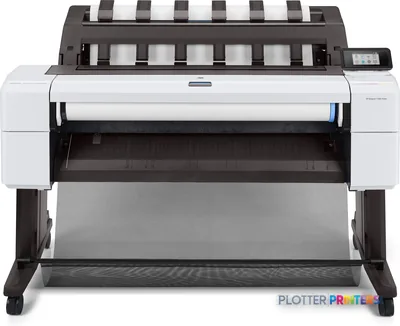 HP DesignJet T1600 36-in PostScript Printer, Plus Edition3EK11P36"2400 dpiView details
 HP DesignJet T1600 36-in PostScript Printer Plus Edition3EK11Z36"2400 dpiView details
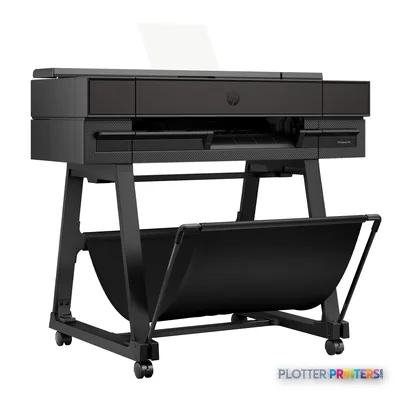 HP DesignJet T870 24-in PrinterAM0X9A24"2400 dpiWi-FiView details
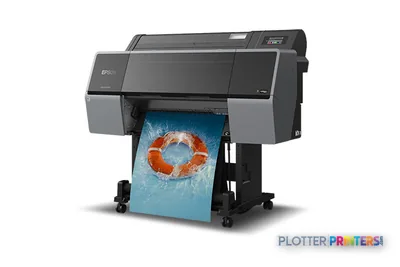 Epson SureColor P7570 24-in Wide-Format PrinterSCP7570SE24"2400 dpiView details
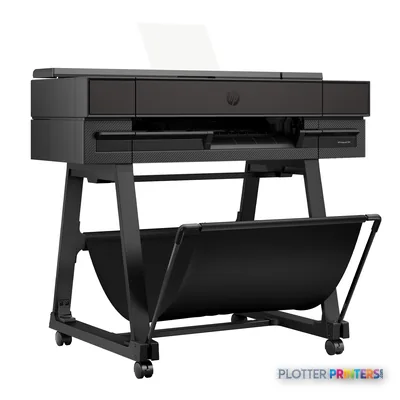 HP DesignJet XT870 24-in PrinterAM0X9F24"2400 dpiView details
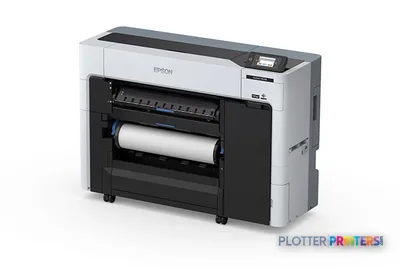 Epson SureColor P6570E 24-in Wide-Format PrinterSCP6570ESR24"2400 dpiWi-FiView details
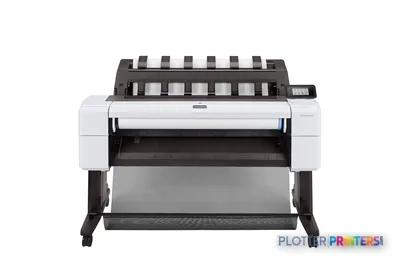 HP DesignJet T1600PS 36-in Plotter3EK11D#B1936"2400 dpiView details
Free U.S. shipping on printersKlarna & Affirm at checkoutTalk to a person: 980-536-0080

Every modern technical plotter prints in color. A color plotter is built for it: where a CAD workhorse runs four to six inks aimed at crisp black linework, a color-first machine carries six to twelve channels, a pigment set tuned for gamut, and a paper path that treats coated, satin and photo stock as first-class citizens rather than exceptions. That difference is the whole page.
If your output gets judged — a rendering pinned to a client board, a GIS base map where four zoning tints must stay four distinguishable tints, a marketing render where skin tones and foliage have to look right — you feel the gap immediately. Four-ink machines band across a gradient sky and drift in the saturated fills, because they simply lack the colorants to place those hues. Add channels and light inks, and the last five percent of a saturated red stops collapsing into a flat blob.
Here is how we keep this honest: we do not repeat the “billions of colors” line from the spec sheet. We run each machine’s official ICC profile through gamut analysis on a common paper basis and rank the results on the measured color gamut hub, so you can compare reproducible color volume instead of marketing. The ranked picks below are score-ordered from that work. And because paper is roughly half the color result, we treat media choice as part of the decision, not an afterthought. Below: the dividing line, where it shows, how we measure, the media reality, and who each class fits.

Three color buyers, three briefs
SHT 02 · PLOTTERPRINTERS ANALYST DESKThe clearest tell is ink channels. A technical plotter typically runs four to six inks — cyan, magenta, yellow, black, sometimes a matte black and a gray — and that is plenty for a permit set full of black lines and a few hatch fills. A color-first machine adds channels: light cyan and light magenta to smooth pale gradients, sometimes red, green, orange or violet to push the edges of the gamut, and multiple grays to keep neutrals from going green or magenta. More colorants mean the printer can reproduce a hue rather than approximate it with dithered dots.
The pigment set matters as much as the count. Color-tuned pigment inks are formulated for wide gamut and consistent density, so a deep dusk shadow in a render holds detail instead of blocking up into mud. Media handling is the third piece: a color machine feeds and dries coated, satin and photo stocks without cockling or smearing, and manages ink limits per paper so a saturated fill does not pool.
None of this makes a color plotter better for a bid set — it makes it better for work that will be looked at closely, in good light, by someone deciding something. The technical machine remains the right tool for line drawings on plain bond. The color machine earns its keep the moment your output is the argument, not just the documentation. The three cards below map those needs to real buying scenarios.
The presentation-heavy studio
You live and die by the client review — renders, mood boards, saturated brand color that has to match the deck. A graphics/photo-class pigment machine with extra channels holds skin tones and gradient skies where a four-ink plotter bands. Pair it with satin or photo stock and treat the ICC gamut ranking as your shortlist.
The GIS & mapping team
Your color carries meaning: layer tints, category fills and legends that must stay distinguishable at a glance. A wide-gamut pigment machine keeps subtle hue steps separate instead of merging them into a mapping error. Prioritize reproducible color volume and lightfast pigment for maps that get handled in the field.
The hybrid firm, one device
You need crisp D and E plan sets on bond and the occasional board that impresses. A dual-roll 36-inch machine with a color-capable pigment set loads bond and gloss at once, so a plan run and a presentation come off the same device. It’s a compromise — but often the right one when floor space and budget say one printer.
The grids rank color-first machines live; the ICC hub carries the measured gamut data.
The ranked color-first machines
SHT 03 · PLOTTERPRINTERS ANALYST DESK24-inch graphics class — boards & proofs
Ranked live by our spec-graded scoring.
Epson SureColor T3770DR 24-in Wide-Format PrinterSCT3770DR24"2400 dpiWi-FiView details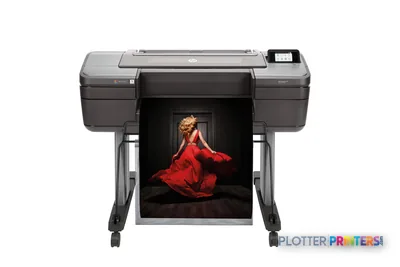 HP DesignJet Z9+ 24-in PostScript PrinterW3Z71A#B1924"2400 dpiView details
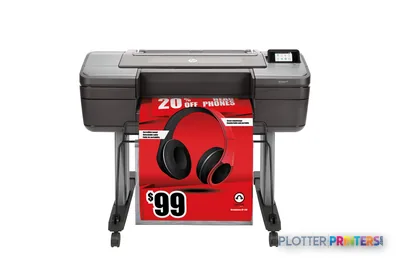 HP DesignJet Z6 24-in PostScript PrinterT8W15A24"2400 dpiView detailsEpson SureColor T3770E 24-in PlotterSCT3770EDR24"2400 dpiWi-FiView details
36–44-inch graphics class — maps & large boards
Epson SureColor T5770DR 36-in Dual-Roll PlotterSCT5770DR36"2400 dpiWi-FiView detailsHP DesignJet T1600dr PS Managed Printer (36-in)3EK13P#B1936"2400 dpiView detailsEpson SureColor T7770DR 44-in Dual-Roll PrinterSCT7770DR44"2400 dpiWi-FiView detailsHP DesignJet T1600dr 36-in PostScript Printer, Plus Edition3EK13D36"2400 dpiView detailsWhere the difference shows up
SHT 04 · PLOTTERPRINTERS ANALYST DESKLook at a rendered sky first. On a four-ink technical plotter, a dusk gradient from deep blue to warm horizon tends to step — you see faint bands where the printer runs out of intermediate tones and has to jump. Add light inks and those steps dissolve into a continuous wash; the cyan edge where sky meets building stays clean instead of speckling. That single test separates the two families faster than any spec line.
Foliage and skin are the other giveaways. Greens on technical machines skew toward a single flat institutional green because there is no red or green channel to modulate them; a color-first set renders the range from shadowed cedar to sunlit lawn. Skin tones are unforgiving — they live in a narrow band of the gamut, and when a printer can’t hold that band, faces go either jaundiced or sunburned. Clients notice faces before they notice anything else on the board.
Then there is the quiet one: GIS map tints. A zoning map might carry five pale category fills that differ by only a small hue and lightness shift. A machine with a coarse gamut merges two of them, and suddenly “residential” and “mixed-use” read as the same color — a factual error, not an aesthetic one. Color-first hardware keeps those subtle layer tints distinct. And saturated brand color on a presentation board — a specific corporate red or blue — is where the extra channels pay their rent, holding the exact hue instead of drifting toward the nearest primary. Architects can dig deeper on our presentation-work page; mapping teams should see the GIS machines guide.
How we grade color without adjectives
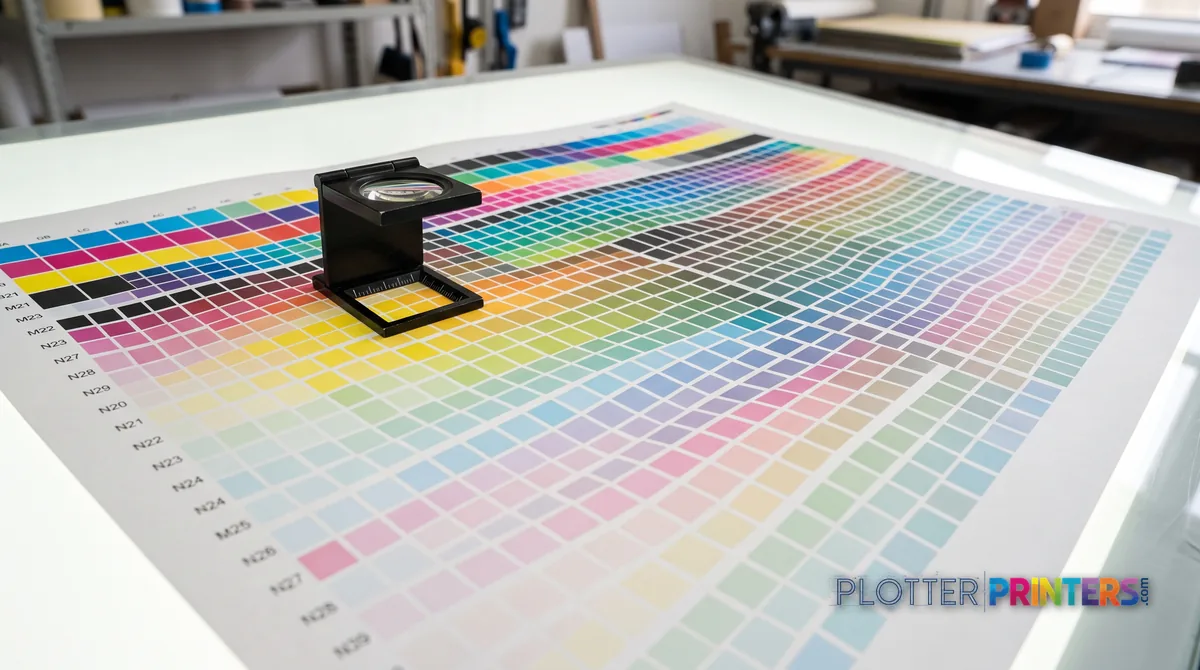
SHT 05 · PLOTTERPRINTERS ANALYST DESK“Billions of colors” is a number that means almost nothing, because it counts addressable values, not reproducible ones — the colors a printer can actually lay down on a given paper. So we stopped quoting it. Instead, we take each machine’s official manufacturer ICC profile and compute its gamut volume on a common paper basis, the same baryta reference for every printer, so the comparison is apples to apples rather than one vendor’s best stock against another’s worst.
Why the common basis matters: profile a machine on its own glossy showpiece and it looks spectacular; profile the same machine on plain bond and the gamut shrinks. Holding the paper constant isolates what the hardware and inkset can do. We report the result as reproducible color volume — a three-dimensional measurement — not the flat two-dimensional percentages that fill most marketing pages.
All of it lives on the measured color gamut rankings, which order the machines by actual color volume so you can see, rather than trust, which class member reaches furthest into saturated territory. We measured it on the same paper we put every printer on, so the number means something. Read the leaderboard there; use the ranked picks on this page to see how score and price line up today.
Paper is half the result
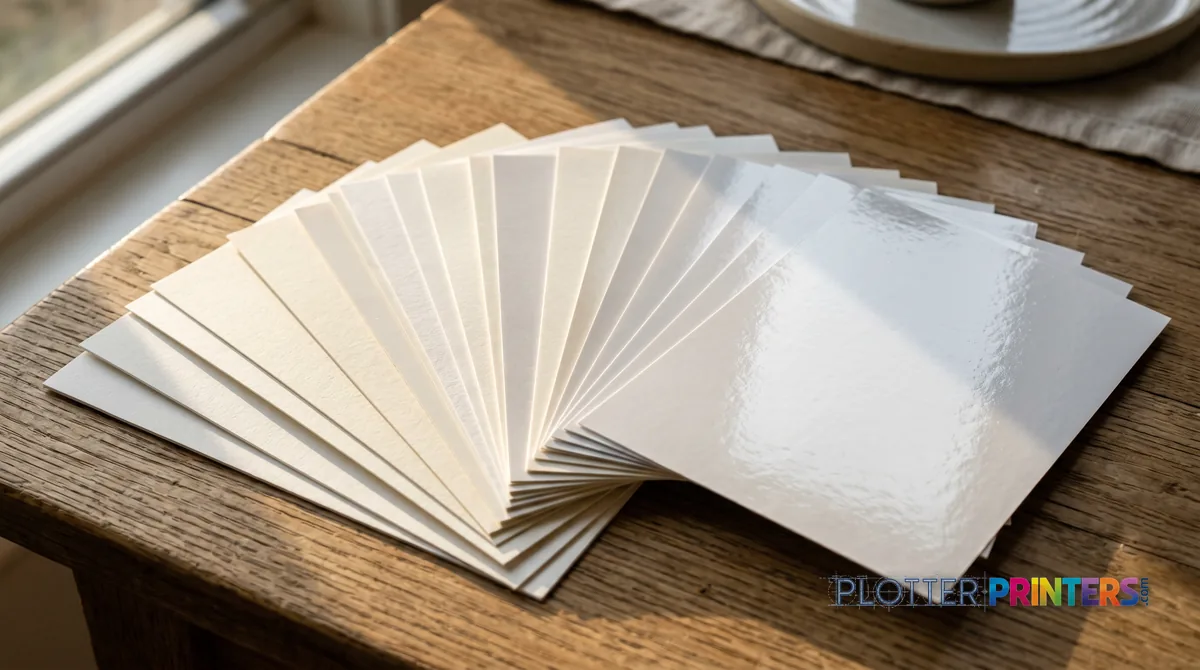
The best inkset in the world still can’t rescue the wrong paper. Plain bond drinks ink and scatters light, so saturated fills go dull and flat — fine for a check plot, wrong for a client board. A coated stock holds ink on the surface, and a satin or photo paper adds the density and the specular pop that makes a rendering look like the screen version the client already approved. Fine-art rag brings a matte tooth that flatters watercolor-style presentation work. Match the media to the job and half your color problem disappears before you touch a profile. · Roland & print-cut
Permanence is the other axis. Dye inks are vivid and cheaper per print, but they fade — a window-hung render can visibly shift within months. Pigment inks are the AEC default because they resist water and UV and hold their color for years, which matters the moment a board leaves your control and lives on a client’s wall or in a project archive. For anything client-facing or meant to last, pigment is the honest choice.
This is where dual-roll machines in the 36-inch class earn attention: load bond on one roll and gloss or coated on the other, and a single device serves both the plan set and the presentation without a media swap between jobs. It is the practical bridge for a firm that refuses to buy two printers. If you’re weighing brands, the Epson SureColor and HP DesignJet hubs break down each line’s media and inkset behavior.
Your questions, answered
SHT 07 · PLOTTERPRINTERS ANALYST DESKWhat's the difference between a color plotter and a normal plotter?
Every modern plotter prints in color, so the distinction is what it’s built for. A technical plotter runs four to six inks optimized for black linework on plain bond. A color plotter carries six to twelve channels, a pigment set tuned for wide gamut, light inks for smooth gradients, and a paper path that handles coated and photo stock. If your output is judged for color, that hardware difference is the deciding factor.
Do I need a color plotter if my current one already prints in color?
Only if color quality is being judged. A four- or five-ink technical machine prints acceptable color for hatch fills, redline markups and simple maps. But for renderings, presentation boards, or maps with subtle layer tints, that machine will band across gradients and merge close hues. If clients see your color and decide something based on it, a color-first machine pays off; if you mostly print line drawings, it doesn’t.
Dye or pigment ink for renderings and boards?
Pigment, for almost all AEC work. Dye inks are vivid and cheaper per print but fade — a render hung in daylight can visibly shift within months. Pigment inks resist water and UV and hold color for years, which matters the moment a board leaves your office for a client’s wall or a project archive. Dye only makes sense for short-lived internal prints that won’t be kept.
How do you measure color instead of just claiming it?
We take each machine’s official manufacturer ICC profile and compute its gamut volume on a common paper basis — the same reference stock for every printer — so comparisons are fair. We report reproducible color volume in three dimensions, not the flat two-dimensional percentages marketing pages use. The full ranking lives on our measured color gamut hub, ordered by actual reproducible color, so you compare evidence rather than adjectives.
Why don't you trust the 'billions of colors' spec?
Because it counts addressable values, not reproducible ones — the colors a printer can actually put on a specific paper. Two machines can advertise the same enormous number and reproduce very different gamuts. That’s why we measure gamut volume from ICC profiles on a common paper basis instead. It tells you how far the printer reaches into saturated reds, greens and blues, which is what actually shows up on a board.
What roll width do I need for presentation boards?
A 24-inch roll covers ARCH D (24×36 in), ANSI D, and ISO A1 — plenty for most single boards and half-size sets. A 36-inch roll reaches ARCH E (36×48 in) and ISO A0 for larger presentations. Boards wider than that, or graphics and photo production work, move into 44-inch and wider classes. Match the width to your largest routine sheet, not your rare maximum.
Can one machine handle both plan sets and color presentations?
Yes, and it’s often the smart choice for a hybrid firm. A dual-roll 36-inch machine holds two media at once — bond for plan sets, gloss or coated for boards — so you switch jobs without swapping paper. It won’t quite match a dedicated graphics/photo machine on the deepest saturated color, but for a firm that wants one device for both duties, the compromise is usually worth it.
Does the paper really change the color that much?
Roughly half the result comes from media. Plain bond absorbs ink and scatters light, so saturated fills look dull and flat. Coated stock holds ink on the surface; satin and photo papers add density and the pop that makes a render match the screen. Fine-art rag flatters softer presentation work. The same printer and profile can look mediocre or excellent depending purely on the stock under the ink.
Which is better for GIS maps specifically?
A wide-gamut pigment machine, because map color carries meaning. Category fills and layer tints often differ by only a small hue or lightness shift, and a coarse-gamut printer merges two of them — turning a distinction into a factual error. Prioritize reproducible color volume so close tints stay separate, and pigment ink so field-handled maps don’t fade. Our GIS and mapping guide covers the class in detail.
How do I get a recommendation for my specific work?
Start with the ranked picks and the measured gamut hub on this site to narrow the class, then tell us your application mix — boards, maps, plan sets — and your largest routine sheet size. We publish spec-graded rankings and lab-measured ICC data to back the shortlist, and you can reach us through the quote funnel or by phone at 980-536-0080 to match a machine to your actual output.
The bottom line
SHT 08 · PLOTTERPRINTERS ANALYST DESK- Every plotter prints color, but a color plotter is built for it — more ink channels, gamut-tuned pigment, and coated-media handling.
- The difference shows in gradients, foliage, skin tones and close map tints, where four-ink machines band, drift, or merge distinct hues.
- We rank by measured reproducible gamut volume from ICC profiles on a common paper basis, not by 'billions of colors' marketing claims.
- Pigment ink is the default for client-facing and archival work because it resists water and UV where dye ink fades.
- Paper is roughly half the color result; matching coated, satin or photo stock to the job is part of the buying decision.
- A dual-roll 36-inch machine bridges plan sets and presentation color for firms that need one device.
Color that has to survive a client meeting?
Tell us what you print and on what stock — we'll match measured gamut to the job.