
AEC Buyer Guide — No. 04
Engineering Plotters: Built for the Long Set
Engineering printing is the volume end of CAD: long linework sets, half-size check cycles, deadline stacking. Pick for reliability and cost-per-sheet.
Shop these machines
Ranked live by our spec-graded scoring — prices & stock are current. Free U.S. shipping on every printer.
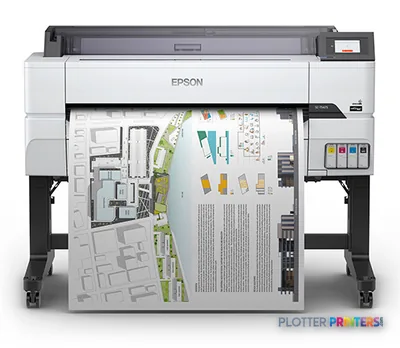 Epson SureColor T5475 36-in PlotterSCT5475SR36"2400 dpiWi-FiView details
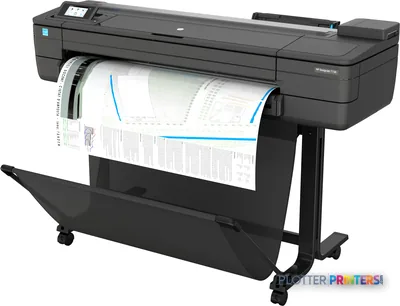 HP DesignJet T730 36-in PrinterF9A29D#B1936"2400 dpiWi-FiView details
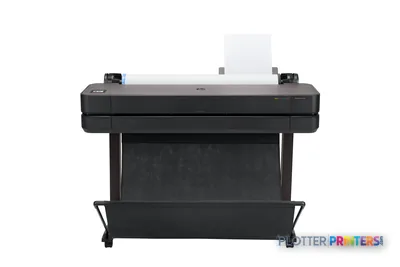 HP DesignJet T630 36-in Printer5HB11D36"2400 dpiWi-FiView details
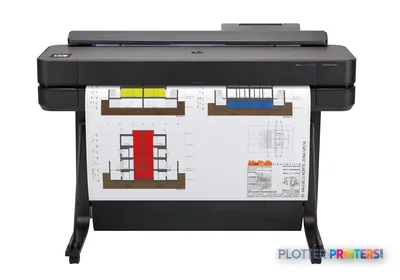 HP DesignJet T650 36-in Plotter5HB10D36"2400 dpiWi-FiView details
Free U.S. shipping on printersKlarna & Affirm at checkoutTalk to a person: 980-536-0080

An engineering plotter is a wide-format inkjet built for the highest-volume end of CAD printing: long, linework-dominant drawing sets, half-size check cycles, and the revision churn that comes with civil, structural and MEP work. If you want the short answer: this is a production tool, not a showpiece. Reliability and cost-per-sheet beat every glossy spec on the box.
Here’s the difference from a general CAD plotter. A design studio prints a few sheets a week. An engineering department prints a check set every afternoon, a submission set every milestone, and a fresh half-size run every time a discipline touches the model. The machine that suits a two-person firm falls behind by the third bid deadline in a busy month.
So the questions change. Not “how good does one D-size sheet look?” but “how many 30-sheet sets can I push before lunch, and what does each sheet cost on economy bond?” Not “can it do color?” but “does the color stay readable at 11×17?”
Most engineering work lives on plain bond in monochrome or light color coding, printed at 24-inch (ARCH D / ISO A1) or 36-inch (ARCH E / ISO A0) widths, with half-size 11×17 and 12×18 check sets running constantly. Below, the ranked picks show what’s currently worth buying. The rest of this page is how to read them for engineering volume — starting with your discipline.
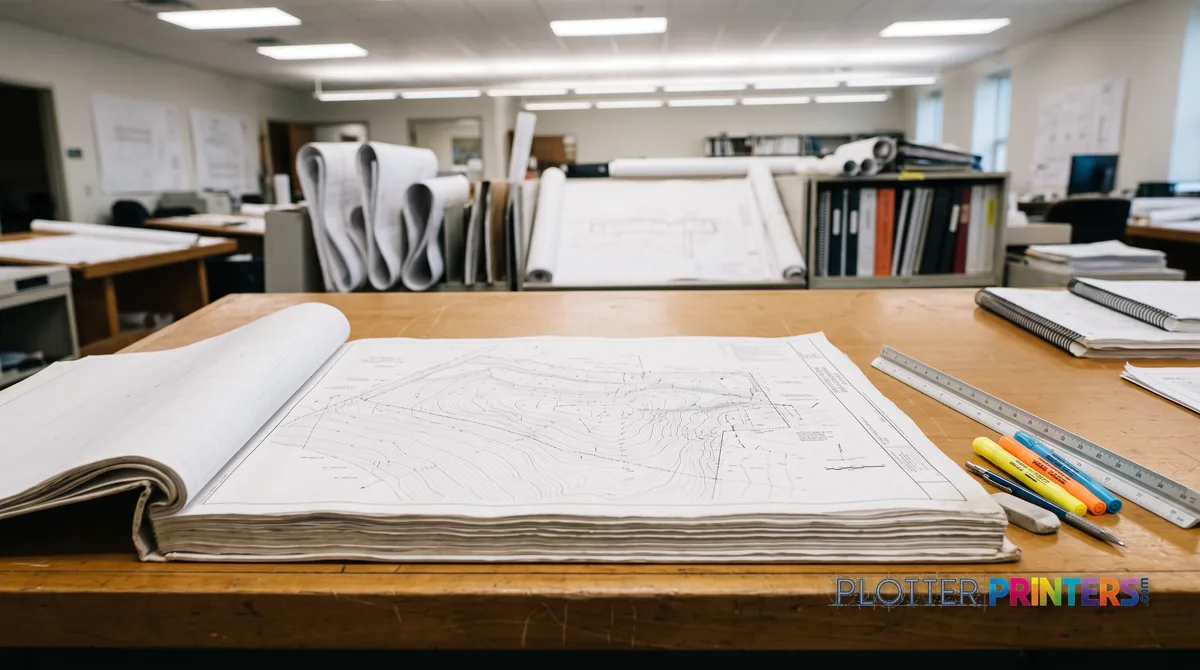
Three disciplines, one machine room
SHT 02 · PLOTTERPRINTERS ANALYST DESKStructural and civil sets aren’t three sheets. They’re forty. A full submission runs plan, profile, detail, schedule, and general-notes sheets, and every one gets printed again the moment a revision cloud lands. That’s the reality the machine has to survive.
Think about a normal Tuesday. Morning: a half-size check set so the PM can redline over coffee. Afternoon: incorporate the markups, plot the changed sheets, reissue. Milestone week: a full-size record set plus copies for the client and the reviewing agency. None of that is glamorous. All of it is volume.
This is where the purchase logic flips away from design work. Line quality still matters — a hairline that fills in on plain bond makes a dimension unreadable, and an unreadable dimension is a change order. But once a machine clears that bar, the deciding factors are throughput and running cost. How fast does the first sheet land in the tray? How many sheets before a roll swap? Does the driver hold together when you send a 60-sheet batch plot at 4:40 p.m.?
A machine that prints one beautiful sheet in ninety seconds is fine for a boutique. It’s a bottleneck for an engineering department pushing hundreds of sheets a week. The three disciplines below each stress the machine differently — but they all stress it hard.
Bottom line: buy for the deadline week, not the quiet one.
Civil & site engineering
Long plan-and-profile sheets, grading plans with heavy area fills, and exhibit boards for public review. Sheet lengths run long and often hit ARCH E1 (30×42) or E (36×48), so 36-inch width is usually non-negotiable. Exhibit work is the one civil case where graphics-class color pays off; everyday plans don’t.
Structural engineering
Dense linework, detail sheets, and schedule tables where a filled-in hairline turns a dimension into a change order. Line quality on plain bond is the priority, and revision churn is relentless. A fast, reliable monochrome workflow at ARCH D/E matters more than color here.
MEP & coordination
Multi-trade color coding that has to stay distinct at half-size and after a site copier gets hold of it. A 4-to-6 ink technical machine handles the palette fine — choose high-contrast trade colors, not pretty ones. Coordination sets reprint constantly, so throughput counts double.
The grids rank the class live — scores, prices and stock stay current on their own.
The ranked engineering machines
SHT 03 · PLOTTERPRINTERS ANALYST DESK36-inch CAD class — the set runners
Ranked live by our spec-graded scoring.
Wide-format MFPs — markup round-trips
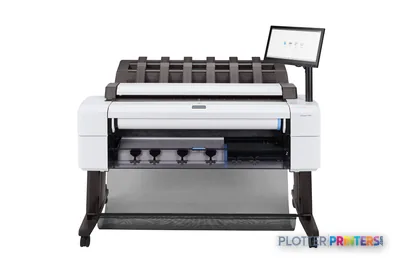 HP DesignJet T2600dr 36-in PostScript MFP — Plus Edition (Build Connected)3EK15D36"2400 dpiView details
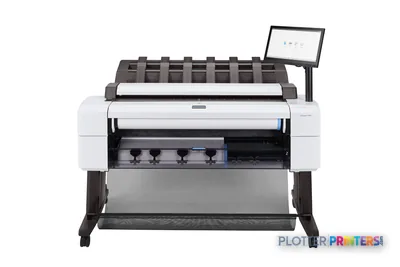 HP DesignJet T2600dr 36-in PostScript MFP — Plus Edition (Build Connected)3EK15P36"2400 dpiView details
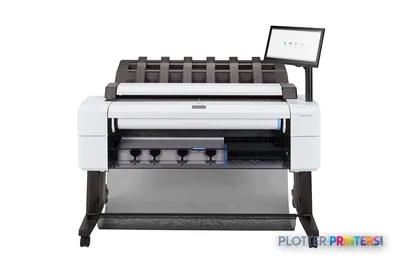 HP DesignJet T2600dr 36-in PostScript Multifunction Printer (Plus Edition)3EK15W36"2400 dpiView details
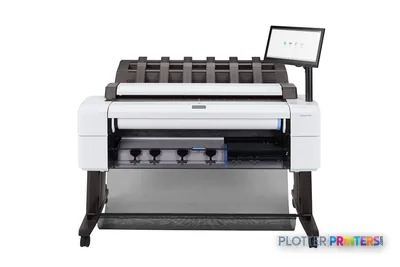 HP DesignJet T2600dr 36-in PostScript Multifunction Printer3EK15F#B1936"2400 dpiScanView details
PageWide class — when volume goes industrial
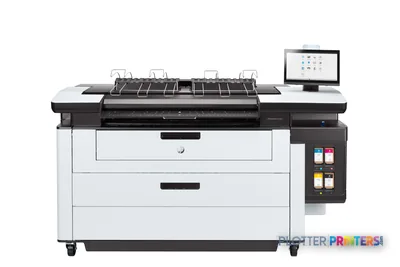 HP PageWide XL Pro 5200 MFP Printer4VW19A40"1200 dpiScanView details
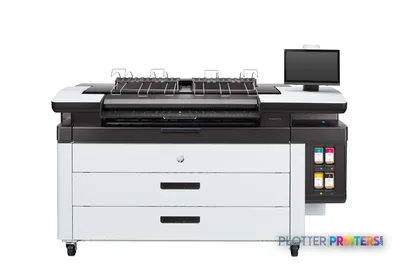 HP PageWide XL 3950 40-in Multifunction Printer with Top Stacker86Z37F40"1200 dpiView details
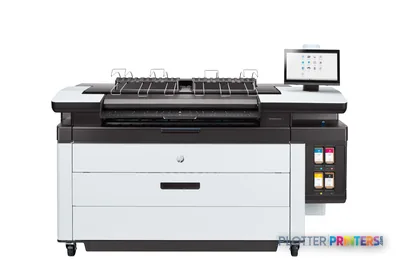 HP PageWide XL 5200 Printer4VW16A40"1200 dpiScanView details
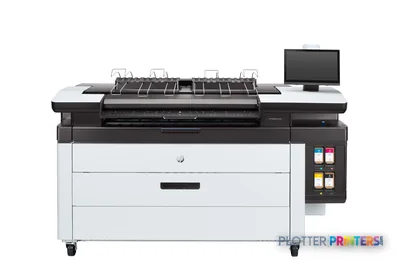 HP PageWide XL 4250 40-in Multifunction Printer with Top Stacker86Z39A40"1200 dpiScanView details
Set economics: what actually decides the purchase
SHT 04 · PLOTTERPRINTERS ANALYST DESKEngineering printing splits into three buckets, and each one has different economics.
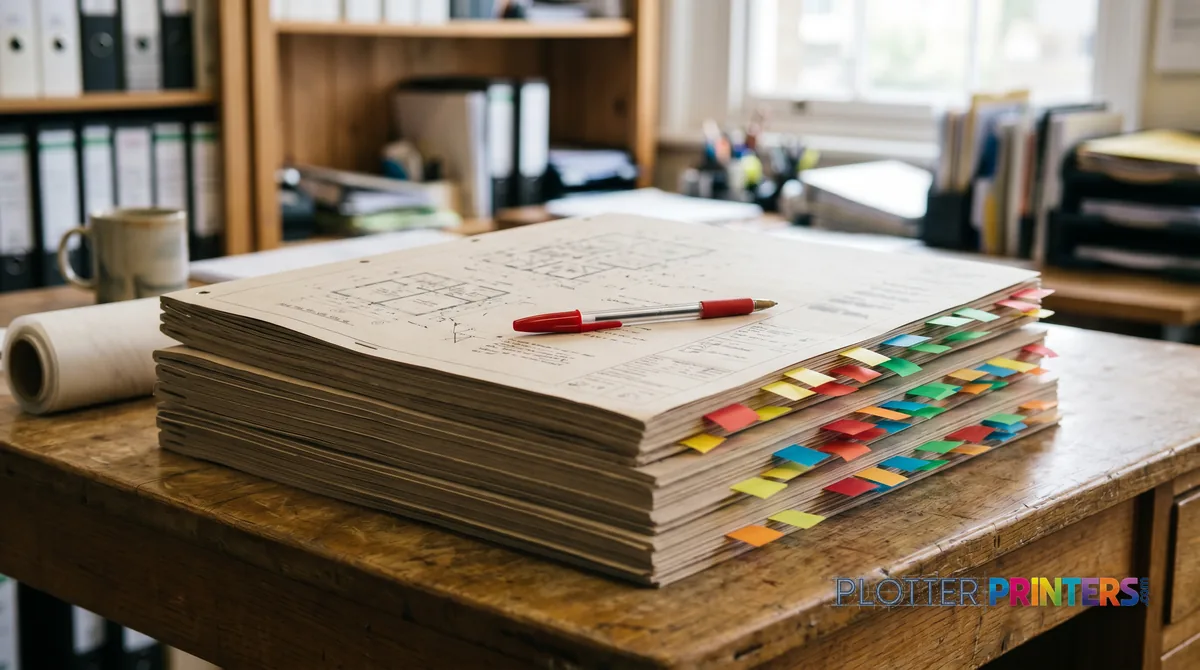
First, half-size check sets. These are the workhorse of the office — 11×17 or 12×18, printed on the cheapest bond that still reads, run daily, sometimes hourly during a deadline push. Nobody archives them. They exist to be marked up and thrown away. Cost-per-sheet is everything here, because you print thousands of them.
Second, full-size record and submission sets. ARCH D or E, ARCH E1 (30×42) for many civil jurisdictions, printed on better bond, sometimes on pigment ink for durability. Lower volume, higher stakes. These go to the reviewing agency and into the permanent record, so line quality and dimensional consistency matter more than raw speed.
Third, revision churn. Every time a wall moves or a utility shifts, the affected sheets reprint — and in a coordinated project, that ripples across disciplines. This is the volume most firms underestimate when they’re deciding whether to buy or keep outsourcing.
Here’s the honest math. Outsourcing a check set means a courier run and a markup you pay on every sheet, plus the schedule risk of not having it in-house at 4:45 p.m. Owning means capital and consumables, but the marginal sheet is cheap and immediate. The crossover point depends entirely on your volume.
Rather than guess, use the ROI calculator on this page. Feed it your real weekly sheet count — half-size and full-size separately — and it turns that into an own-versus-outsource answer with your own numbers, not mine.
Bottom line: count your check sets honestly; that’s where the payback hides.
Run your own numbers
Own the volume or send it out?
Sheets, sets, outsource rates, staff time — payback math computed in your browser, no email required.
ROI calculator
What does outsourcing plots really cost you?
Enter your own numbers — quotes from your print shop, your staff time, the lease quote you’re weighing. We just do the math.
Get a real machine + lease quote → See which machines earn the spend →
Hardware that survives engineering volume
SHT 05 · PLOTTERPRINTERS ANALYST DESKStart with the roll. A 24-inch class machine handles ARCH D and ISO A1 — plenty for structural detail sheets and half-size runs. A 36-inch class machine adds full ARCH E and A0, which civil site plans and large structural framing sheets need. For most engineering departments, 36-inch is the default. You grow into the width; you rarely regret buying it.
Then the roll swap. The failure mode isn’t the machine breaking — it’s the machine stopping mid-batch because a roll ran out at sheet 38 of 60, at 4:50 p.m., with nobody watching. Look for quick-load spindles and, if your volume justifies it, dual-roll. Dual-roll means two media loaded at once: economy bond for check sets and a heavier stock or vellum for submissions, with the machine switching automatically. That’s not a luxury feature for a busy office. It’s the difference between one attended run and three interrupted ones.
Stacking matters more than people expect. A machine that dumps 60 sheets on the floor in random order has just handed someone twenty minutes of collation. An output tray or stacker that keeps a set in order and face-down earns its keep every deadline.
Driver stability under batch plots is the quiet dealbreaker. Send a large multi-sheet plot from Bluebeam or the CAD app and watch whether the queue holds. Some drivers choke, drop sheets, or reorder mixed sizes. Ask about it specifically.
When does PageWide or production class make sense? When you’re printing hundreds of sheets a day and a roll-fed inkjet can’t keep pace — repro-shop duty, or a large infrastructure department running continuous submissions. If a single machine is your bottleneck for hours each day, that’s the crossover signal.
Bottom line: capacity and swap speed decide who goes home on time.
Color that has to stay readable, not pretty
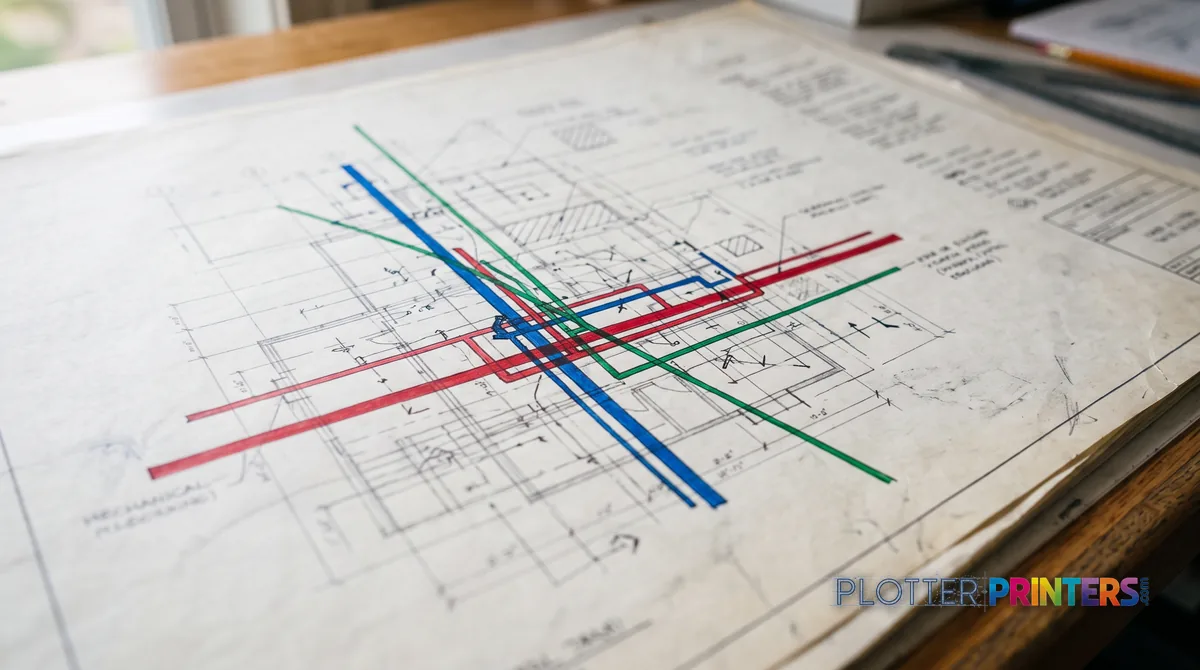
Engineering color isn’t presentation color. It’s legibility color. MEP coordination drawings assign each trade a hue — mechanical one color, electrical another, plumbing a third — and the whole point is that a reviewer can tell them apart at a glance. Utility maps use published color codes. Civil grading exhibits use area fills to show cut and fill. None of it needs a wide photographic gamut. It needs to survive half-sizing and a site copier.
That last part is the test. A subtle pastel that reads fine at full size can collapse into mud at 11×17, or vanish when someone runs it through a job-site copy machine. Choose palettes with real contrast, and print on a technical machine that holds line and edge on plain bond.
For most engineering work, a 4-to-6 ink technical machine is enough — pigment ink for durability, crisp linework, clean color coding. You don’t need a graphics-class machine to color-code a riser diagram.
The honest exception is exhibit-heavy civil work: public-hearing boards, aerial overlays, GIS base maps with continuous-tone imagery. That’s where gamut and gradients start to matter, and a photo/graphics-class machine earns its place. Know which kind of work you actually do before you pay for ink channels you’ll never use.
Bottom line: buy for readable, not radiant.
Your questions, answered
SHT 07 · PLOTTERPRINTERS ANALYST DESKWhat's the difference between an engineering plotter and a CAD plotter?
They’re the same hardware family — the difference is duty. “CAD plotter” is the general term for a wide-format inkjet that prints drawings. “Engineering plotter” describes the same machines used at the high-volume end: long sets, daily check cycles, heavy revision churn. When people search for an engineering plotter they’re usually signaling that reliability and cost-per-sheet matter more than one-off print beauty, which points toward 36-inch class or higher-duty machines.
Do I need a 24-inch or 36-inch machine for engineering work?
For most engineering departments, 36-inch. It prints full ARCH E (36×48) and ISO A0, which civil site plans and large structural sheets need, and it still handles ARCH D and half-size runs. A 24-inch machine tops out at ARCH D (24×36) and A1 — fine for a small structural office that never plots full E-size, but limiting the day a big site plan lands. You grow into 36-inch width; you rarely regret buying it.
Should I buy a plotter or keep outsourcing my sets?
It comes down to your real weekly sheet count, especially half-size check sets — those are the volume most firms undercount. Outsourcing adds a per-sheet markup and courier time, plus the risk of not having a set in-house at 4:45 p.m. Owning costs capital and consumables but makes the marginal sheet cheap and immediate. Use the ROI calculator on this page with your actual numbers; it turns your volume into an own-versus-outsource answer.
Is dual-roll worth it for an engineering office?
If you print both cheap check sets and higher-quality submissions, yes. Dual-roll loads two media at once — economy bond and a heavier stock or vellum, say — and switches automatically. The value shows up during batch plots: one attended run instead of stopping to change rolls mid-set. For a low-volume office that only prints one media type, single-roll is enough and simpler.
Do I need color for engineering drawings?
Often just for legibility, not decoration. MEP coordination and utility maps use color to separate trades and systems, and a 4-to-6 ink technical machine handles that fine on plain bond. The palette needs contrast that survives half-sizing and site copiers, not photographic gamut. The exception is exhibit-heavy civil work — public-hearing boards, aerial overlays — where a graphics-class machine’s gradient handling actually earns its keep.
Why does cost-per-sheet matter so much in engineering printing?
Because of volume. Design studios print a few sheets a week; engineering departments print thousands of half-size check sets that get marked up and thrown away. On that volume, a small per-sheet difference in ink and media compounds fast. A machine that prints one gorgeous sheet cheaply-per-hour but expensively-per-page loses to a plainer machine with low consumable cost when you’re running hundreds of sheets during a deadline push.
What is a half-size check set?
It’s a full drawing set printed at half scale — ARCH D (24×36) drops to 12×18, and 11×17 is the common tabloid equivalent — on cheap bond so engineers and PMs can redline it and toss it. Check sets are the daily workhorse of an engineering office, printed constantly during active projects. Because you print so many, their per-sheet cost dominates your consumable budget more than full-size submissions do.
When should an engineering firm move up to production-class?
When a single roll-fed inkjet becomes a daily bottleneck — hundreds of sheets a day, or a machine tied up for hours pushing continuous submissions. PageWide and production-class machines use stationary print-bars built for that duty. The crossover signal is simple: if people are waiting on the plotter for a meaningful part of every day, the math starts favoring production hardware. See our production-class hub for where that line sits.
Does the print driver really matter for engineering volume?
More than most buyers expect. The quiet failure mode is a driver that chokes on a large batch plot — dropping sheets, reordering mixed sizes, or stalling the queue when you send 60 sheets from Bluebeam at 4:40 p.m. Line quality gets all the attention in reviews, but driver stability under batch load is what determines whether your deadline set actually comes out complete and in order.
Pigment or dye ink for engineering drawings?
Pigment is the AEC default. It’s water and UV resistant and archival, which matters for record sets and drawings that see job-site handling. Dye ink costs less per print and looks livelier, but it fades — fine for internal check sets you’ll discard, less so for anything that goes into the permanent record or into the field. Most technical engineering machines run pigment for exactly this reason.
The bottom line
SHT 08 · PLOTTERPRINTERS ANALYST DESK- Engineering printing is the volume end of CAD — buy for throughput and cost-per-sheet, not for one pretty sheet.
- Half-size check sets are the hidden volume; count them honestly and run them on the cheapest bond that stays readable.
- 36-inch class is the default for most engineering departments; it covers ARCH E and A0 without giving up half-size runs.
- Dual-roll and quick swaps decide whether a deadline batch finishes attended or stalls at sheet 38 of 60.
- Engineering color is legibility color — a 4-to-6 ink technical machine suffices except for exhibit-heavy civil work.
- Use the ROI calculator with your real weekly sheet count to settle the own-versus-outsource question with your own numbers.
Speccing for an engineering office?
Tell us the disciplines and monthly sheet counts — we'll shortlist honestly.