Expert analysis
What you should know
Key takeaways
- A full 44-inch printer that reaches A0 (33" x 47") output on rolls up to 0.059" thick.
- The five-ink UltraChrome XD set includes both Matte and Photo black, covering bond and glossy media without an ink swap.
- Wired only — Gigabit Ethernet and USB Type-A, no Wi-Fi — which suits a shared print-room deployment.
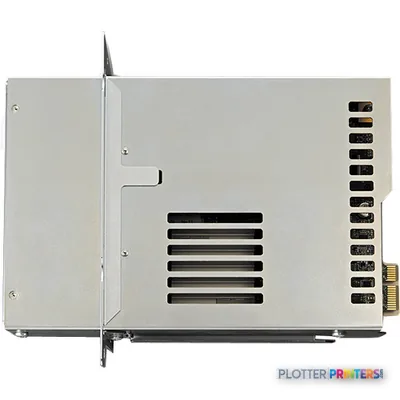
- Handles HP-GL/2, HP-RTL and ESC/P-R natively; PostScript 3 requires the add-on expansion unit.
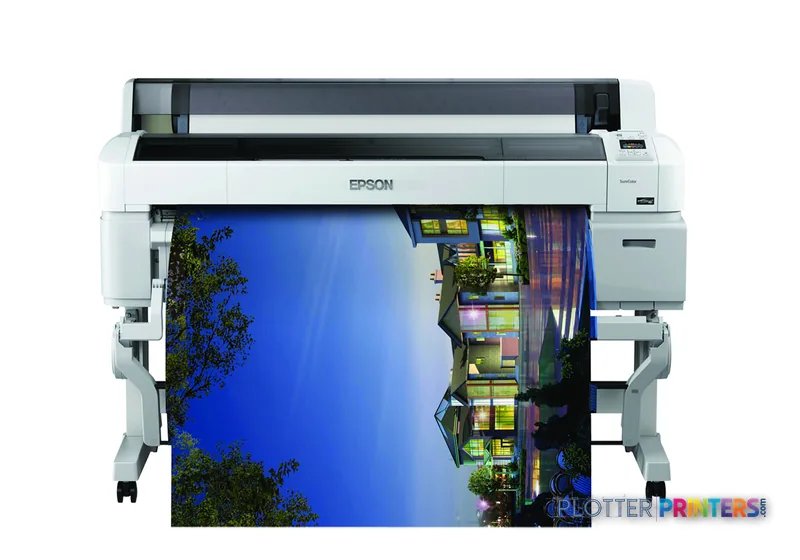
- At ~293 lbs and over five feet wide, it is a print-room device, not a desk-side unit.
- For two-media-at-once workflows, a dual-roll sibling such as the T7270DR or T7770DR reduces operator reloads.
Most wide-format plotters in an AEC office earn their keep on bond paper, moving bid sets and permit drawings by the ream. The Epson SureColor SC-T7200D asks a slightly different question: what if the same 44-inch machine that stacks your black-and-white plans could also render a rendering — a dusk elevation where the shadows hold their depth instead of blocking up into flat gray?
That is the pitch of the dual-black, five-ink design. Whether it fits you depends less on the color and more on how your day actually runs.
A0 (33" x 47" (841 x 1189 mm))Maximum print sizeFull-size D and E plans
2880 x 1440 DPIMaximum resolution
0.003"–0.059" (0.08 – 1.5 mm)Media thicknessBond through canvas and film
1024 MBInternal memoryFor rasterizing large PDF plan sets
Five inks, and why the second black matters
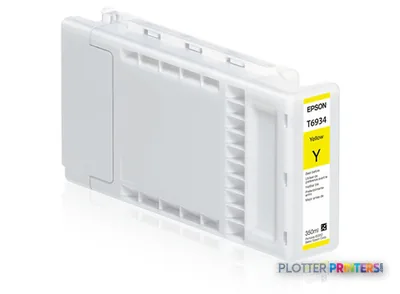
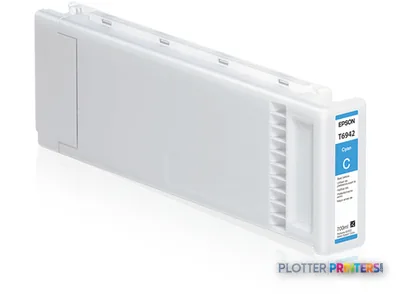
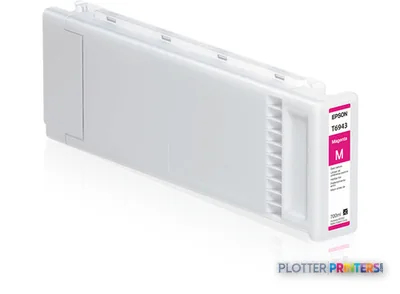
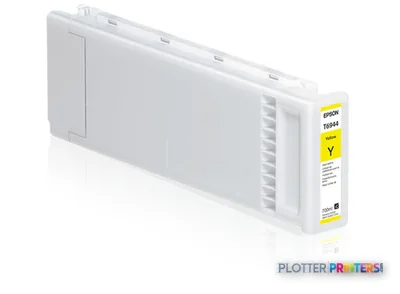
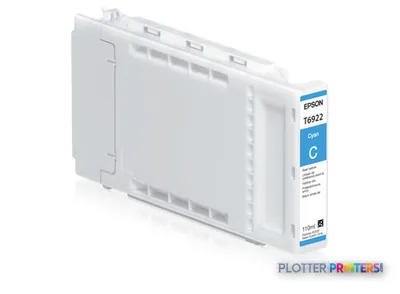
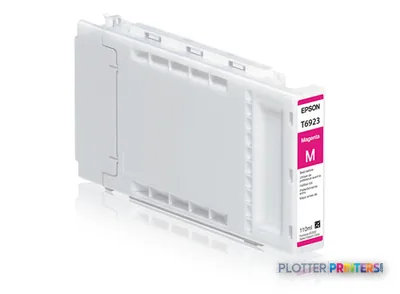
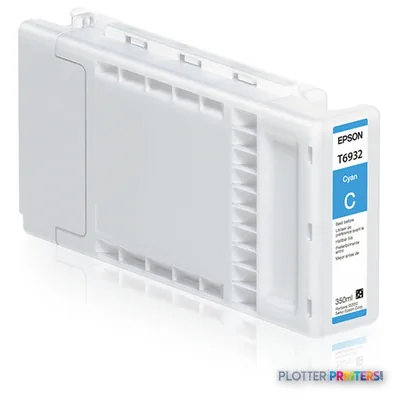
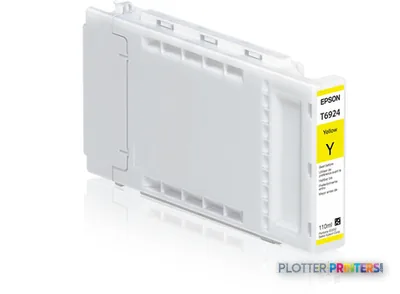
The SC-T7200D carries Cyan, Magenta, Yellow, and two blacks — Matte black and Photo black — in the Epson UltraChrome XD pigment set. The dual-black arrangement is the practical heart of this machine. Matte black gives dense, non-reflective line work on uncoated bond, the paper your plan sets actually print on. Photo black takes over for glossy and satin stock, where a matte black would look weak and muddy in the deep tones.
I want to be careful here: we have not run this printer through our own gamut measurement, so I won’t quote a color-volume figure I can’t stand behind. What I can say from the ink architecture is that the second black is what lets a saturated color proof and a legible line drawing come off the same roll without a compromise in either — the cyan edge on a coordination overlay stays crisp, and a photographic site render keeps its shadow detail. That’s the sensory promise; verify it on your own media before you commit a presentation workflow to it.
The plan-room realities
On the mechanical side, this is a full 44-inch machine that reaches A0 output and accepts media from 0.003″ to 0.059″ thick — thin bond at one end, canvas and vinyl at the other. Connectivity is wired: Gigabit Ethernet and a USB Type-A port, no Wi-Fi, which most IT departments will read as a feature rather than a limitation on a shared production device. The driver stack speaks HP-GL/2 and HP-RTL alongside ESC/P-R, so legacy CAD output lands cleanly; native PostScript 3 is available through the Epson Adobe PostScript 3 Expansion Unit if your Bluebeam and InDesign submissions need it.
At 50 dB while printing and roughly 293 lbs on its stand, it is a print-room citizen, not a desk-side unit. Budget floor space accordingly — it stands over five feet wide.
Where it sits in its own family
If your work is monochrome-dominant and you rarely touch a render, the color engine here is capacity you’ll pay to maintain but seldom use — a single-configuration model like the Epson T7200 covers that ground with less to manage. If, on the other hand, you routinely juggle two media types or want to keep a roll of bond and a roll of coated stock loaded at once, step toward a dual-roll design such as the Epson SureColor T7270DR 44-in or the newer Epson T7770DR 44-in, both of which spare an operator the reload dance. It’s worth a side-by-side: compare the SC-T7200D against the T7270DR dual-roll before you decide how much unattended running you actually need.
The read
The SC-T7200D is a sensible pick for a mid-sized multidisciplinary practice that produces both engineering plans and the occasional presentation board and doesn’t want two machines to do it. The dual-black UltraChrome XD set is the reason to choose it over a mono-focused sibling; the single-roll design and its footprint are the reasons a high-volume shop chasing unattended runs should look at a dual-roll model like the T7270DR instead. Match the machine to how often you actually print in color — and, since we haven’t measured its gamut ourselves, print your own test render on your own stock before you trust it with a client deliverable.