Expert analysis
What you should know

By Ray KowalczykSenior Technical Editor — CAD & Technical Printing Key takeaways
- The Canon TC-20 prints color technical documents up to A1 (23" x 33"), making it relevant to modest-format AEC output.
- Its 38.1" (968 mm) width and 70.5 lbs (32 kg) weight suit offices where floor space is tight.
- Roll media and cut sheets support flexible day-to-day plotting, but the 4.33" (11 cm) maximum roll diameter limits unattended production expectations.
- Ethernet LAN, Wi-Fi, and USB connectivity provide several deployment options for office and site workflows.
- Teams regularly issuing wider drawings should evaluate a 36-inch model such as the Canon imagePROGRAF 700 36-in instead.
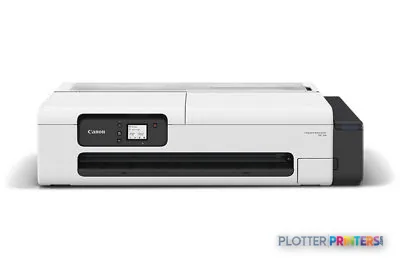
At 4:45 p.m., a small office usually needs one thing from a plotter: a readable plan, map, or coordination sheet without turning the print corner into a production department. The Canon TC-20 is a compact color inkjet for that job. It handles roll media and cut sheets, prints up to A1 (23″ x 33″), and fits where a larger floor-standing device would be hard to justify.
For architects, engineers, surveyors, and site teams producing occasional drawings, marked-up PDFs, GIS maps, and color-coded coordination sheets, its appeal is straightforward. It is small, networkable, and designed for ordinary office conditions. The catch is equally straightforward: A1 is its ceiling. A deadline does not care that your printer is tidy if the sheet will not fit.
A1 (23" x 33" (594 x 841 mm))Maximum print sizeSets the practical sheet-size limit for plans and graphics.
2400 x 1200 DPIMaximum resolutionUseful headroom for fine CAD linework and small annotation.
38.1" (968 mm)FootprintWidth matters when the plotter is sharing office space with people.
70.5 lbs (32 kg)WeightMore manageable than a full production-floor device, but still plan its location properly.
Where the TC-20 fits in an AEC office
The TC-20 makes sense when wide-format printing is part of the workflow, not the workflow itself. Think design studios issuing review sheets, a civil team plotting a map for a meeting, or a superintendent needing a current drawing set at the trailer. Color is available through black, cyan, magenta, and yellow inks, which gives coordination drawings and marked-up plans more practical value than monochrome-only output.
Its Ethernet LAN, Wi-Fi, USB Type-A, and USB Type-B connectivity give IT more than one way to place it in a small-office setup. The printer uses SGRaster, so buyers should confirm their actual CAD-to-PDF-to-print path during a demonstration. A clean PDF workflow is usually the sensible test. Bring a real drawing with dense hatches, tiny notes, and a few redlines. Pretty demo files have never missed a permit deadline; real ones have.
Bottom line: This is a sensible office plotter when A1 output covers the drawings your team actually issues.
Media, detail, and the limits that matter
The machine accepts coated paper, plain paper, and roll media, plus cut sheets. Supported media thickness is 0.003″–0.011″ (0.08 – 0.28 mm), so this is a paper-focused technical printer rather than a catch-all board and specialty-media device. The maximum roll diameter is 4.33″ (11 cm). That is worth noticing before assuming it can sit unattended through a heavy issue cycle.
The stated 2400 x 1200 DPI resolution is relevant to fine linework, but resolution alone does not settle AEC readability. Driver behavior, source PDF quality, paper choice, and whether hairlines survive the workflow all matter. Ask to print small structural notes, utility callouts, revision clouds, and grayscale screened areas. Those are the files that expose trouble before the bid-room door closes.
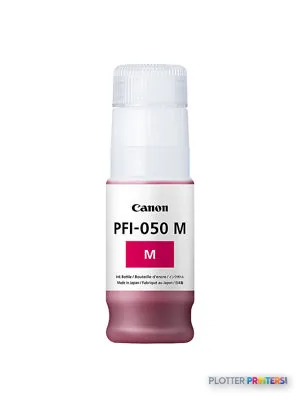
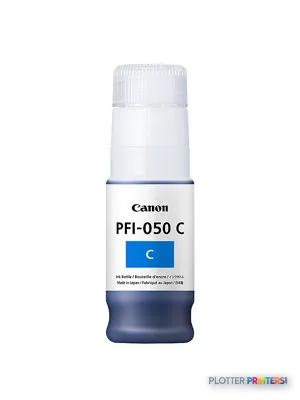
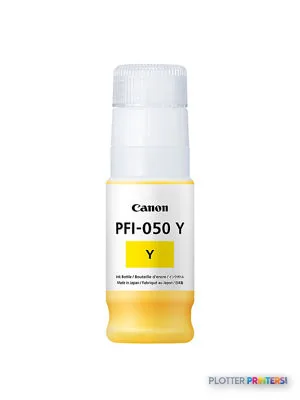
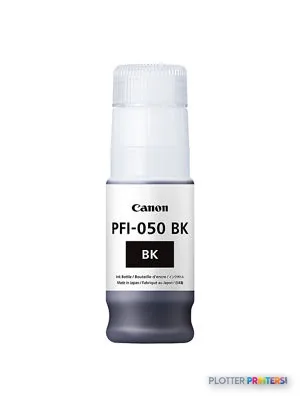
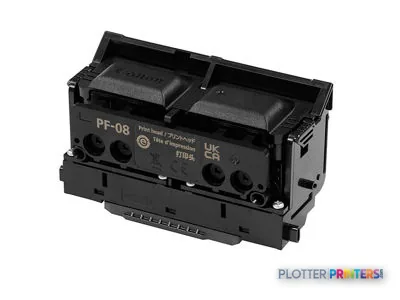
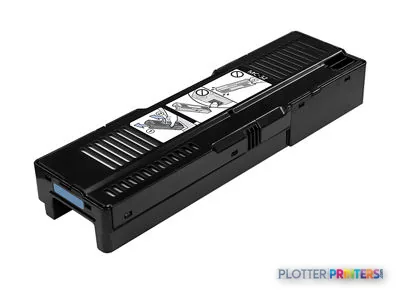
The Canon PFI-050 ink family and Canon MC-32 maintenance cartridge are the named supply items to include in a support and replenishment plan. Keep that conversation practical: who orders them, where they are stored, and what happens when the last black cartridge disappears on a Friday.
Bottom line: It is built around routine technical paper output, not high-volume unattended plan-set production.
Step up when sheet size or production pressure changes
Do not buy the TC-20 for a workload that has already outgrown it. If your standard deliverable includes wider drawings, the 36-inch Canon imagePROGRAF 700 36-in is the more relevant in-family direction because it provides a larger output format. The Canon TZ-32000 36-in also sits in a larger 36-inch category for operations that need broader-format capability.
For a compact alternative in the same general width class, compare the Epson F501 24-in with the same files, paper, network conditions, and support terms. Do not reduce the decision to resolution figures. Both the output tray and the person feeding it deserve a vote. Use our side-by-side comparison to keep the check disciplined.
Bottom line: The TC-20 suits modest A1 work; wider sheets and recurring issue runs point toward a larger machine.
The read
The Canon TC-20 is a practical fit for small AEC teams that need occasional color technical output up to A1, have limited space, and can live with a modest roll size. Its network options, cut-sheet support, and compact dimensions are useful in a studio, branch office, or site environment. It is not the right tool for larger plan sizes or a print room that lives on deadline-driven batches. Match it to the work on Tuesday afternoon, not the work you hope to have someday. Bottom line: Buy it for compact A1 plotting; move up when width and production demands become routine.