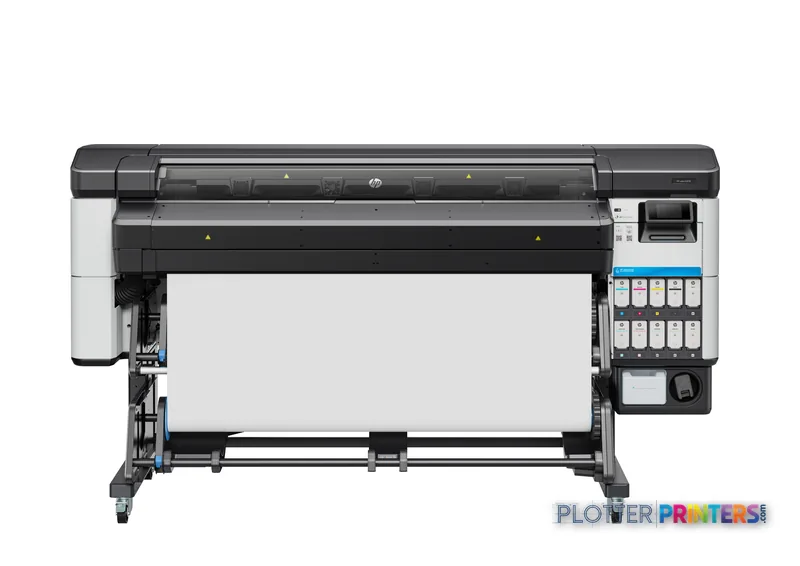
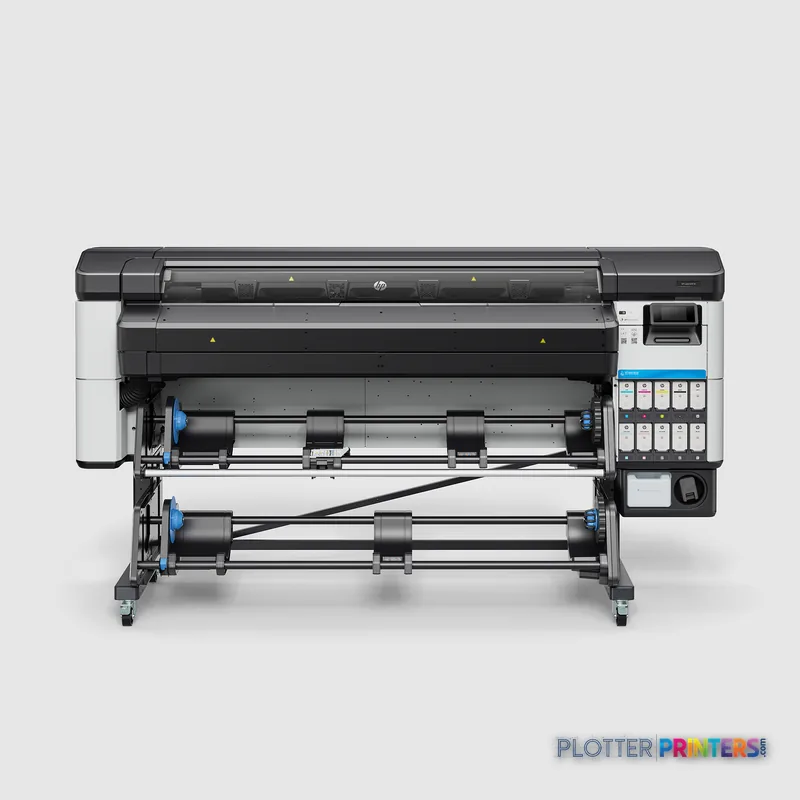
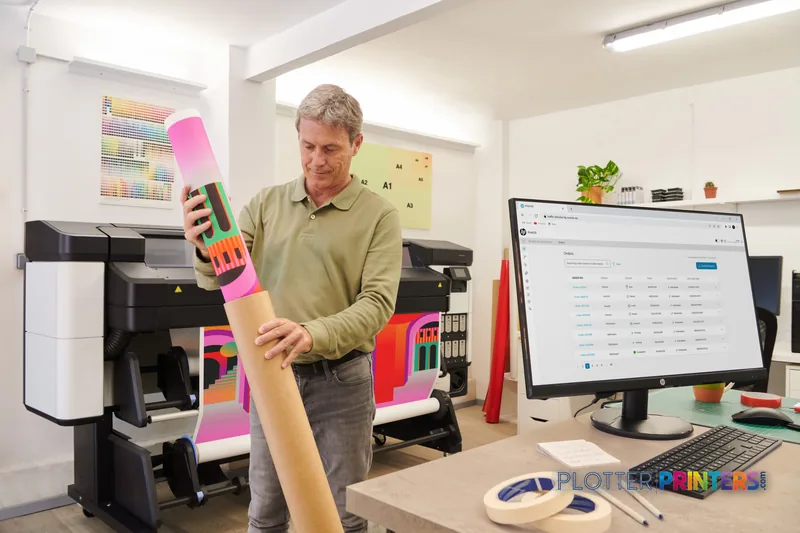
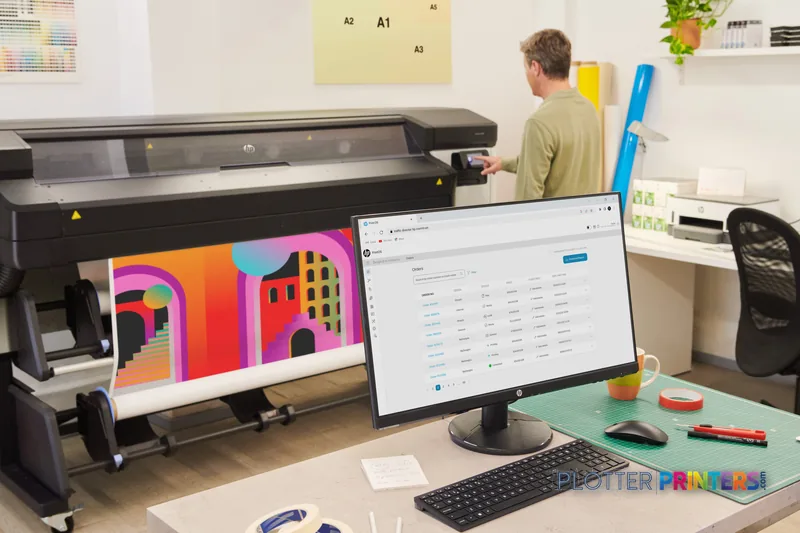
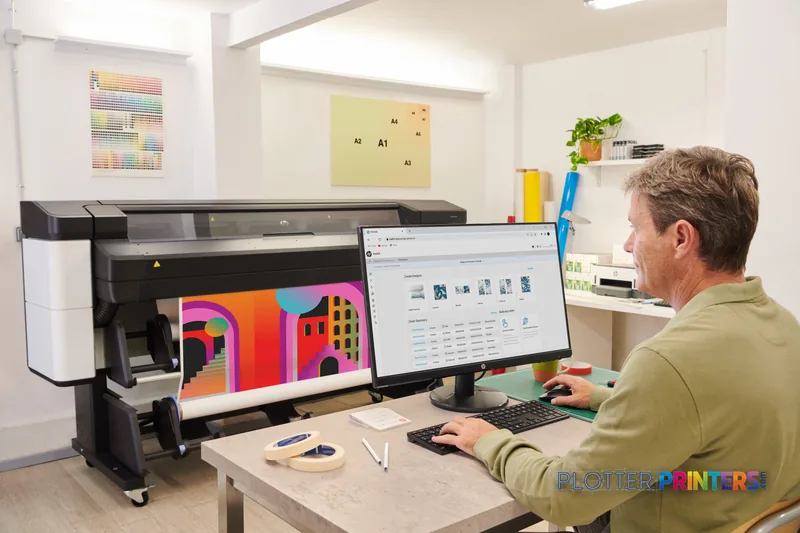
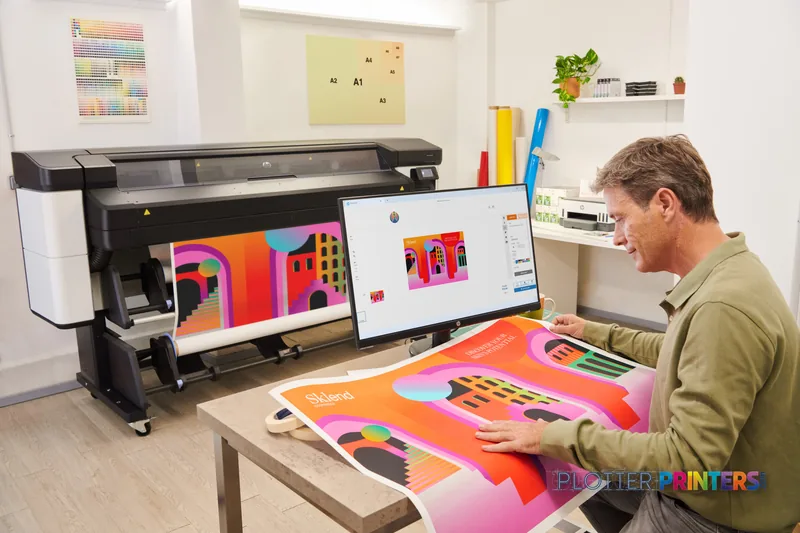
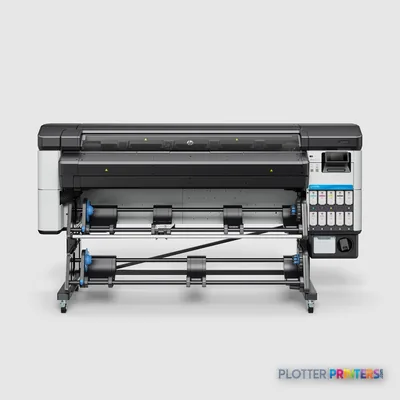
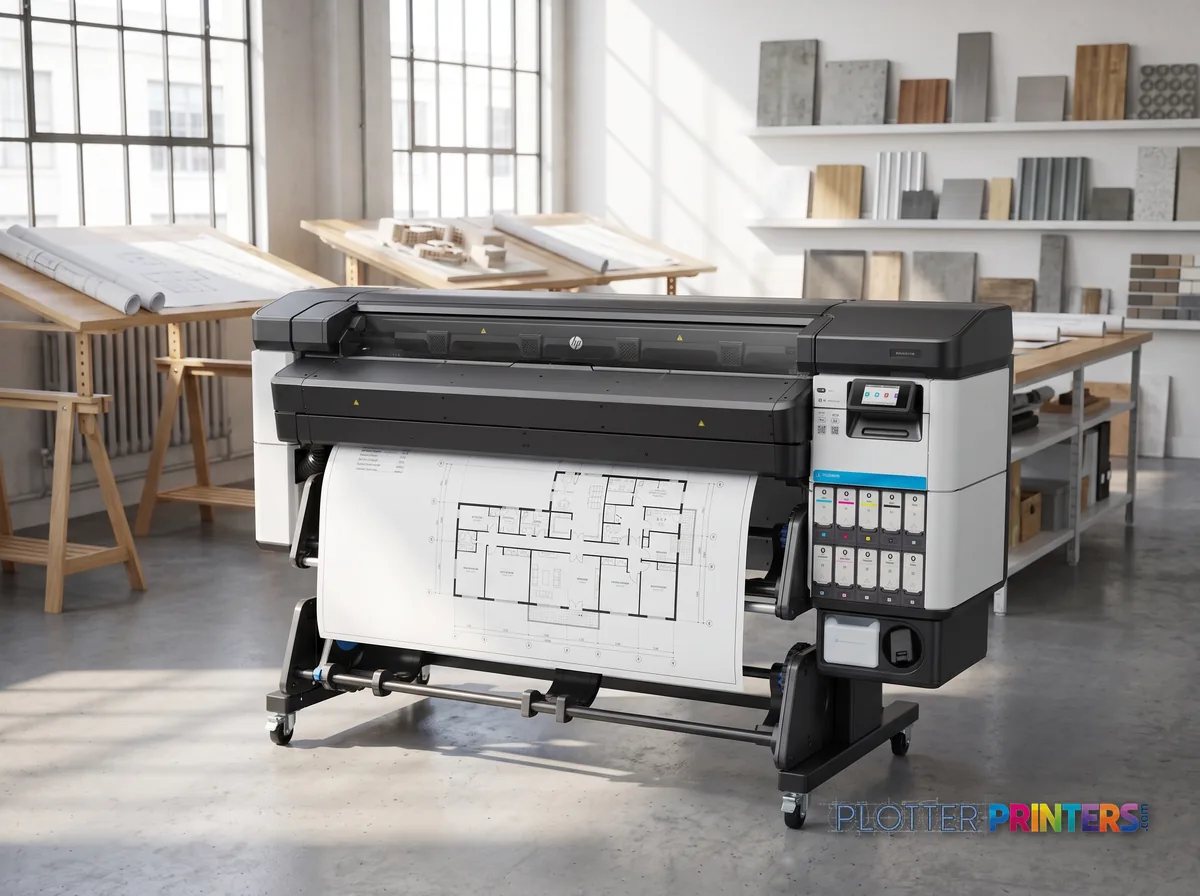
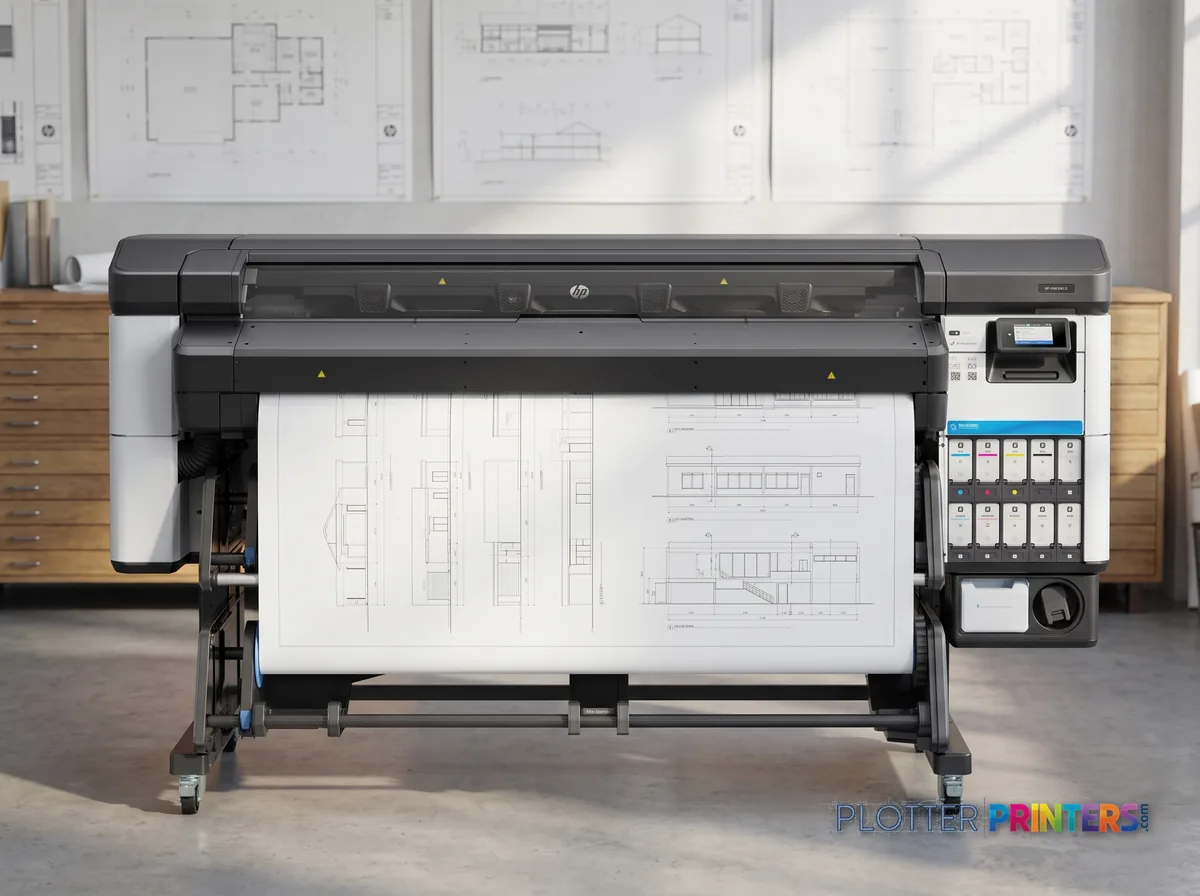
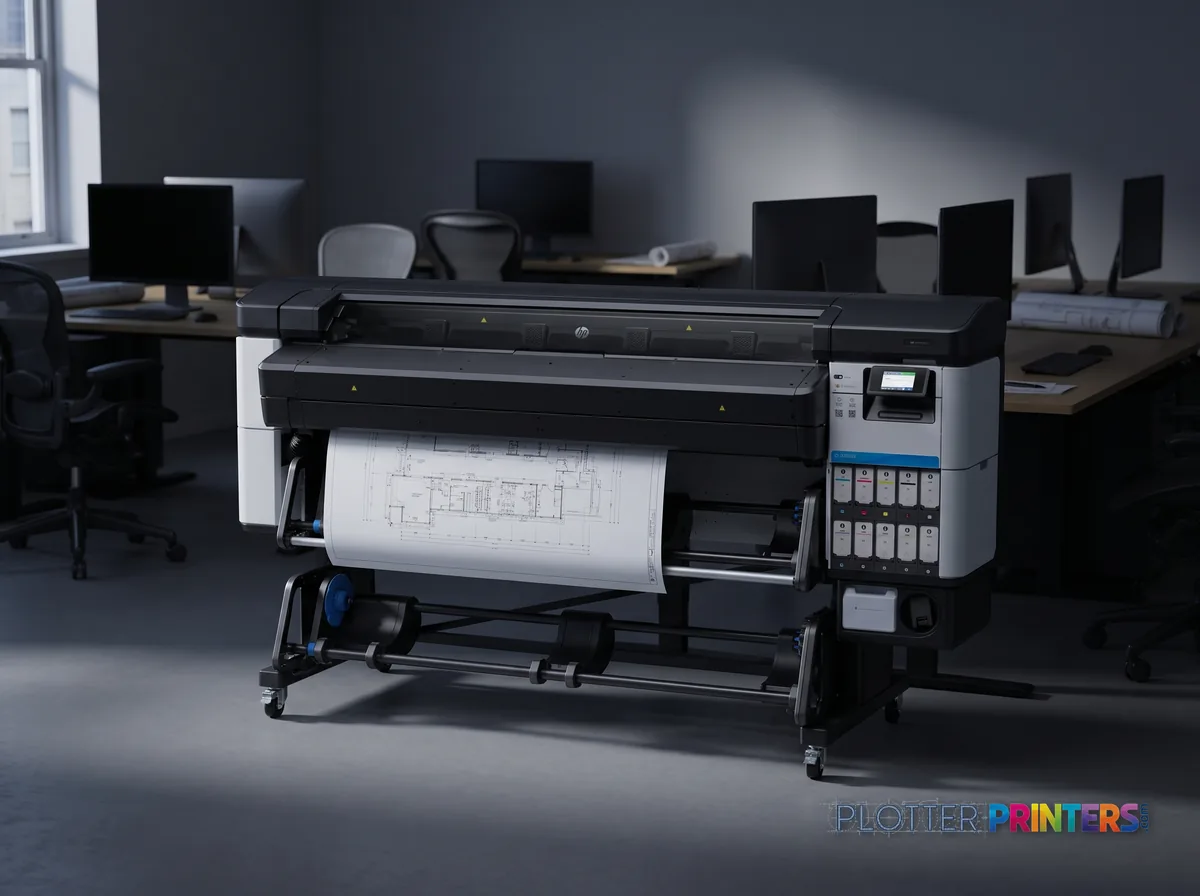
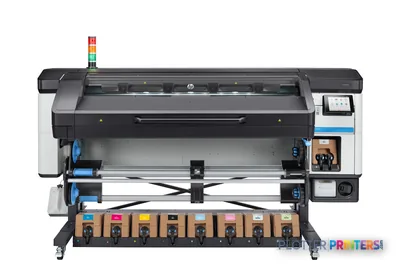
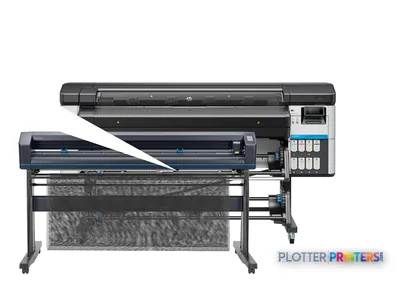
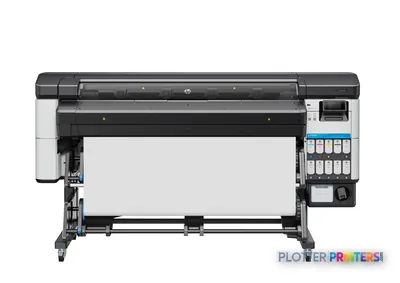
Let’s be clear about what this is. The HP Latex 630 W is a water-based Latex printer running white plus color inks at 1200 x 1200 DPI. It’s a display-and-signage machine that happens to live near AEC work — think presentation boards, wayfinding, jobsite banners, backlit renderings and durable color graphics that need to survive weather and handling.
Rated 377 ft²/hour
The white ink is the tell. If your shop produces window graphics, clear-film overlays or dark-substrate mounts, the white channel earns its keep. HP rates it at 35 m²/h in normal 2-pass mode. Real throughput depends on cure and media handling, not the datasheet number.
Presentation and marketing boards for client and RFP submissions
Durable jobsite and event banners on banner media
Window, backlit and dark-substrate graphics needing white ink
Reprographics shops adding a color-display service line
1,200 dpi maximum resolution
Where it’s the wrong tool: everyday monochrome bid sets, permit sets and redlines. It has no scanner, no copier and isn’t built for plain-bond plan production. For high-volume CAD plotting on 47-in rolls, an aqueous engineering plotter like the Epson SureColor T7270DR fits better. Need color renderings but not white ink? The Epson SC-P8500D covers that graphics work without the Latex cure workflow. Small shop? Only buy the white channel if you’ll actually sell it.
HP Latex (water-based), 9 ink channels including White
Max resolution
1200 x 1200 DPI
Rated speed
HP rates 35 m²/h in normal 2-pass mode
Ink / printhead
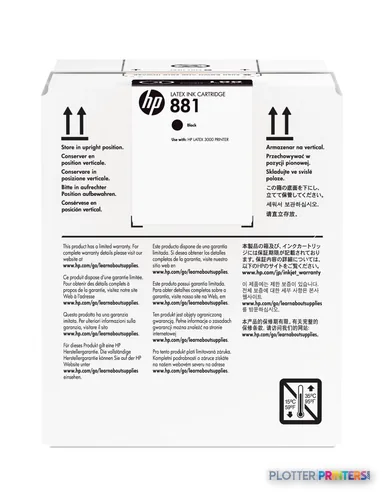
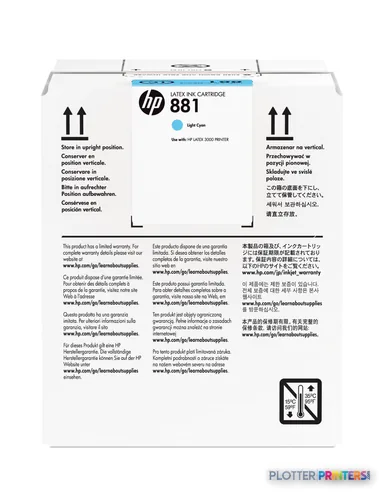
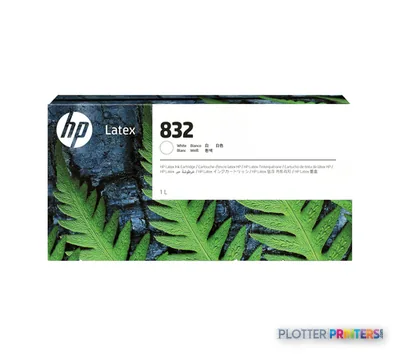
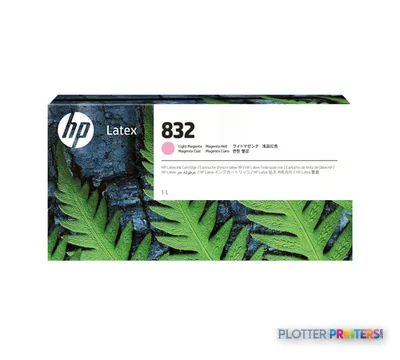
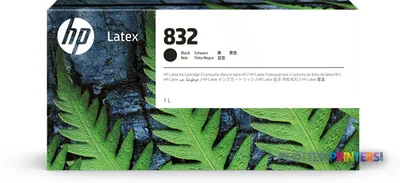
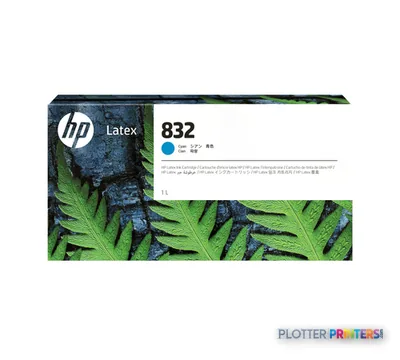
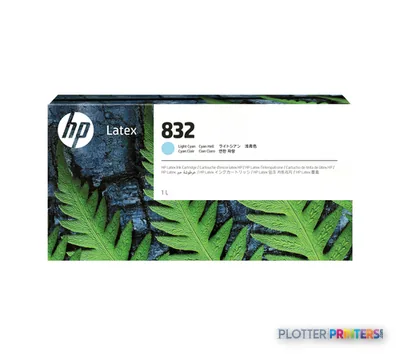
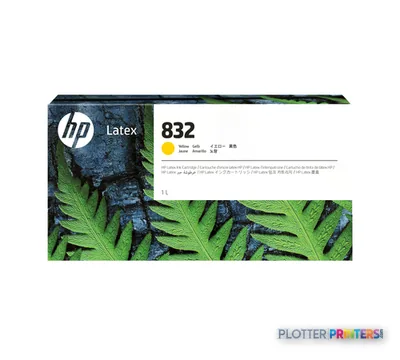
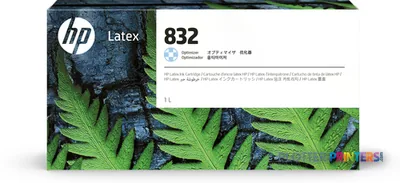
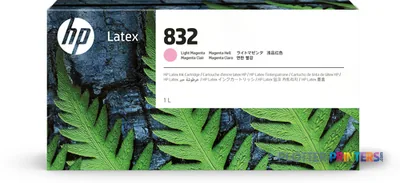
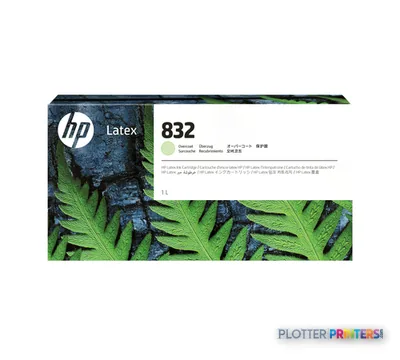
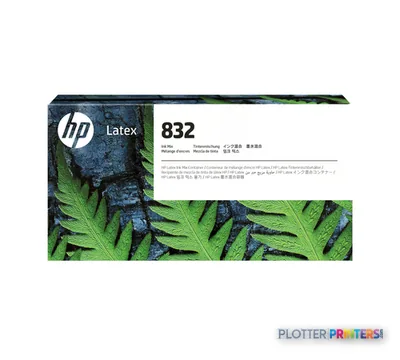
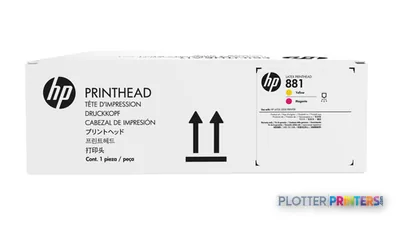
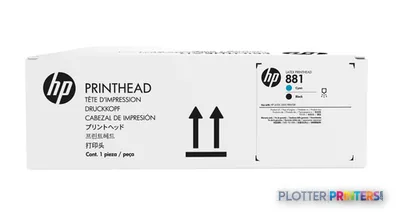
HP 832 and HP 833 inks; HP 836 printheads
Media handling
Roll banner media plus cut sheets; take-up reel and edge holders included
Connectivity
Gigabit Ethernet (1000 Mbit/s)
Software in box
HP SAi Flexi RIP Basic; HP PrintOS (PrintBeat, Configuration Center, HP Learn)
Footprint / weight
102.5" W x 33.2" D x 55.3" H; 520.3 lbs
Ideal for: color display graphics, banners, window/backlit and dark-substrate work needing white ink. Not the tool for: monochrome bid/permit sets, redlines, scanning/copying, or high-volume plain-bond CAD plotting.
A Latex color graphics printer with a white ink channel — not a monochrome plan plotter.
No scanning or copying; it does not serve bid-set or as-built line-work workflows.
HP rates it at 35 m²/h in 2-pass; Latex ink cures dry, so output is ready to laminate or mount immediately.
Nine-cartridge ink set using HP 832 and HP 833 inks on HP 836 printheads; take-up reel and RIP ship in the box.
At 102.5 inches wide and 520 pounds, it needs dedicated floor space, not a corner.
ENERGY STAR rated, with 2.5 W sleep and 0.25 W off-state draw.
Let’s be honest about what the HP Latex 630 W is and isn’t. This is a wide-format Latex printer built for color-heavy graphics work — banner media, presentation output, the kind of jobs where a white ink channel earns its keep. It is not a plan plotter. It doesn’t scan, it doesn’t copy, and it isn’t going to be your bid-set workhorse.
So why does it show up on an AEC evaluation list? Because plenty of firms run two workflows under one roof: the everyday check plots, and the presentation-grade color — renderings, site graphics, marketing boards, wayfinding for a project handover. The 630 W is aimed squarely at that second bucket.
35 m²/hPrint speed (normal quality)HP rates this at 2-pass
1200 x 1200 DPIMaximum resolution
9Ink cartridgesincluding a white channel
102.5" (2603 mm)Footprint widthclear the wall for it
What actually feeds it, dries it, and cuts it
Latex is the story here. The ink cures with heat as it prints, so output comes off the machine dry and handleable — no off-gassing wait before you laminate or mount. For a shop that turns presentation boards on a deadline, that drying behavior is the throughput win, not the rated speed.
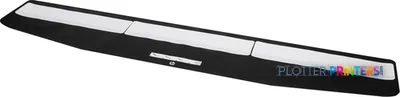
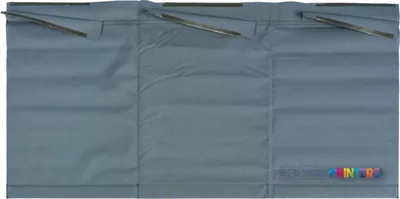
The box ships with a take-up reel, edge holders, a printer stand, and the HP SAi Flexi RIP Basic software. It runs the HP 832 and HP 833 inks across a nine-cartridge set with a white channel, on HP 836 printheads. Media is banner-class and cut sheets. If you’re producing volume, the HP Latex 54 Plus and HP Latex 64 Plus Cutting Solution cutters and the HP Latex Substrate Saver Accessory are where your finishing time gets bought back.
Where the 630 W's rated 2-pass throughput lands against the wide-format graphics class — read it as a graphics-speed picture, not a plan-plotting one.
Estimate plot times for your own run lengths.
One set: – · Weekly plotting time: –
Computed from the manufacturer's rated 377 ft²/h. Real-world mixed sets run slower — treat this as a best case for comparing machines, not a promise.
Where it fits — and where it doesn't
Convert the rated pace into shop reality: at 35 m²/h in 2-pass, a wall of presentation boards is a comfortable single-shift job, and it comes off dry. The white ink lets you print on clear and colored media — useful for window graphics, backlit site signage, and coordination overlays that need opacity. The 1200 x 1200 DPI resolution is plenty for graphics and legible text on boards.
Firms that produce their own presentation and marketing graphics — renderings, boards, wayfinding.
Project handover signage and site graphics where white ink and dry-out-of-machine media matter.
Small shops that want one color graphics device rather than outsourcing every board.
ENERGY STAR-conscious offices — it idles at 2.5 W in sleep, 0.25 W off.
Where it’s the wrong tool: if your daily reality is monochrome check sets, permit sets and as-builts on bond, this isn’t it — no scanning, no copying, and it’s built for graphics, not high-volume line work. A dedicated aqueous plotter serves that better. If you need a straight color technical plotter with dual-roll unattended running, look at something like the Epson SureColor T7270DR 44-in instead. And note the 102.5-inch width and 520-pound weight — this needs real floor space and a stand, not a corner.
Take-up reel and edge holders ship in the box — the media-handling kit that turns a printer into a production line.
The Latex 630 W is a color graphics machine that happens to live in AEC shops doing double duty. If you produce your own presentation boards, site signage and marketing graphics — and you value output that’s dry and mountable straight off the platen — it earns its floor space. If you’re buying a plan plotter, buy a plan plotter. Ask three things before you sign: what media path do you actually run, who cuts and finishes it, and who fixes the machine locally when a printhead goes down.
Graded on a curve against the best published spec among the wide-format printers we track — 100 = the catalog’s gold standard for that metric (the finest droplet, the longest warranty, the fastest rated speed actually on the market). Every input is a manufacturer-published spec; rated speeds are shown as listed, not timed throughput. Ticks mark the class best. How we grade →
Category leaders best latex signage printers, by dimension
Universal HP 836 Latex Printheadsmanufacturer-verified
Ink cartridge capacity
1Lmanufacturer-verified
Internal storage
10 GBmanufacturer-verified
Connectivity
Ethernet LAN, 1000 Mbit/s
Dimensions (W × D × H)
102.5″ × 33.2″ × 55.3″ (2603 × 844 × 1405 mm)
Weight
520.3 lbs (236 kg)
manufacturer-verified = checked against the manufacturer’s official datasheet, not aggregator data. Everything else is standards-body / catalog data we consider reliable.
Specifications
Full technical detail
Print technologyLatex printing
Max resolution1200 x 1200 DPI
ColorColor
ConnectivityEthernet (Gigabit LAN)
Use caseGraphics / Production
Printing
Color
Yes
Printing colors
Black, Light magenta, Yellow, White
Print technology
Latex printing
Resolution color
1200 x 1200 DPI
Maximum resolution
1200 x 1200 DPI
Number of print cartridges
9
Performance
Certification
Compliant with Class A requirements, including: USA (FCC rules), Canada (ICES), EU (EMC Directive), Australia and New Zealand (RCM), Japan (VCCI), Korea (KCC), China (CCC)
Product color
Black, White
Country of origin
Singapore, Malaysia
Paper handling
Cut sheets
Yes
Paper tray media types
Banner
Ports & interfaces
Ethernet LAN
Yes
Ethernet LAN data rates
1000 Mbit/s
Technical details
Box contents
HP Latex 630 W Printer, printheads, maintenance cartridge, printer stand, take-up reel, user maintenance kit, edge holders, quick reference guide, HP SAi Flexi RIP Basic Software, documentation software, power cords, air purgers, 2-in spindle adaptor
Weight & dimensions
Depth
33.2" (844 mm)
Width
102.5" (2603 mm)
Height
55.3" (1405 mm)
Weight
520.3 lbs (236 kg)
Power
AC input frequency
50/60 Hz
Power consumption (off)
0.25 W
Power consumption (sleep)
2.5 W
Operational conditions
Operating temperature (T-T)
15 – 30 °C
Other features
UNSPSC-code
43212104
Electromagnetic compatibility
Compliant with Class A requirements, including: USA (FCC rules), Canada (ICES), EU (EMC Directive), Australia and New Zealand (RCM), Japan (VCCI), Korea (KCC), China (CCC)
Copying
Copying
No
Scanning
Scanning
No
Packaging data
Package depth
44.5" (1130 mm)
Package width
110.2" (2800 mm)
Package height
50" (1271 mm)
Package weight
778.2 lbs (353 kg)
Bundled software
HP PrintOS (PrintBeat, Configuration Center, HP Learn). Explore PrintOS premium software solutions within Professional Print Service Plans.
Sustainability
Sustainability certificates
ENERGY STAR
Carbon footprint
Total carbon footprint (kg of CO2e)
3180
Carbon emissions, logistics (kg of CO2e)
148
Carbon emissions, end-of-life (kg of CO2e)
95
Carbon emissions, manufacturing (kg of CO2e)
2394
Total carbon emissions, w/o use phase (kg of CO2e)
Can the Latex 630 W print my construction drawings and bid sets?
It can print on cut sheets and banner media, but it’s built for color graphics, not high-volume monochrome line work. It has no scanning or copying, so it won’t replace a dedicated plan plotter for permit sets, as-builts or redlines.
What's the white ink for?
The nine-cartridge set includes a white channel, which lets you print opaque graphics on clear and colored media — useful for window graphics, backlit site signage and overlays that need to read on non-white substrates.
How fast is it in real production terms?
HP rates it at 35 m²/h in 2-pass normal quality. Because Latex ink cures with heat, output comes off dry and mountable, so your real gain is skipping the dry-time wait before lamination or takedown — not just the rated pace.
Which inks and printheads does it use?
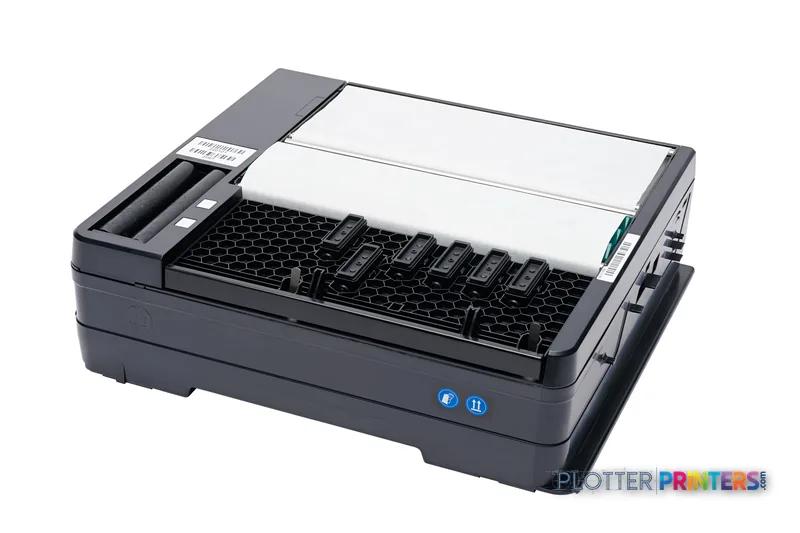
It runs HP 832 and HP 833 inks across nine cartridges on HP 836 printheads, with the HP Latex 600/700/800 Series User Maintenance Kit for upkeep.
How much space does it need?
It’s 102.5 inches wide, 33.2 inches deep and weighs about 520 pounds on its stand. Plan for a dedicated wall and real floor clearance, plus room to work the take-up reel.
If I mainly need a color technical plotter, what should I look at instead?
A dual-roll aqueous plotter is a better fit for unattended color line work — the Epson SureColor T7270DR 47-in is the kind of machine to cross-shop for that use case.