
Analyst Resource — No. 07
Plotter Prices, Explained by Class — With the Live Numbers Below
Plotter prices run from entry desktop machines to production systems — the live grids on this page carry today's numbers; the prose explains what moves them.
Shop these machines
Ranked live by our spec-graded scoring — prices & stock are current. Free U.S. shipping on every printer.
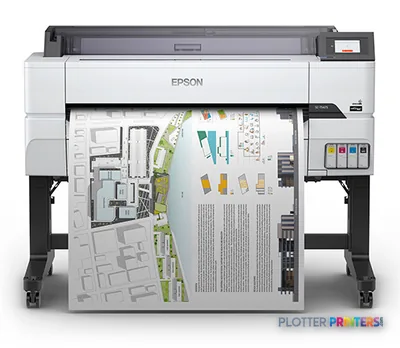 Epson SureColor T5475 36-in PlotterSCT5475SR36"2400 dpiWi-FiView details
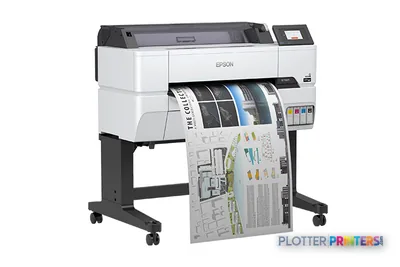 Epson SureColor T3475 24-in Wide-Format PrinterSCT3475SR24"2400 dpiWi-FiView details
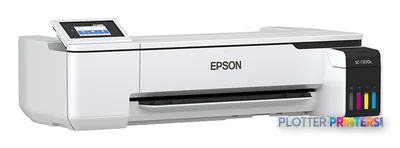 Epson SureColor T3170x 24-in Wireless PrinterSCT3170X24"2400 dpiView details
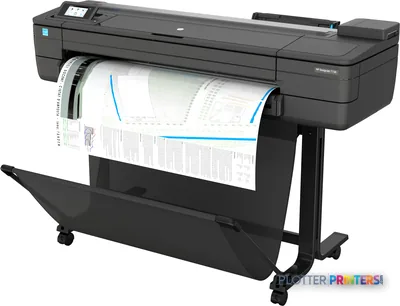 HP DesignJet T730 36-in PrinterF9A29D#B1936"2400 dpiWi-FiView details
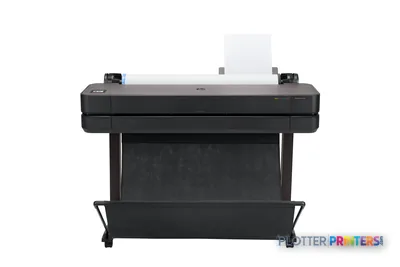 HP DesignJet T630 36-in Printer5HB11D36"2400 dpiWi-FiView details
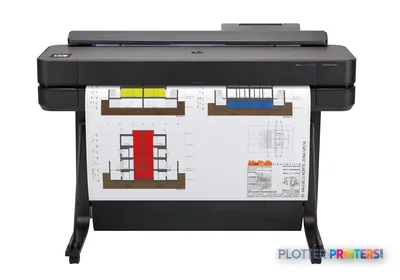 HP DesignJet T650 36-in Plotter5HB10D36"2400 dpiWi-FiView details
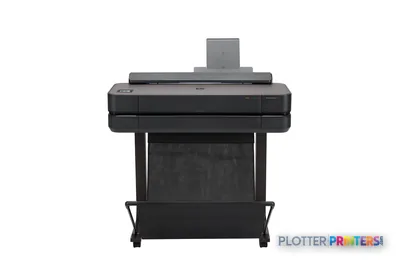 HP DesignJet T650 24-in Printer5HB08D24"2400 dpiWi-FiView details
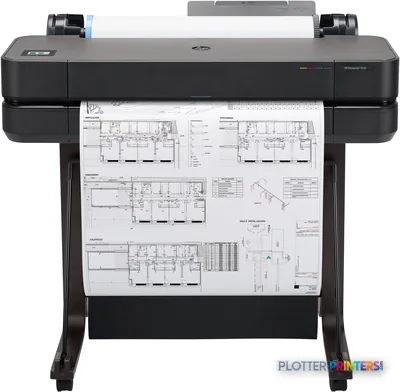 HP DesignJet T630 24-in Printer5HB09D24"2400 dpiWi-FiView details
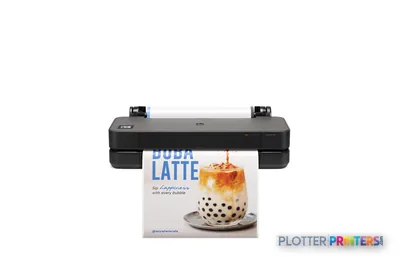 HP DesignJet T250 24-in Printer5HB06D24"2400 dpiWi-FiView details
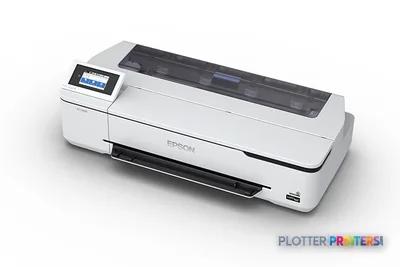 Epson SureColor T3170 24-in Wireless PrinterSCT3170SR24"2400 dpiWi-FiView details
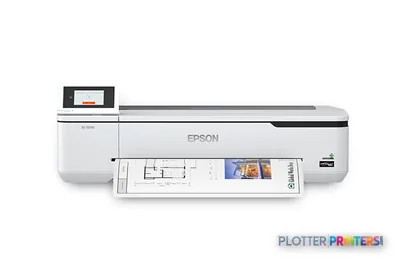 Epson SureColor T2170 24-in Wide-Format PrinterSCT2170SR24"2400 dpiWi-FiView details
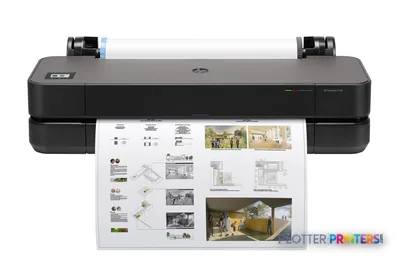 HP DesignJet T230 24-in Printer5HB07D24"2400 dpiWi-FiView details
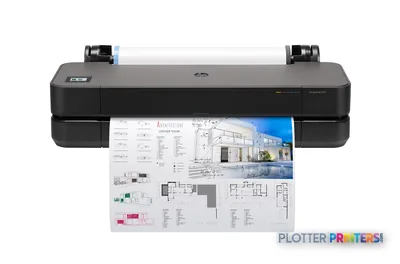 HP DesignJet T210 24-in Printer8AG32T24"2400 dpiWi-FiView details
Free U.S. shipping on printersKlarna & Affirm at checkoutTalk to a person: 980-536-0080

Plotter pricing runs across a wide ladder: an entry 24-inch desktop CAD machine sits at the bottom, a full production print-bar system sits at the top, and four things decide where any given machine lands — roll width, product family (technical linework vs color graphics vs production volume), duty cycle, and whether a scanner is bolted on. That is the whole answer, and the live grids below show what each class costs right now.
Here is the mechanic worth stating plainly, because it makes this page useful for longer than a week: the prices on this page render live from our store. We do not type dollar figures into the prose — they would be stale by the time you read them, and stale numbers are worse than no numbers. Instead, the ranked grids beside this text pull current pricing for every class, so the copy explains the why and the grids answer the how much.
So use them together. Read the drivers section below to understand which class fits the work you actually do — a two-person studio printing a permit set now and then has different economics than a repro shop running plan sets by the hundred. Then look at the live leaderboard for that class to see the current number. And remember the tag is only the entry fee; ink, media and operator minutes over three to five years usually cost more than the machine did. We will point you at the calculator for that. Money is minutes, and the plotter is one node in a workflow of files, people and deadlines.
The four things that move the price
SHT 02 · PLOTTERPRINTERS ANALYST DESKFour levers set the tag. Understand them and the grids below stop looking random.
1. Roll width. The jump from the 24-inch class to the 36-inch class is the single biggest step most AEC buyers make. A 24-inch machine handles A1/D-size and suits a small office that prints occasionally; a 36-inch machine swallows full ARCH E and A0, is usually floor-standing, and often carries a second roll. Dual-roll matters more than people expect — two media types loaded at once (bond for check prints, gloss for the client-facing sheet) means fewer trips to the machine and fewer wrong-media reprints.
2. Product family. A technical CAD machine tuned for crisp black linework on plain bond is priced differently from a graphics/photo machine built for color gamut and smooth gradients on coated stock. Presentation boards, renderings and GIS base maps push you toward the graphics class; bid sets and redlines do not.
3. Duty cycle. An office-duty plotter and a production/PageWide print-bar system can print the same drawing, but they are not the same purchase. Production machines are built to run plan sets by the hundred without complaint, and you pay for that engineering whether you use it or not. Buy the duty you have, not the one the brochure imagines.
4. Scanner. Adding an integrated scanner turns a printer into a wide-format MFP — print, scan and copy in one footprint. For plan rooms, as-built capture and field markups it earns its keep; for a print-only studio it is weight you carry without using. Ink chemistry rides alongside all four: pigment ink is the AEC default for its water and UV resistance, dye ink is cheaper and more vivid but fades.
Live prices, by class
SHT 03 · PLOTTERPRINTERS ANALYST DESK24-inch CAD class — the entry point
Prices render live from our store — always current, never a stale table.
36-inch CAD class — the workhorses
Wide-format MFPs — print, scan & copy
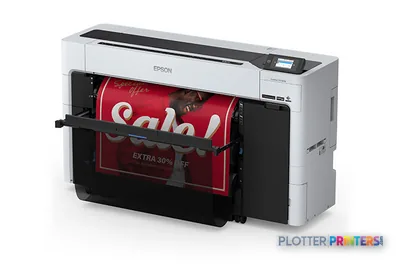 Epson SureColor T5770DM 36-in Multifunction PlotterSCT5770DM2400 dpiScanView details
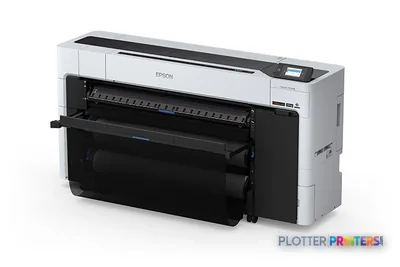 Epson SureColor T7770DM 44-in Wide-Format MFPSCT7770DM44"2400 dpiScanView details
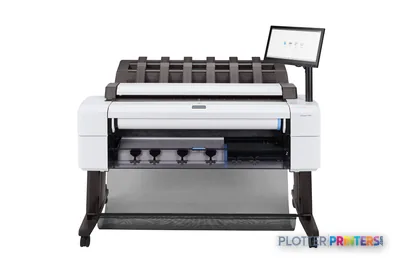 HP DesignJet T2600dr 36-in PostScript MFP — Plus Edition (Build Connected)3EK15D36"2400 dpiView details
 HP DesignJet T2600dr 36-in PostScript MFP — Plus Edition (Build Connected)3EK15P36"2400 dpiView details
Graphics class — color-first machines
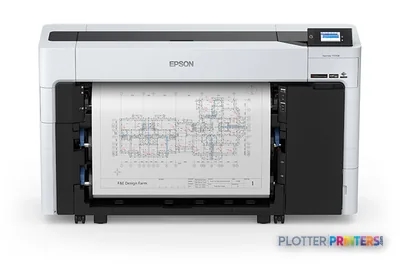 Epson SureColor T5770DR 36-in Dual-Roll PlotterSCT5770DR36"2400 dpiWi-FiView details
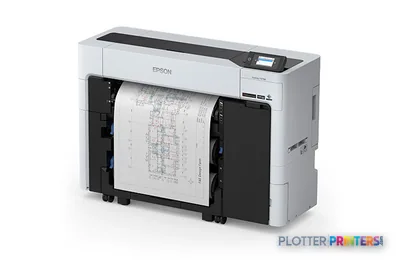 Epson SureColor T3770DR 24-in Wide-Format PrinterSCT3770DR24"2400 dpiWi-FiView details
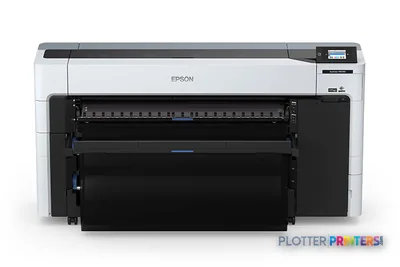 Epson SureColor P8570DR 44-in Dual-Roll PrinterSCP8570DR44"2400 dpiWi-FiView details
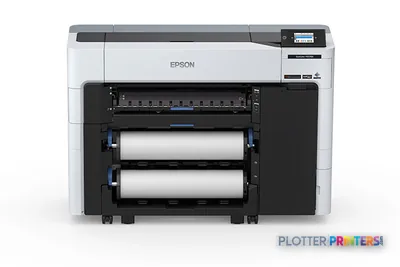 Epson SureColor P6570D Wide-Format PrinterSCP6570DR2400 dpiWi-FiView details
The sticker is the entry fee
SHT 04 · PLOTTERPRINTERS ANALYST DESKThe purchase price is the smallest number you will deal with over the life of the machine. Three costs compound behind it:
Ink. Coverage, ink chemistry and how often you print all feed consumption. A pigment machine running heavy color coverage burns through cartridges faster than a technical plotter laying thin black lines on bond.
Media. Plain bond is cheap; coated, gloss and photo stocks are not. Wrong-media reprints are pure waste — a reason dual-roll machines quietly save money.
Operator time. This is the cost nobody budgets. Minutes spent loading rolls, clearing jams, collating mixed-size sets, and standing at the scanner add up across a year. A plotter that saves thirty seconds a plot buys you nothing if the file spends four minutes finding it.
Do not guess at this. Run your own coverage, volume and media mix through the numbers on our cost-per-print page and its calculator before you commit to a class. Two machines with similar stickers can diverge sharply once you total three years of running cost — and that is the number that actually decides which was cheaper.
Ways to move the number
The list price is a starting point, not a fixed cost. Three levers change what you actually pay:
Financing reframes the question. A lease or payment plan trades one large capital outlay for a predictable monthly line item, which often matters more to a firm’s cash flow than the sticker does. It changes the shape of the spend, not the total — but for many buyers the shape is the decision. See payment options.
Trade-in credit lowers the net. An aging machine still on the floor may carry value against a new one, and applying that credit is the simplest way to bring the out-the-door number down. Details are on the trade-in page.
The quote beats the list. Here is the honest mechanic: on a configured machine — specific rolls, stand, scanner, service coverage — dealer pricing routinely beats published list. Manufacturer MAP rules mean the best number often can’t legally be printed on a web page, which is exactly why the sharpest price on a real configuration comes through a quote, not a shopping cart.
Where to go next
SHT 06 · PLOTTERPRINTERS ANALYST DESKMatch the link to your stage:
Researching. Still working out which class fits your drawings and volume? Start with the plotter buying guide.
Comparing. Narrowed to a class and want the spec-graded shortlist? See the ranked best-of list.
Buying. Know the machine and want the real configured number? Get a quote — that is where MAP-bound list pricing gives way to what you actually pay.
Your questions, answered
SHT 07 · PLOTTERPRINTERS ANALYST DESKHow much does a plotter cost?
It depends on the class, and the live grids on this page carry today’s numbers for each. Broadly, entry 24-inch CAD desktop machines sit at the bottom of the ladder, 36-inch AEC workhorses in the middle, and production print-bar systems at the top. Four factors move any single machine’s price: roll width, product family, duty cycle, and whether a scanner is integrated. Read the drivers section, then check the grid for your class.
Why don't you print prices in the text?
Because they change, and stale copy is worse than none. The grids beside this prose render live pricing straight from our store, so the numbers stay current while the writing explains what drives them. It also keeps us honest: manufacturer MAP rules mean the sharpest price on a configured machine often can’t legally appear on a public page — which is why a quote beats a printed figure.
What's the difference between a 24-inch and a 36-inch plotter in price?
Width is usually the biggest single step on the ladder. A 24-inch class machine handles A1/D-size and suits occasional printing in a small office. A 36-inch class machine handles full ARCH E and A0, is typically floor-standing, and often carries dual rolls. You pay for the wider carriage, the build, and the media flexibility. Check the two class grids side by side for the current gap.
Does adding a scanner make a plotter much more expensive?
Yes — an integrated scanner turns a printer into a wide-format MFP that prints, scans and copies in one footprint, and that capability carries a real premium. It earns its keep in plan rooms, as-built capture and field markup workflows where you scan large drawings often. For a print-only studio, it’s cost you carry without using. Decide by how much wide-format scanning you actually do, not how much you might.
Is dye ink or pigment ink cheaper?
Dye ink generally costs less and prints more vividly, but it fades faster and resists water poorly. Pigment ink is the AEC default because it’s archival and holds up to water and UV — important for drawings that live in the field or in a file for years. The purchase saving on a dye machine can be undone by reprints if your output needs to last, so match the chemistry to the document’s life.
What is the total cost of owning a plotter, not just the purchase?
The sticker is the entry fee. Over three to five years, ink, media and operator time usually exceed what the machine cost. Ink scales with coverage and chemistry; media ranges from cheap bond to expensive coated stocks; operator minutes go to loading, jams, collation and scanning. Run your own volume and coverage through the cost-per-print calculator on this site before comparing machines on price alone.
Can financing lower the cost of a plotter?
Financing or leasing doesn’t lower the total cost — it changes the shape of the spend, trading one large capital outlay for predictable monthly payments. For many firms, that cash-flow shape matters more than the sticker, especially when the machine is a workflow tool rather than a one-time buy. See our payment options page to weigh payment framing against an outright purchase.
Will a trade-in reduce what I pay?
It can. An aging machine still on your floor may carry credit against a new one, which is the simplest way to bring the net, out-the-door number down. The value depends on the specific unit; our trade-in page explains the process. Combined with a configured quote, a trade-in is often the difference between list pricing and what you actually write the check for.
Why is the quoted price different from the list price?
On a configured machine — specific rolls, stand, scanner, service coverage — dealer pricing routinely beats published list. Manufacturer MAP rules frequently prevent the best number from appearing on a web page at all. That’s not a gimmick; it’s how wide-format pricing works. Get a quote through our funnel or by phone (980-536-0080) to see the real configured number rather than the MAP-bound sticker.
Which brands does PlotterPrinters sell?
We’re an independent US dealer for HP DesignJet and Epson SureColor wide-format printers, based in Mooresville, North Carolina. We cover Canon editorially but don’t sell it, and we carry Roland selectively as an authorized dealer on a limited model set. Our rankings, ICC color data and datasheet facts render live next to the prose, and quotes run through the get-a-quote funnel or by phone at 980-536-0080.
The bottom line
SHT 08 · PLOTTERPRINTERS ANALYST DESK- Four levers set the tag: roll width, product family, duty cycle, and whether a scanner is integrated.
- The live grids on this page carry current prices for every class; the prose explains what moves them.
- The sticker is the entry fee — ink, media and operator time over years usually cost more than the machine.
- Financing changes the shape of the spend; trade-in lowers the net; a configured quote beats MAP-bound list.
- Pigment ink is the AEC default for water and UV resistance; dye is cheaper and more vivid but fades.
- Choose the class by the workflow you have, then let the live grid tell you today's number.
Want the real number for a real configuration?
List prices are the start — tell us the machine and setup, and the quote does the rest.