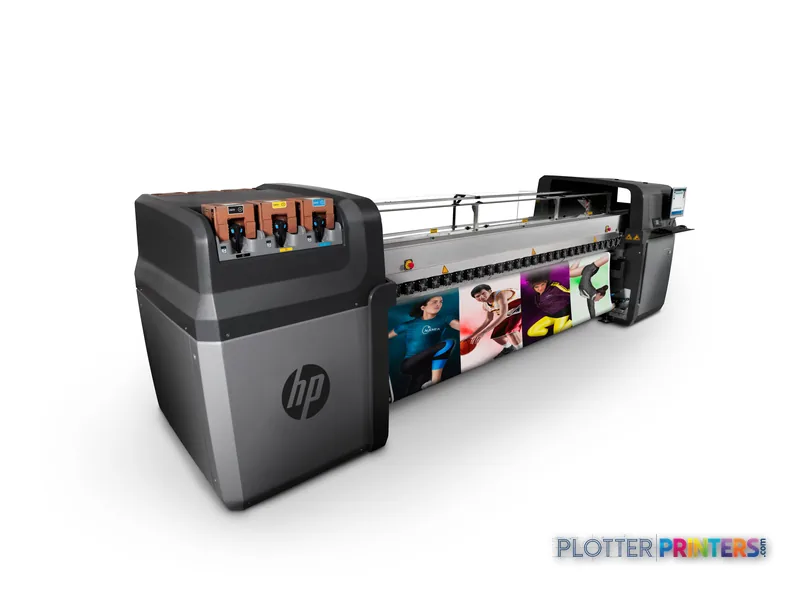
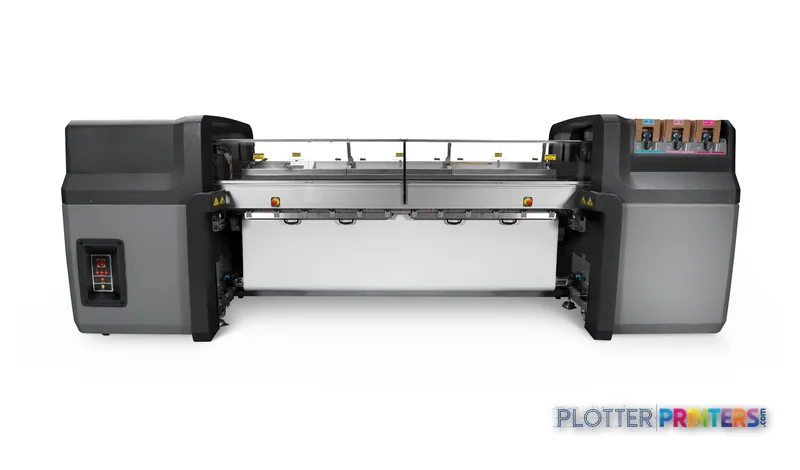
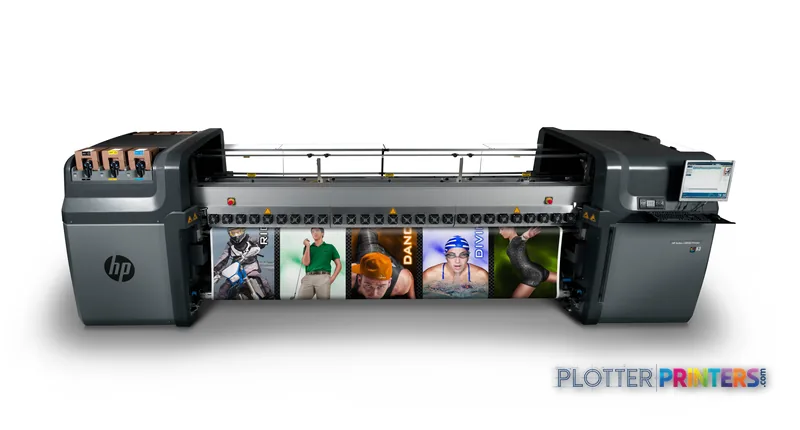
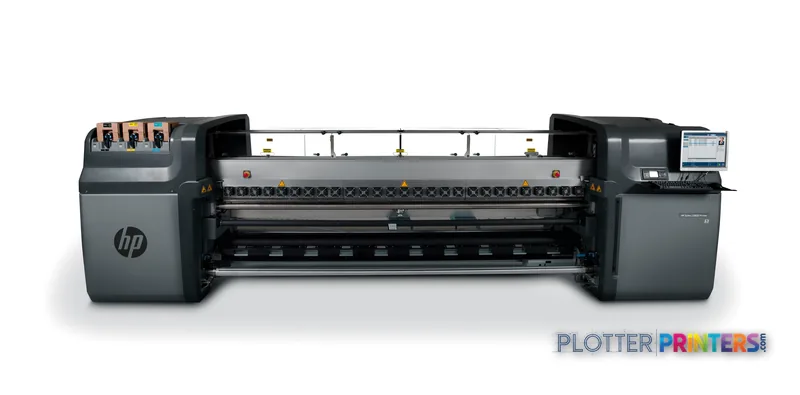
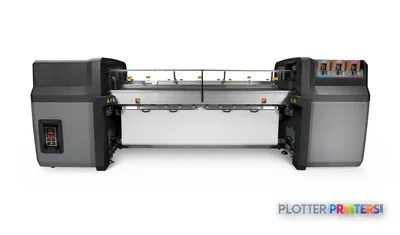
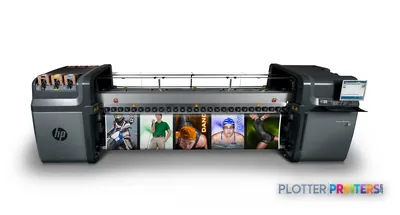
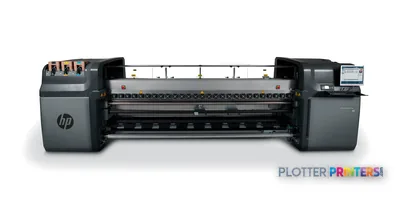
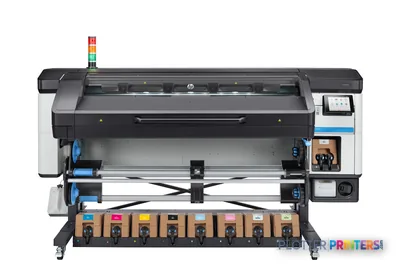
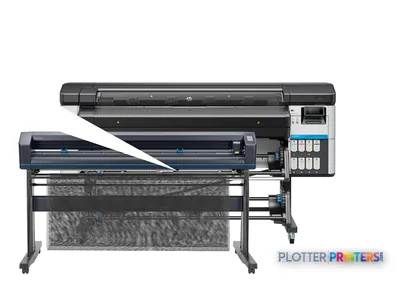
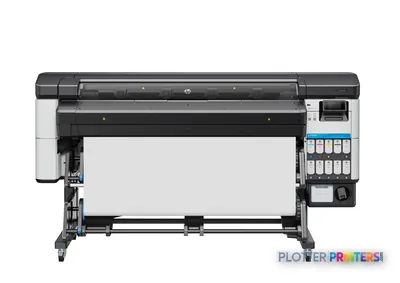
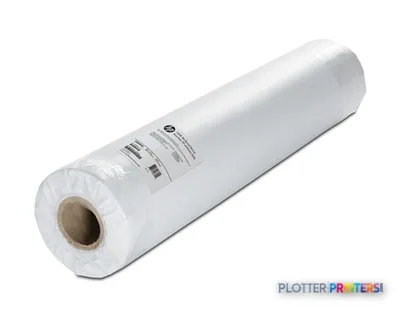
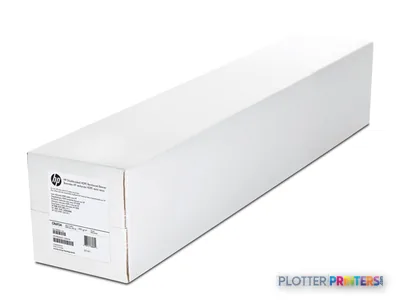
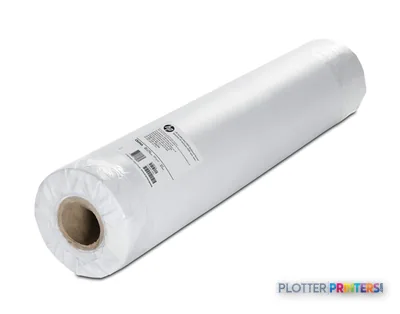
The 3.2 m single-roll width supports large AEC graphics, while dual-roll handling can reduce changeovers on narrower work.
Roll-to-freefall, roll-to-collector and roll-to-roll paths make media handling a central part of the buying decision.
HP rates Draft mode at 1905 ft²/hr, but finished throughput also includes loading, collection, trimming and finishing.
The ink collector supports porous substrates, which matters for mesh and other porous-media jobs.
This machine fits recurring production graphics work better than an office that mainly prints routine construction drawings.
The HP Latex 850 Printer is built for the print room that produces more than plan sets. Think construction-site banners, wayfinding, GIS displays, self-adhesive safety graphics, presentation panels and fabric graphics alongside ordinary paper output. Its 3.2 m single-roll width and dual-roll capability put it in the industrial end of AEC graphics production, where loading, collecting and finishing matter as much as the print pass.
HP rates Draft mode at 1905 ft²/hr, but rated speed gets material printed; media handling gets jobs out the door. A porous mesh banner, a double-sided graphic and a short run of adhesive site labels each use a different paper path and create different operator touchpoints. This machine gives a capable production team several paths to manage those jobs.
3.2 m (single roll); 2 x 1.52 m (dual roll)Maximum media width
484 ft²/hr (Production Plus 6-pass bidirectional for fabrics and backlits)Production Plus speed
1905 ft²/hr (Draft 1-pass unidirectional for drafts)Draft speed
Up to 31.5 milMedia thickness
Where it fits in an AEC operation
This is particularly well suited to central print rooms, contractor graphics departments and infrastructure teams that need wide output across banners, self-adhesives, films, fabric, paper, mesh and specialty media. The ink collector supports porous substrates, while roll-to-freefall, roll-to-collector and roll-to-roll handling give operators choices based on the finished job. Guided double-sided processing is relevant when a project needs graphics readable from both sides.
For AEC, the practical fit is not routine CAD plotting alone. It is the team producing site-identification graphics, temporary directionals, coordination visuals, maps and large presentation work that needs broad media flexibility. Review the wide-format class ranking and the rating methodology alongside a live media demonstration.
See how the rated speed modes position this printer within its wide-format production class; use the chart as a starting point, then allow for loading, collection and finishing.
Throughput depends on the roll, not just the print mode
The machine accepts up to two input rolls, with a maximum width of 3.2 m on a single roll or 2 x 1.52 m in dual-roll use. That matters when the work queue alternates between narrower production jobs: less changeover can mean more useful output in a shift. The trade-off is that wide rolls, collector setup and takedown still need floor space and trained hands.
HP specifies three printheads—cyan/black, magenta/yellow and light cyan/light magenta—with 10,560 nozzles and a 12 pl ink drop. Automatic built-in color calibration supports repeatable color management. For file preparation, HP Internal Print Server Software is bundled; HP Large Format Onyx Thrive RIP Software, HP Scitex Caldera RIP Software Printing and HP Scitex Onyx RIP Software Printing are listed accessories. Teams evaluating color-critical graphics should also review the ICC profile guidance.
The HP Latex 850 Printer is a production-format device: confirm access space for loading, output collection and operator movement before specifying its location.
Use the estimator to translate the verified rated speed modes into a starting production-time estimate, then add time for roll loading, collection, trimming and any finishing.
One set: – · Weekly plotting time: –
Computed from the manufacturer's rated 290 ft²/h. Real-world mixed sets run slower — treat this as a best case for comparing machines, not a promise.
The operational checks that matter
Ask three things: what feeds it, what dries it, who fixes it. First, run your actual banner, adhesive, paper and porous-media jobs through the intended path. Second, establish how output will be collected and finished after printing. Third, confirm the site can support its three-phase or single-phase power requirements and that service staff understand the production workflow.
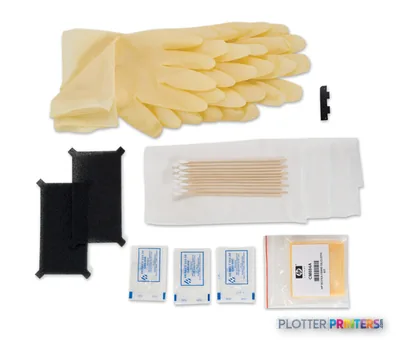
The small-shop angle is straightforward: this may be more machine than a team needs if its work is mainly occasional plan printing. It becomes more compelling where varied wide-format graphics are regular work and operators can keep rolls moving. Keep the HP Scitex LX Printer Cleaning Kit in the operating plan, and validate the approved media family against the applications you actually produce.
The HP Latex 850 Printer fits an AEC graphics operation that treats wide-format output as production work, not an occasional plotting task. Its width, dual-roll capability and multiple media paths support a broad mix of job types. Its limits are operational: it needs the right power, space, media plan and people to turn rated output into finished work. If the queue is mostly standard construction drawings, evaluate a simpler wide-format approach; if banners, films, fabric and site graphics are part of the weekly load, this platform deserves a serious workflow trial.
Spec analysis
How the specs grade
Overall performance
—Not enough data for an overall score
Individual dimensions are shown where the specs support them.
Graded on a curve against the best published spec among the wide-format printers we track — 100 = the catalog’s gold standard for that metric (the finest droplet, the longest warranty, the fastest rated speed actually on the market). Every input is a manufacturer-published spec; rated speeds are shown as listed, not timed throughput. Ticks mark the class best. How we grade →
Category leaders best latex signage printers, by dimension
290 ft²/hr (Production Plus 10-pass bidirectional for highly-saturated fabrics and backlits), 484 ft²/hr (Production Plus 6-pass bidirectional for fabrics and backlits), 947 ft²/hr (Billboard 2-pass unidirectional for outdoor billboards), 1905 ft²/hr (Draft 1-pass unidirectional for drafts)
Print cartridge volume (metric)
3 L
Performance
Certification
RoHS, WEEE, REACH
Paper handling
Media handling
Roll-to-freefall; roll-to-collector; roll-to-roll; dual-roll capability; ink collector for porous substrates; guided double-sided process
Three phase (line-to-line voltage): 200 to 220 VAC (+/- 10%), 50 A max; 380 to 415 VAC (-10% +6%), 30 A max; 50/60 Hz; single phase: 115 to 127 VAC (+/- 10%); 200 to 240 VAC (-10% +6%) (Japan 200 V); 50/60 Hz, 10 A max
Other features
Safety
USA and Canada (CSA listed); EU (LVD and MD compliant, EN 60950-1, 12100-1 and 60204-1); Russia (GOST)
Ink drop
12 pl
Roll maximum input
2
Acoustic power emissions
8.6 B(A)
Electromagnetic compatibility
Compliant with Class A requirements, including USA (FCC rules), Canada (DoC), EU (EMC Directive), Australia (ACMA), New Zealand (MoC)
Compatible ink types, supplies
HP Latex Inks
Acoustic pressure emissions (standby)
44 dB(A)
Packaging data
Bundled software
HP Internal Print Server Software
Everything that fits the HP Latex 850
The full supplies hub lists every cartridge, printhead, roll and accessory verified against the manufacturer's own documentation for this machine.
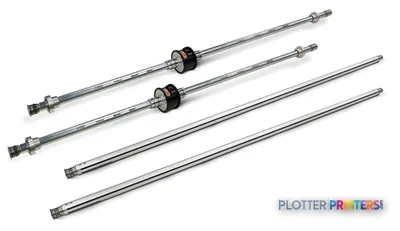
Genuine consumables that fit the HP Latex 850 Printer ( Scitex LX850 Industrial Printer) — only the cartridges, printheads and media compatible with this model.
What AEC work is the HP Latex 850 Printer suited to?
It supports banners, self-adhesives, films, fabric including flags without liner, paper, mesh and specialty media. That makes it relevant for site graphics, wayfinding, maps, presentation output and other large-format project communications.
Can it run two rolls at once?
Yes. It has dual-roll capability and accepts up to two input rolls, with support for 2 x 1.52 m in dual-roll use.
What is its maximum printable media width?
The stated maximum is 3.2 m on a single roll. The actual usable workflow should also account for loading access, collection and the finishing process.
What software is included and what RIP options are listed?
HP Internal Print Server Software is bundled. Listed accessory options include HP Large Format Onyx Thrive RIP Software, HP Scitex Caldera RIP Software Printing and HP Scitex Onyx RIP Software Printing.
What installation requirements should an AEC team confirm?
Confirm the electrical service before delivery: the stated requirements include three-phase and single-phase configurations. Also plan space for roll loading, output collection and operator access.
What maintenance supply should operations keep available?
The compatible maintenance item listed for this machine is the HP Scitex LX Printer Cleaning Kit. Include it in the operating plan rather than treating maintenance as an afterthought.