Expert analysis
What you should know

By Ray KowalczykSenior Technical Editor — CAD & Technical Printing Key takeaways
- A discontinued 24-inch aqueous HP plotter, still common as a backup or light-duty unit in AEC offices.
- Handles D-size ARCH D and ANSI D drawings; will not produce full 36-inch E-size sheets.
- Single roll, single operator — plan for manual roll swaps during long or last-minute jobs.
- Runs the older HP 10, HP 11 and HP 82 ink families with separate printheads that get harder to source over time.
- Best fit is occasional check prints, a legacy-archive workstation, or a backup to a larger plotter.
- For steady volume or E-size work, a wider dual-roll model or a currently supported 24-inch Canon is the sounder buy.
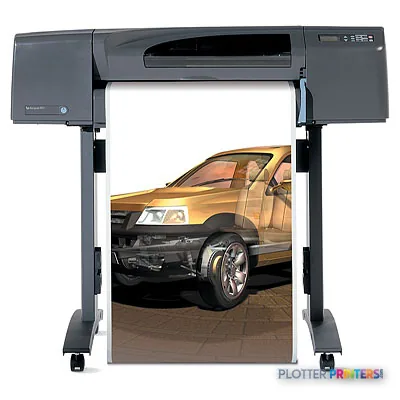
It’s 4:40 p.m., you’ve got a 24-inch permit set to run, and the machine you’re standing in front of is an HP Designjet 800. Remarketed. Which is a polite way of saying somebody else ran their deadlines through it first. That’s not a knock — it’s the whole point. This is a discontinued workhorse from HP’s older DesignJet line, still turning up in reprographics corners and small studios because it prints clean lines on bond and doesn’t ask much of you.
Let me be straight about what this page is and isn’t. There’s no verified spec sheet in front of me, so I won’t quote you speeds or duty cycles I can’t back up. What I can tell you is where this machine still earns its keep, where it doesn’t, and what you should ask before you buy one used.
What it actually is
The Designjet 800 is a 24-inch aqueous inkjet plotter — the roll-fed monochrome-and-color plotter that a generation of civil and architectural offices leaned on for check prints and small bid sets. Twenty-four inches means D-size across the roll. Good for ARCH D and ANSI D drawings. Not going to give you a full 36-inch E-size sheet; that’s a different, wider class of machine.
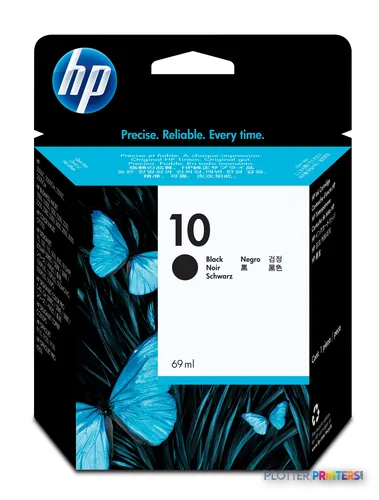
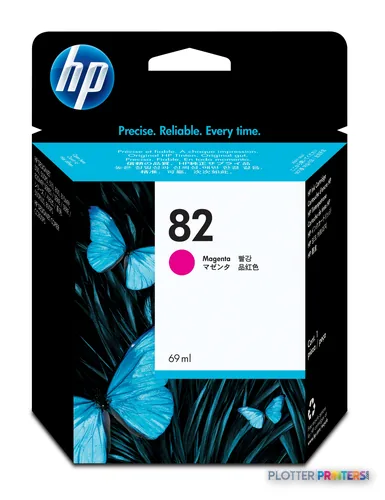
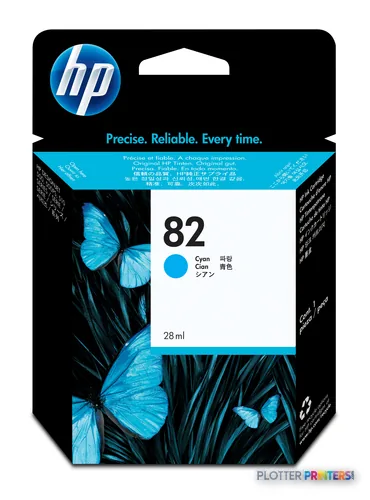
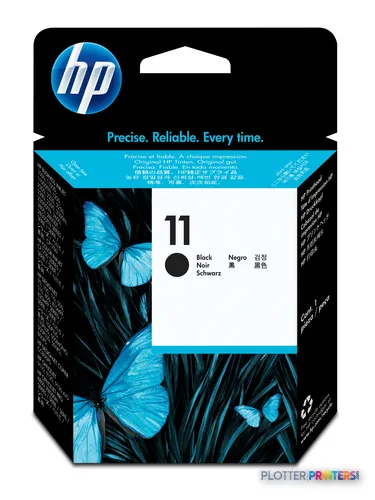
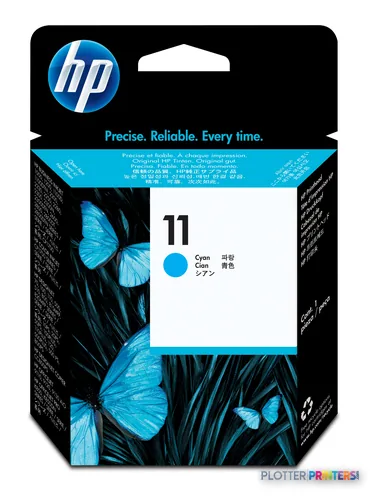
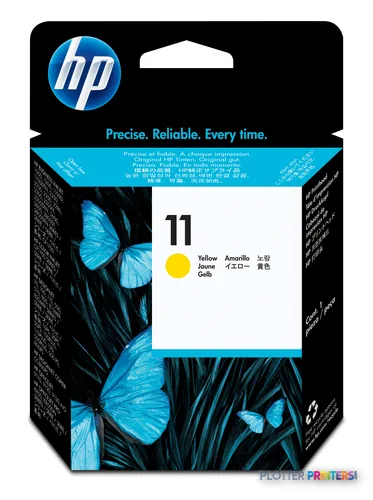
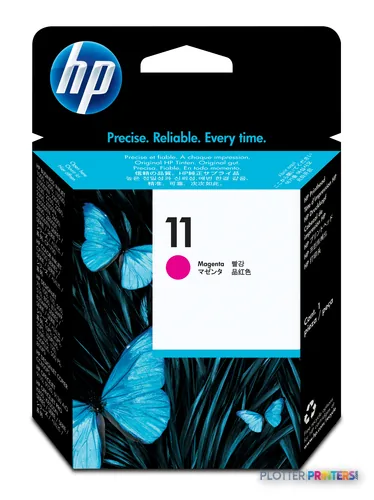
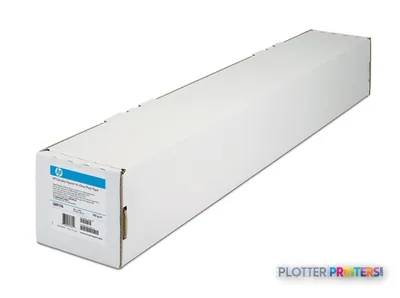
It runs the older HP ink family — HP 10 and HP 11 color cartridges with HP 82 as the higher-capacity option, feeding separate printheads. That cartridge-and-printhead split is a blessing and a curse: you replace what dies instead of the whole assembly, but there are more parts to source on a machine HP no longer builds. Media-wise it’s flexible — it’ll take HP bond, coated, and HP Matte Film for the jobs that need dimensional stability.
Where it fits, and where it doesn't
This is a single-roll, single-operator plotter. That shapes everything. You feed one roll, you run your set, and when the roll runs out mid-job, somebody’s swapping it by hand. On a light week that’s fine. On the Thursday before a Friday submittal, that’s you staying late.
So the honest fit is narrow but real: a small studio or a field trailer that needs occasional D-size check prints, an archive PC that still speaks to legacy HP-GL/2, or a backup unit that keeps a bigger department running when the primary plotter is down. It becomes more compelling when you already own spare HP 82 cartridges and a shelf of the right media.
Where it’s the wrong tool: any office running steady daily volume or full E-size sets. If you need width and a scanner in the same footprint, look at a wider dual-roll model — in HP’s own line the DesignJet T918 36-in steps you up to 36 inches with MFP scanning, though it’s also discontinued. If you’d rather buy something HP still supports with parts and fresh consumables, the current-generation 24-inch Canon plotters like the Canon GP-200 24-in or the Canon iPF605 24-in are the practical cross-shop. Worth a side-by-side before you commit to legacy.
The remarketed reality
Buying used means buying someone’s mileage. Name the failure mode before the feature: on machines this age, it’s printheads, the carriage belt, and cartridge-bay contacts. None are fatal, all are wear items, and all get harder to source every year. Ask about the maintenance kit history — HP shipped service parts like HP C3869A for this platform, and you want to know what’s been replaced.
The upside is genuine. A remarketed 800 gets a proven plotter onto your floor without the commitment of a new lease, and if your volume is truly occasional, it may outlast your need for it. Just size the risk to the job. A backup print doesn’t care that the machine is old. A last-minute permit set at 4:45 cares very much.
The read
The Designjet 800 is a fine second machine and a defensible first machine for a very light-duty office. It prints clean D-size drawings, it takes a sensible range of HP media, and remarketed it gets you working without a big commitment. But it’s discontinued, it’s single-roll, and it’s 24 inches wide — three ceilings you’ll hit the moment your volume or your sheet size grows. Buy it for what it is: a proven, low-stakes plotter for occasional work. If your deadlines are daily and your sheets are E-size, spend your money on something the manufacturer still supports.