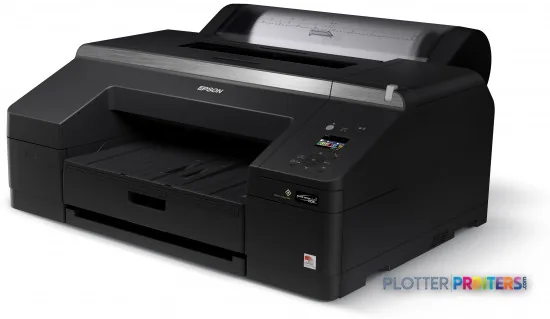
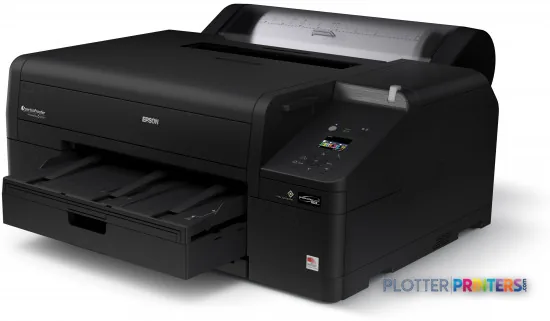
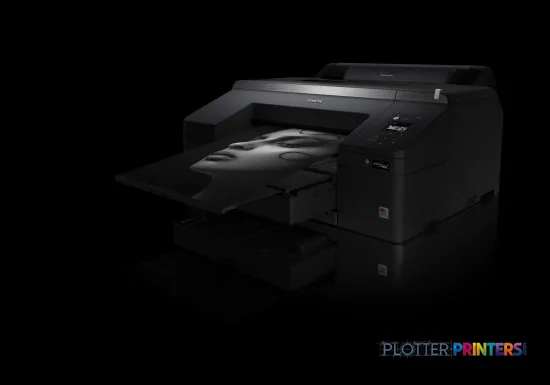
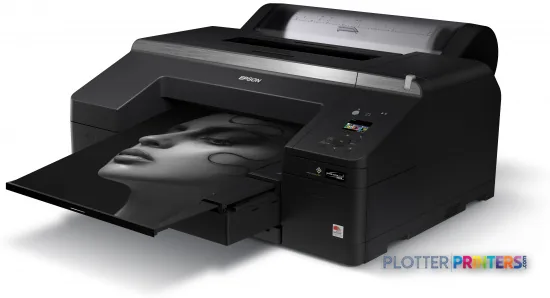
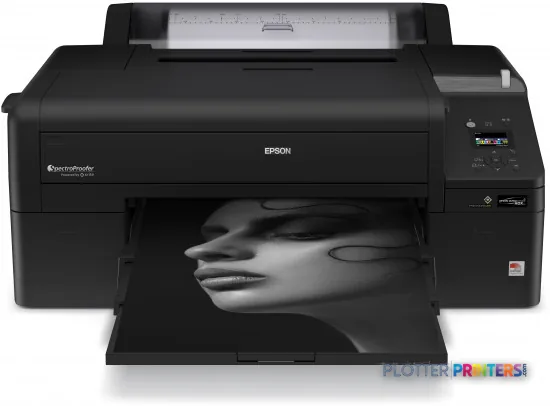
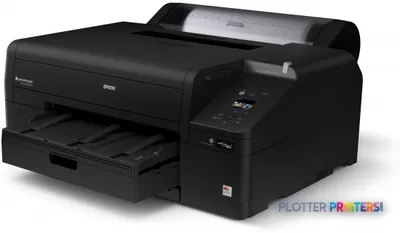
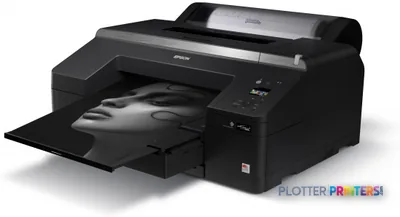
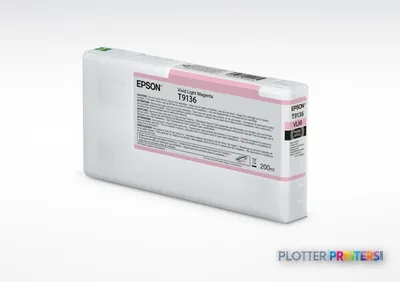
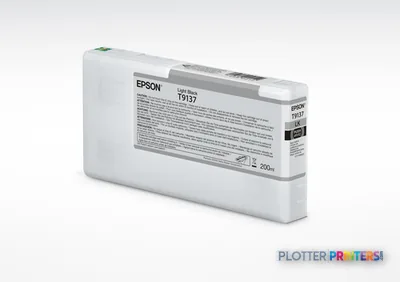
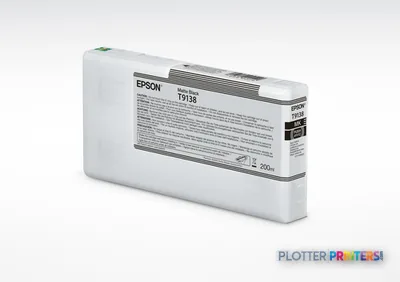
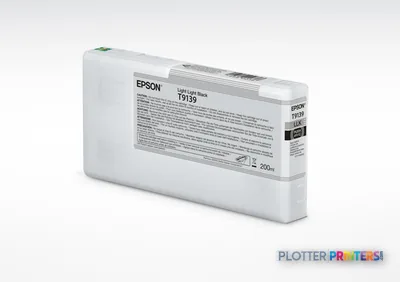
When a coordination PDF needs to be checked at a desk rather than carried to a plot room, the useful question is not simply whether it is in color. It is whether fine annotation, color-coded services, and small presentation sheets remain legible together. This inkjet printer is a compact A2 device for that kind of controlled output: proofing, design review, GIS extracts, marked-up sheets, and color reference prints where the page itself matters.
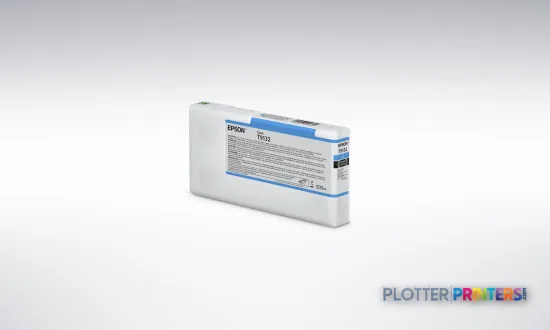
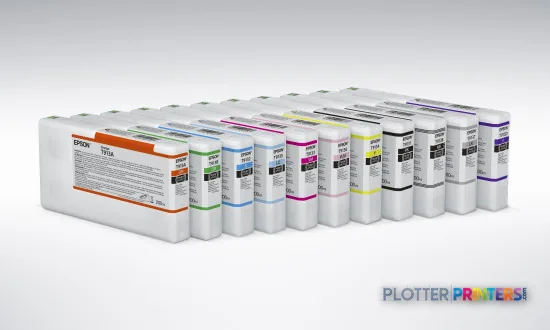
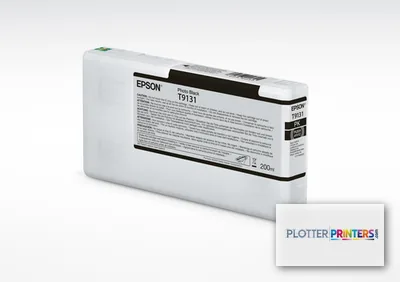
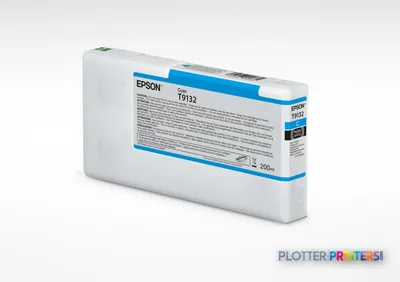
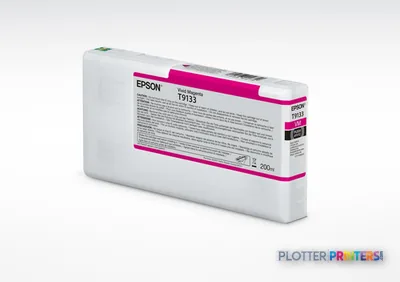
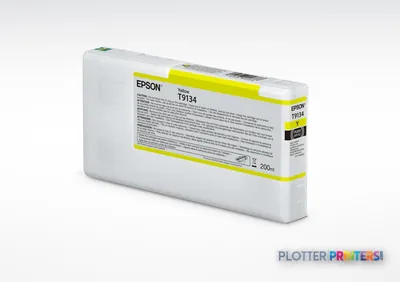
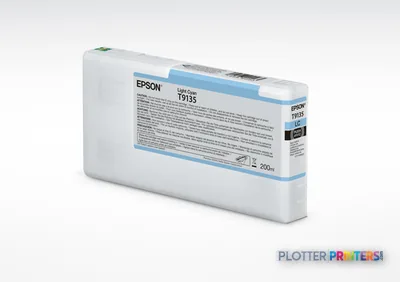
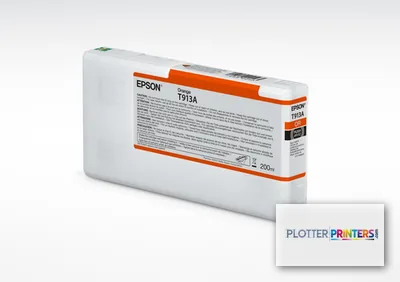
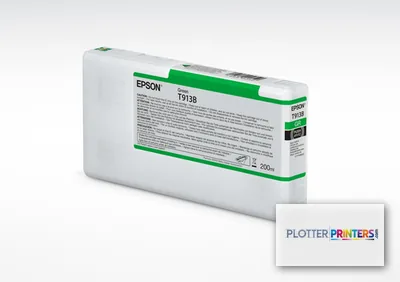
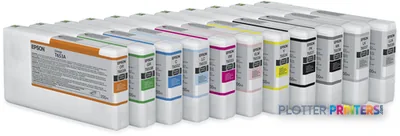
Its 11-color ink configuration includes photo black, matte black, multiple light inks, orange, and green. That is a notably color-oriented configuration for an A2 printer, while the listed 2880 x 1440 DPI maximum resolution gives it a sound specification for detailed linework and graphics. There is no scanner or copier, so it belongs beside a document workflow rather than at the center of a walk-up reprographics service.
Where it fits in an AEC office
This is particularly well suited to architects and engineers who need color output up to A2, but do not need to run large-format plan sets. Think of a design lead checking an elevation with material callouts, an MEP coordinator reviewing colored overlays, or a survey team preparing a compact map sheet. The 250-sheet input capacity can support a shared office queue, provided the work is predominantly sheet-fed and within its A2 maximum.
Windows and Mac operating systems are supported, and the printer offers both USB 2.0 and RJ-45 connectivity. Epson ESC/P2 is the listed page-description language. Those facts establish the basic desktop and network connection options; they do not, by themselves, prove how a particular CAD, PDF, authentication, or chargeback workflow will behave. IT should test its actual PDF and driver path before standardizing deployment.
Color and media deserve practical context
The ink set is the central reason to consider this machine for visual AEC work rather than ordinary monochrome documentation. Orange and green, alongside cyan, magenta, yellow, black, and light ink variants, give the device more tools for rendering graphic content than a basic office printer. The difference matters where photographs, material studies, and saturated wayfinding colors live—not as a blanket promise of color accuracy. No measured ICC gamut data is supplied here, so color-critical teams should evaluate output on their own specified media and profile path.
The supported media-thickness range extends from 0.003″ to 0.059″, which opens the door to a broader selection of sheets than plain bond alone. Confirm the approved media type, feed behavior, and application requirements with the supplier before committing a board or specialty-stock workflow.
The right boundary: A2 color output, not plan-room production
The 34″ wide, 30.2″ deep chassis and 114.6 lbs weight make this an office-scale device, but its role should be defined narrowly. It has one input tray, no scanning, and no copying. It may be less appropriate for a construction office that routinely needs full-size bid sets, field copies, or mixed-size document production. Those workflows usually need a wider device and, often, a separate scanning strategy.
Within the same family, the [[product:117891126|Epson P5300 17-in]] is the closer alternative for teams staying with a 17-inch-class format but seeking its listed 5760 x 1440 DPI maximum resolution. For teams that need wider drawings, the [[product:30569728|Epson SureColor P6000 24-in]] is the more relevant in-family direction because it is a 24-inch printer. Firms needing dual-roll 44-inch capacity should instead examine the [[product:97816057|Epson P8570DR 44-in]].
This printer makes sense for an AEC team that needs carefully rendered A2 color sheets, detailed graphics, and a modest shared-paper workflow in a compact footprint. It is not a substitute for a scan-copy-print MFP or a large-format plan-production system. Treat it as a specialized color output point: strong for design review and presentation-oriented documents, less convincing when the daily requirement is wide drawings, unattended roll work, or document conversion.