
Home / Wide-Format Printers / Canon imagePROGRAF
Canon · Wide-Format Plotter
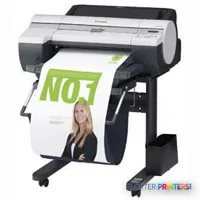
Canon imagePROGRAF LP17
17" wide-format printer
- ModelLP17
- Prints17" wide
Genuine OEM hardwareAuthorized U.S. distribution
Manufacturer warrantyExtension plans available
Free shippingContinental U.S.
Plotter specialistsAEC experts, not just sellers
Analyst take
- The Canon imagePROGRAF LP17 supports media up to 17 inches wide and output up to A2 size.
- Its specified ±0.1% line accuracy and 2400 x 1200 DPI resolution are relevant to reduced-format technical drawings.
- The listed 3 ppm rating applies to black A4/US Letter output and should not be treated as CAD plot throughput.
Not sure if the LP17 is right for you?
Compare key specs and an AI analyst read-out against similar models.
- Wide-format reach Prints up to 17" wide on rolls and sheets.
- Fine detail 2400 x 1200 DPI maximum resolution for crisp line work.
- Connectivity Ethernet for shared team printing.
Overview
Built for the work
Canon imagePROGRAF LP17, 2400 x 1200 DPI, PF-03, A2 (420 x 594 mm), A1, A2, A3, 0.07 – 0.8/0.08 – 0.3/0.07 – 0.8/0.5 – 1.5 mm, 708.7" (18 m)
Expert analysis
What you should know
Key takeaways
- The Canon imagePROGRAF LP17 supports media up to 17 inches wide and output up to A2 size.
- Its specified ±0.1% line accuracy and 2400 x 1200 DPI resolution are relevant to reduced-format technical drawings.
- The listed 3 ppm rating applies to black A4/US Letter output and should not be treated as CAD plot throughput.
- Ethernet, USB Type-A, Fast Ethernet, and SNMP support make shared deployment possible, but IT validation remains necessary.
- The listed AC 220 – 240 V power requirement needs confirmation before a U.S. installation.
- It is better suited to local smaller-format AEC output than to full-size plan-set production.
The Canon imagePROGRAF LP17 is a compact color wide-format printer for teams whose drawings stop at 17 inches wide: detail sheets, small plan packages, field markups, GIS extracts, and presentation-oriented technical output. It is not a substitute for a full-size construction-document plotter, but it can be a sensible local device where A2, A3, and smaller formats are the working reality.
Its appeal is straightforward: 17-inch media support, Ethernet connectivity, a built-in LCD, and specified line accuracy of ±0.1%. The practical question is less about maximum resolution than workflow fit. A printer that saves thirty seconds a plot buys you nothing if the file spends four minutes finding it.
17" (432 mm)Maximum print widthSupports output up to A2.
2400 x 1200 DPIMaximum resolutionUseful where fine drawing detail and color graphics share a sheet.
±0.1 %Specified line accuracyA relevant specification for scaled technical output.
86 lbs (39 kg)Unit weightCompact enough to consider for a departmental location, subject to media and clearance planning.
Where the LP17 fits in an AEC workflow
This machine is most credible as a local output point for architecture studios, engineering disciplines, survey teams, and construction offices that routinely print smaller technical documents. The stated maximum print size is A2, or 17 x 23 inches, with A1, A2, and A3 ISO sizes also listed. That makes it useful for drawing excerpts, coordination sheets, small site plans, annotated PDFs, and color-coded review material rather than full-size bid sets.
The 5-cartridge configuration and support for opaque, coated, glossy, photo, and high-resolution papers give it flexibility for mixed technical and presentation work. The minimum stated line width is 0.000787 inches (0.0200 mm), while the maximum resolution is 2400 x 1200 DPI. Those figures matter most when small labels, hatch patterns, and colored discipline overlays need to remain readable on a reduced-format sheet.
For teams considering alternatives, compare the LP17 with the Epson P5300 17-in or Epson SC-P900 17-in. Both are 17-inch inkjet options in the catalog, but the real comparison should include media habits, file submission method, local support, and who will own routine maintenance—not merely resolution on a specification sheet. Use the product comparison tool to keep that discussion structured.
Production limits deserve plain language
The LP17 is not positioned by its supplied data as a large-format production engine. Its listed black normal-quality A4/US Letter speed is 3 ppm, which is a small-sheet measure rather than a reliable estimate of CAD plot turnaround. Plot time also includes PDF processing, spooler behavior, roll loading, trimming, and the person who retrieves and checks the drawing. Money is minutes.
The maximum roll length is 708.7 inches and the maximum roll diameter is 5.91 inches. Those limits can be workable for intermittent departmental output, but they do not remove the need for an operator to manage media changes and released documents. Firms producing regular full-size permit, bid, or issue sets should evaluate a wider device with more production-oriented media handling and output management.
There is no listed in-family step-up or step-down model in the supplied catalog. That is worth stating plainly rather than pretending a neighboring model is interchangeable. If 17-inch output is the actual requirement, the LP17 can be assessed against the available same-width alternatives; if 24-, 36-, or larger-format plans are routine, the better answer is qualitatively a wider AEC-focused system.
Network, power, and support checks before deployment
Ethernet LAN, USB Type-A, Fast Ethernet, SNMP support, and an LCD provide the basic ingredients for a shared device. The listed protocol set includes TCP/IP, HTTP, SNMP, IPX/SPX, and AppleTalk; the listed operating systems are older Windows releases. IT should validate present-day driver availability, authentication requirements, network segmentation, firmware support, and logging before treating the printer as a managed shared resource. A printer can be physically small and still create a surprisingly large help-desk footprint.
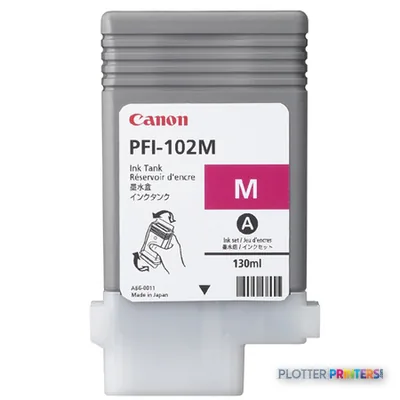
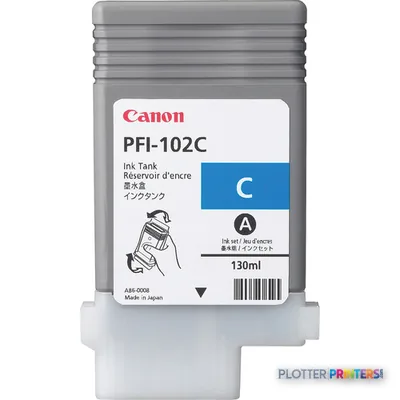
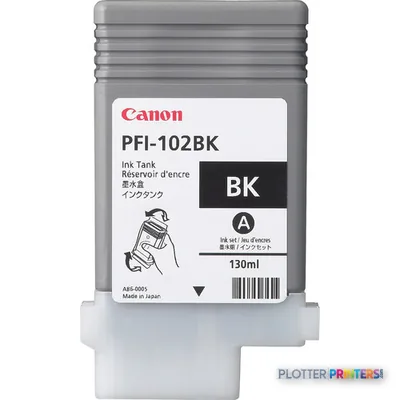
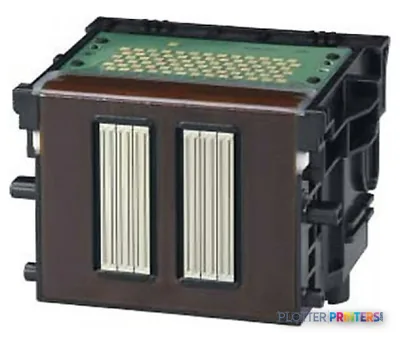
There is one important U.S. deployment check: the supplied power requirement is AC 220 – 240 V at 50/60 Hz. Confirm the intended electrical circuit before installation. Also confirm media supply, service coverage, and the compatibility of the listed Canon PF-03 print head, Canon 0894B001, Canon 0897B001, Canon PFI-102BK ink cartridge Original Black, Canon PFI-102C ink cartridge Original Cyan, Canon PFI-102Y ink cartridge Original Yellow, and Epson MC-05 maintenance item with the actual machine configuration.
For a broader view of how this class is assessed, see the 17-inch printer class ranking and our evaluation methodology.
Useful next checks
The read
Choose the Canon imagePROGRAF LP17 if your AEC team genuinely works at A2 and below, needs color technical output near the users, and can validate its electrical, driver, and consumables setup. Choose a wider, more production-oriented system if full-size plan sets, frequent roll changes, or unattended issue packages are part of the daily job. Buy the machine for the workflow you have, not the one the brochure imagines.
Verified specifications
The specs that decide it
| Maximum resolution | 2400 x 1200 DPI |
|---|---|
| Number of print cartridges | 5 |
| Maximum print size | A2 (420 x 594 mm) |
| Media thickness | 0.07 – 0.8/0.08 – 0.3/0.07 – 0.8/0.5 – 1.5 mm |
| Maximum roll diameter | 5.91" (15 cm) |
| Ethernet | Yes |
| Power consumption | 100 W |
Specifications
Full technical detail
Max resolution2400 x 1200 DPI
Max print width17"
ConnectivityEthernet (Gigabit LAN), USB
Use caseCAD / Technical
Printing
| Color | Yes |
|---|---|
| Print head | PF-03 |
| Maximum resolution | 2400 x 1200 DPI |
| Print head nozzles | 5120/2560 |
| Number of print cartridges | 5 |
Performance
| Display | LCD |
|---|---|
| Certification | CE Mark, CB, TUV (GS), Gost R |
| Built-in display | Yes |
Paper handling
| Media thickness | 0.07 – 0.8/0.08 – 0.3/0.07 – 0.8/0.02"–0.059" (0.5 – 1.5 mm) |
|---|---|
| Maximum print size | A2 (17" x 23" (420 x 594 mm)) |
| Maximum media width | 17" (432 mm) |
| Maximum roll length | 708.7" (18 m) |
| Maximum roll diameter | 5.91" (15 cm) |
| Recommended media weight | 80/260 g/m² |
| ISO A-series sizes (A0…A9) | A1, A2, A3 |
| JIS B-series sizes (B0…B9) | B2, B4 |
Ports & interfaces
| USB port | Yes |
|---|---|
| Ethernet LAN | Yes |
| USB connector | USB Type-A |
| USB 2.0 ports quantity | 1 |
| Ethernet interface type | Fast Ethernet |
| Supported network protocols | IPX/SPX (Netware 4.2 (J), 5.1 (J), 6.0 (J), SNMP (Canon-MIB), HTTP, TCP/IP, AppleTalk |
Weight & dimensions
| Weight | 86 lbs (39 kg) |
|---|---|
| Dimensions (WxDxH) | 32.2 x 28.9 x 12.5" (819 x 733 x 317 mm) |
Power
| Power requirements | AC 220 – 240 V, (50/60 Hz) |
|---|---|
| Power consumption (standby) | 1 W |
| Power consumption (typical) | 100 W |
Operational conditions
| Operating temperature (T-T) | 15 – 35 °C |
|---|---|
| Operating relative humidity (H-H) | 10 – 80% |
Other features
| Photo paper | Yes |
|---|---|
| Coated paper | Yes |
| Glossy paper | Yes |
| Opaque paper | Yes |
| Line accuracy | ±0.1 % |
| Minimum line width | 0.000787" (0.0200 mm) |
| High resolution paper | Yes |
| Acoustic pressure emissions | 52 dB |
| Print speed (black, normal quality, A4/US Letter) | 3 ppm |
System requirements
| Compatible operating systems | Windows 2000, XP, Server 2003, Vista (32) |
|---|
Supplies
Compatible ink, printheads & media
Genuine consumables that fit the Canon imagePROGRAF LP17 large format printer Colour 2400 x 1200 DPI A2 (420 x 594 mm) Ethernet LAN — only the cartridges, printheads and media compatible with this model.
Ink Cartridges 3
Printheads 1
Paper & Media 12
 Representative image8 Mil Satin Photo PaperRepresentative imageKODAK PROFESSIONAL Inkjet Photo Paper, Glossy / 255gRepresentative image8mil Satin Microporous Photo Paper (791)Representative image8mil Gloss Microporous Photo Paper (790)Representative image20LB Inkjet Vellum (772)Representative image18LB Inkjet Bond Paper (Translucent) (750)Representative image28LB Inkjet Coated Matte Paper (748)Representative image24LB Inkjet Coated Matte Paper (745)Representative image20LB High Brite Inkjet Bond Paper (740)Representative image24LB Inkjet Bond Paper (731)Representative image20LB Inkjet Bond Paper (730)Representative image20LB Engineering Vellum (471)
Questions
Straight answers
What AEC documents fit the Canon imagePROGRAF LP17?
It is suited to smaller-format technical output such as A2, A3, drawing excerpts, coordination sheets, annotated PDFs, GIS extracts, and presentation-oriented engineering graphics. Its maximum print width is 17 inches.
Can the LP17 replace a 24- or 36-inch plan printer?
Not for teams that routinely issue full-size construction documents. The supplied maximum print size is A2, or 17 x 23 inches, so it is a departmental small-format wide-format device rather than a full-size plan-set platform.
How should buyers interpret the listed 3 ppm speed?
It is specified for black, normal-quality A4/US Letter output. Actual CAD and PDF turnaround will also depend on processing, media handling, job release, and operator activity.
What connectivity does the LP17 provide?
The supplied specifications list Ethernet LAN, Fast Ethernet, USB Type-A, USB 2.0, and supported protocols including TCP/IP, HTTP, and SNMP. IT should still confirm current driver and security compatibility for the intended environment.
What should a U.S. buyer verify before installation?
Verify the listed AC 220 – 240 V power requirement, physical space, supported media workflow, current driver availability, and local service arrangements. Confirm the listed Canon PF-03 print head and compatible ink and maintenance supplies with the dealer or service provider.
Ready to put the Canon imagePROGRAF LP17 to work?
We’ll point you to the current equivalent and quote it for your workflow.