Expert analysis
What you should know
Key takeaways
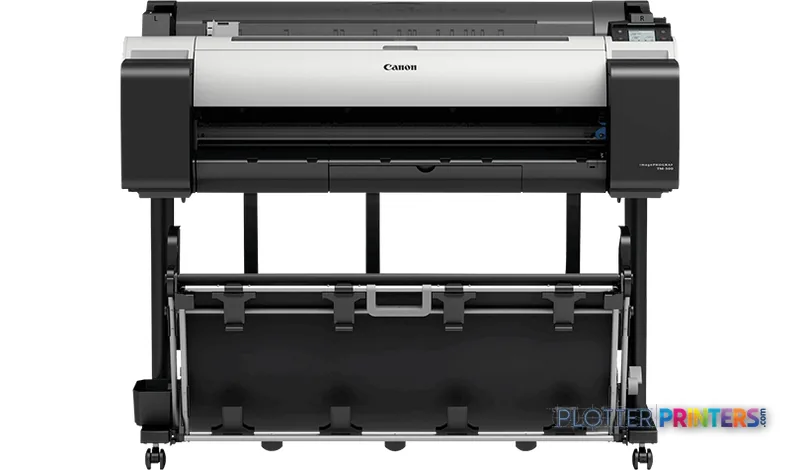
- The Canon TM-300 is a printer-only, color thermal-inkjet device with no scanning or copying capability.
- It supports roll paper and cut sheets, making it suitable for varied AEC drawing and presentation output.
- HP-GL/2 and HP-RTL support are relevant to established CAD plotting workflows.
- A 36-inch borderless width supports full-size plan and presentation-oriented output.
- The Canon TM-205 24-in is the smaller-format in-family alternative, while the Canon TM-250 24-in adds scanner/MFP capability.
A permit set arrives late, the structural overlays need one more revision, and the plan table cannot wait for a central reprographics queue. The Canon TM-300 is a color thermal-inkjet wide-format printer for that familiar AEC moment: rendering A0 drawings, GIS maps, coordination sheets, and presentation-ready plan graphics directly from the office.
Its strength is practical versatility rather than an all-in-one document-production promise. It accepts roll paper and cut sheets, supports HP-GL/2 and HP-RTL, and connects through Gigabit Ethernet, Wi-Fi, or USB. Fine linework has a 2400 x 1200 DPI maximum resolution to work with; the important operational question is whether your workflow also needs scanning, copying, or greater media automation. This model has neither scanning nor copying, so it is a printer-first choice.
2400 x 1200 DPIMaximum resolutionThermal inkjet output
36"Borderless widthFor full-width presentation output
2 GBMemorySupports job processing
132.3 lbs (60 kg)Printer weightPlan its location and installation accordingly
Where it fits in an AEC office
This is particularly well suited to an architecture studio, engineering department, survey team, or contractor office that needs dependable access to wide-format color without adding scan-and-copy duties to the same device. The 3-inch touch display and roll/cut-sheet support suit a mixed day of issued drawings, review plots, and occasional boards. At 44 dB while printing, it is also specified for a comparatively restrained office presence—more like an ongoing mechanical hush than a print-room roar.
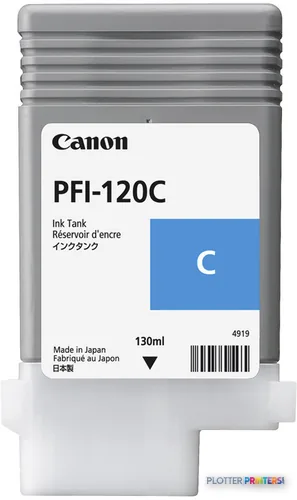
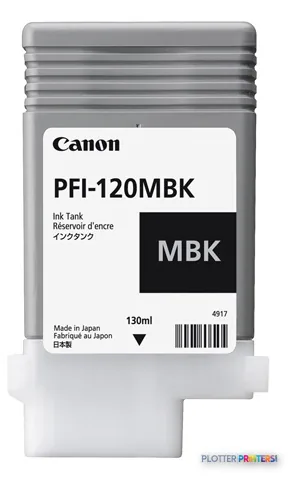
Its five listed ink colors—black, matte black, cyan, magenta, and yellow—give it a sensible role in monochrome CAD sheets as well as color-coded discipline overlays. But do not turn the resolution figure into a color-fidelity conclusion. No measured ICC gamut data is provided here, so firms with tightly controlled visualization or branded presentation requirements should test their own PDFs, media, and profiles before standardizing output.
Workflow, media, and IT considerations
The TM-300 accommodates media from 0.003"–0.031" thick and supports A1, A2, A3, and A3+ ISO sizes alongside wider roll and sheet media. Its maximum roll length is 708.7", while the specified maximum roll diameter is 5.91". Those figures matter when deciding how often an operator will need to load media during a busy issuance cycle.
For IT, the useful baseline is Ethernet LAN at 10, 100, or 1000 Mbit/s, Wi-Fi, and a USB Type-B connection. HP-GL/2 and HP-RTL support keeps the machine relevant to established CAD plot workflows. Confirm current driver support against your managed desktop environment: the supplied compatibility information lists Windows 7 through Windows 10 and Mac OS X 10.10 through 10.12. Review how we assess wide-format printers before treating any single specification as a complete workflow answer.
The family choice: printer-only, 24-inch, or scan-capable
The Canon TM-300 makes sense when 36-inch borderless output matters and printing is the assignment. A smaller-office alternative is the Canon TM-205 24-in, where 24-inch output may better match the available space and typical sheet sizes. If site markups, legacy drawings, or redline copying are part of the daily workload, the Canon TM-250 24-in is the more relevant in-family direction because it is listed as a scanner/MFP.
For buyers staying at this width but wanting to examine a related 36-inch model, compare the Canon TM-300 and Canon TM-305 36-in directly. The trade-off should be judged on the actual workflow, not family naming: scanning needs, media-loading patterns, local service capability, and driver validation are usually more consequential than a modest spec-sheet distinction.
The read
Choose the Canon TM-300 when your team needs a networked, color-capable 36-inch printer for A0 plan output, CAD-oriented languages, and a mixture of roll and cut-sheet work. It is less appropriate as the only device for departments that routinely scan, copy, archive, or distribute marked-up paper drawings. In those environments, evaluate the scan-capable Canon TM-250 24-in or maintain a separate wide-format scanning process. The best proof remains a controlled trial with your own line-heavy PDFs and media—especially where a cyan edge, a small note, or a revision cloud must remain unambiguous.