
Home / Wide-Format Printers / HP Latex
HP · Wide-Format Plotter
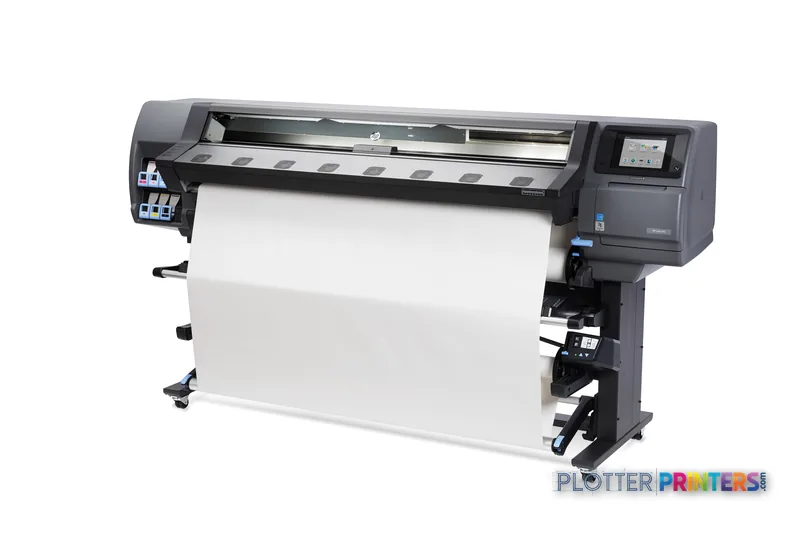
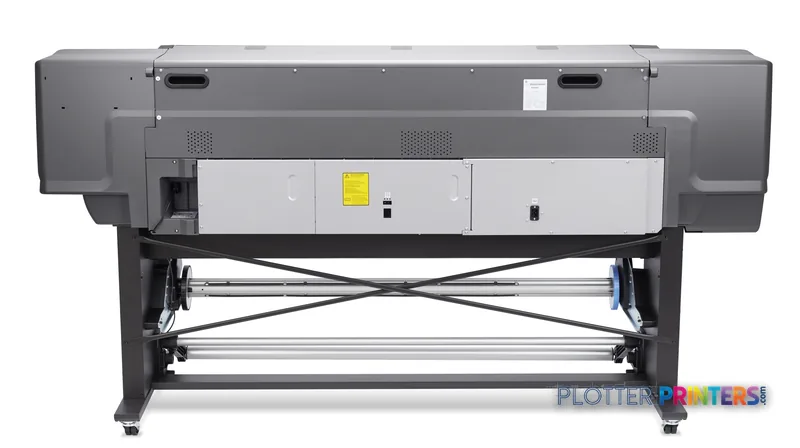
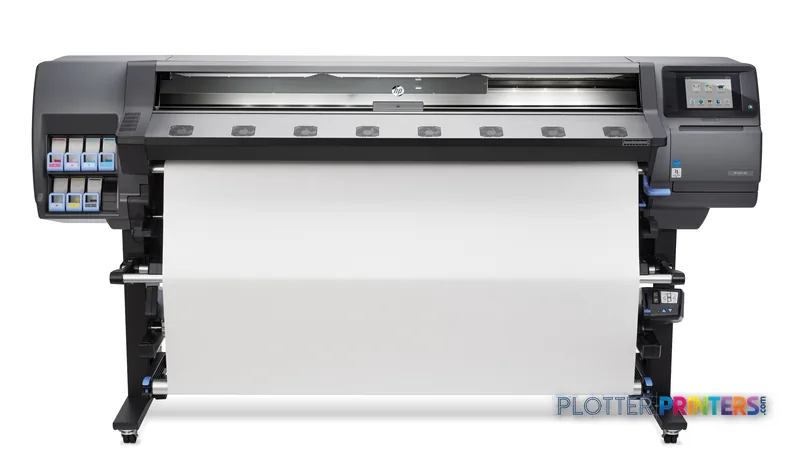
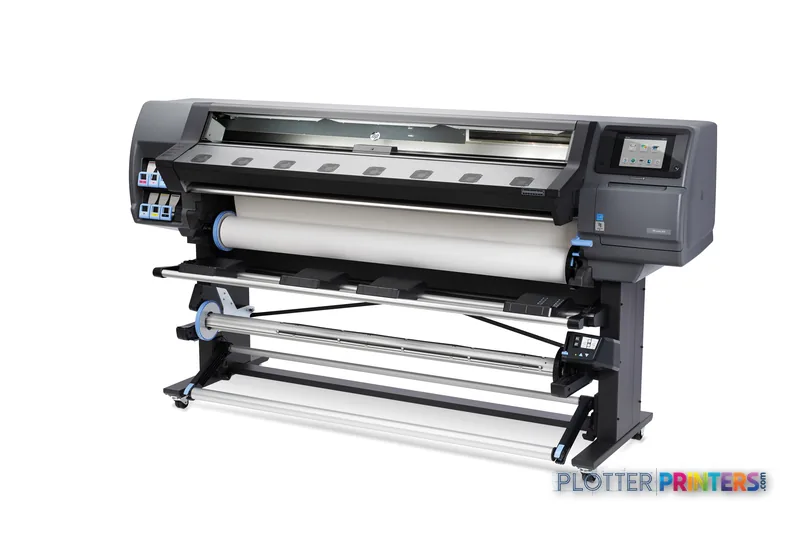
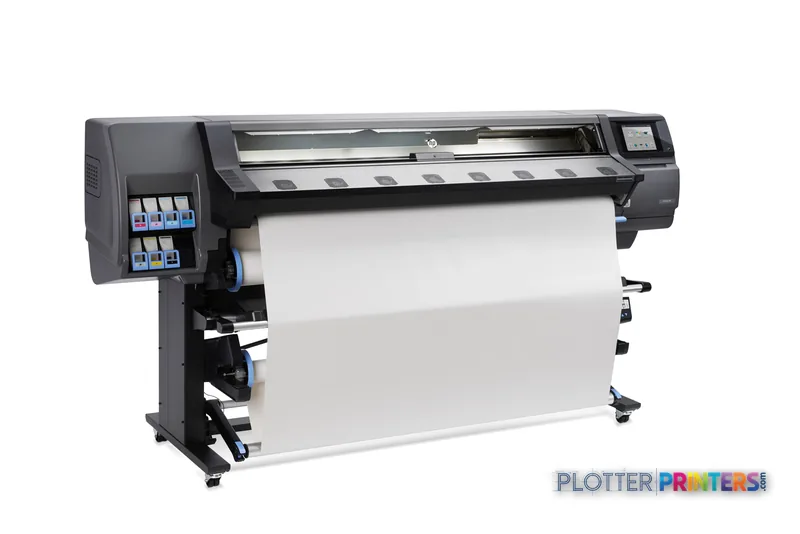
HP Latex 360
64" latex signage printer
- ModelLatex 360
- Prints64" wide
Authorized HP dealerGenuine hardware & ink
Manufacturer warrantyExtension plans available
Free shippingContinental U.S.
Plotter specialistsAEC experts, not just sellers
Analyst take
- 64-inch HP Latex water-based printer built for color signage and display graphics, not document plotting or as-builts.
- No integrated scanner; scores just 23/100 for as-builts — pair with a separate wide-format scanner for any redline loop.
- HP quotes throughput including 14 and 23 m²/hr across modes; these are area ratings, not plots-per-hour.
Not sure if the Latex 360 is right for you?
Compare key specs and an AI analyst read-out against similar models.
Overview
Built for the work
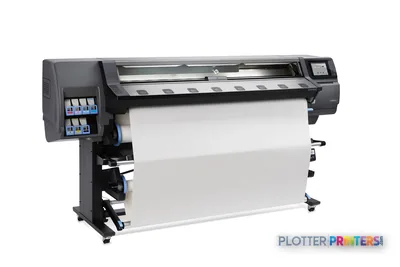
HP Latex 360 Printer
Expert analysis
What you should know

Key takeaways
- 64-inch HP Latex water-based printer built for color signage and display graphics, not document plotting or as-builts.
- No integrated scanner; scores just 23/100 for as-builts — pair with a separate wide-format scanner for any redline loop.
- HP quotes throughput including 14 and 23 m²/hr across modes; these are area ratings, not plots-per-hour.
- 1200 x 1200 dpi with i1 embedded spectrophotometer and Custom Substrate Profiling for repeatable multi-substrate color.
- Large and power-hungry: up to ~793.7 lb, 4 kW operating draw — this is production-room equipment.
- Recorded end-of-life April 2017; treat as a discontinued platform and verify parts, printheads and dealer support.
- Best fit: firms bringing presentation boards, renderings and site graphics in-house from a sign shop.
Every AEC firm eventually runs into a class of output that a plain monochrome plotter can’t do justice to: the large-format presentation board for a design review, the color-coded site-context map, the tenant-facing renderings pinned up in a lobby, the marketing graphic for a groundbreaking. These jobs want saturated color, durable ink and a range of substrates well beyond bond paper. The HP Latex 360 is a machine built for exactly that side of the shop — not for cranking out permit sets.
To be clear about what it is: the Latex 360 is a 64-inch (1625 mm) wide-format Latex printer using HP’s water-based Latex ink. HP built it for signage and display work — banners, self-adhesive vinyl, film, textile, paper, wallcovering, canvas, synthetic materials and mesh — with a roll range from 16.5 to 64 inches and media handling up to 0.2 in (5 mm) thick. Understanding that graphics-and-display heritage is the key to reading everything below, because it explains both where this printer shines for AEC users and where it falls short.
Who this is actually for
Our spec-derived scoring puts this machine’s fit for a field office at a modest 40/100 and for as-builts and archives at just 23/100 — and both numbers tell a consistent story. This is not a document plotter, and it is definitely not an as-built workhorse. It has no integrated scanner, so if you want it anywhere near a redline-to-record-drawing loop, you’d have to pair it with a separate wide-format scanner and treat scanning and printing as two distinct steps. For the daily grind of drawing revisions and archive capture, that’s an awkward workflow.
Where the Latex 360 earns its keep in an AEC setting is on the presentation and communication side of the business. A mid-sized multidisciplinary practice that produces its own display boards, a firm that mounts renderings and site graphics for public meetings, an infrastructure group that prints large color context maps, or an in-house marketing team that does event and lobby graphics — these are the users who benefit from a Latex platform. The output is durable and handles a wide substrate range, which matters when a board has to survive handling, transport and a week on an easel. If your color output today is outsourced to a sign shop and volume has grown, bringing it in-house is the scenario where a machine like this becomes more compelling.
What the verified data says
On resolution, HP lists 1200 x 1200 dpi, which is respectable for graphics work. On speed, HP quotes a range of throughput figures depending on print mode — the datasheet cites values including 14 m²/hr and 23 m²/hr, with several additional mode-dependent numbers on file. Those are HP’s own ratings and reflect fast production modes for signage; treat them as ceilings rather than the pace you’ll see on high-quality boards, which will be slower. Because these are area-per-hour graphics ratings rather than plots-per-hour document numbers, they don’t map cleanly onto the way an AEC print room usually measures productivity.
Connectivity is straightforward Gigabit Ethernet (1000Base-T), suitable for a networked production environment. The control interface is HP’s Beacon panel. For color management, the Latex 360 includes an i1 embedded spectrophotometer and supports HP Custom Substrate Profiling — genuinely useful if you run a variety of media and care about consistent, repeatable color across substrates. HP rates print permanence at an average of ≤ 1 dE2000, with 95% of colors ≤ 2 dE2000, which speaks to color stability rather than lightfastness specifically.
The physical footprint is significant. HP lists the printer at about 100.8 in (2560 mm) wide, 31.2 in (792 mm) deep and 55.9 in (1420 mm) tall, with weight figures of 551.2 lb (250 kg) and 793.7 lb (360 kg) on file depending on configuration. Operating power draw is quoted at 4 kW, dropping to 85 W ready and under 3 W in sleep — the 4 kW figure reflects the heat/cure element inherent to Latex printing. Acoustics are listed at 7.3 B(A) sound power and 59 dB(A) sound pressure while printing. This is production-room equipment, not something to tuck beside a drafting desk.
Ink and media economics
The Latex 360 runs a seven-ink, water-based HP Latex set: black, cyan, light cyan, light magenta, magenta, yellow, plus HP Latex optimizer, driving seven printheads. The light inks and optimizer are what give Latex output its smooth graphics quality. The supply spine is broad — the dossier resolves 21 ink SKUs, four printhead SKUs, two maintenance SKUs and multiple media and accessory items — and this ink platform is shared across at least ten HP printers, which historically helps with consumable availability. We don’t have verified yield or per-print cost figures on file, so we won’t put a number on running cost; qualitatively, Latex ink and the associated maintenance make this a reasonable choice for steady color-graphics volume but a poor one for occasional use, where cartridge and printhead upkeep costs get spread over too few prints. Roll handling is generous for its class: up to 64 in wide, 9.8 in (250 mm) diameter, 328.1 ft (100 m) length and 121.3 lb (55 kg) roll weight.
How it compares
Within its scored cohort, the closest sibling is the HP Latex 330, also a 64-inch machine on the same ink platform — the two are close relatives, with the 330 generally positioned a step up in the same family. The HP Latex 310 is the narrower, lighter-duty entry point for a smaller shop or lower volume. At the other end sit the HP Latex 3000 and the HP Latex 820 (Scitex LX820 Industrial Printer), which are industrial-scale platforms aimed at high-throughput sign-and-display production — more machine, and more commitment, than most AEC firms need. In short: step down to the 310 if volume is light, look at the 330 as the near-peer, and only consider the 3000 or 820 if wide-format graphics is becoming a core production line rather than a support service.
This model is offered only in the 64-inch width, so there is no narrower or wider variant of the same machine to weigh.
Lifecycle and procurement notes
Read the lifecycle carefully. The dossier records a May 2014 launch and an April 2017 end-of-life date. Whatever a catalog status field says, the honest read is that the Latex 360 should be treated as a discontinued platform, not a current new-purchase option. That doesn’t make it useless — plenty of Latex 360s remain in service — but it changes the buying question. If you’re evaluating a used unit, the priorities are printhead condition, service history, parts and ink availability, and whether a local dealer will still support it. The shared ink platform helps consumables outlook, but printhead and maintenance-part supply for an end-of-life model deserves direct confirmation.
What we could not verify
We have no manufacturer duty-cycle or recommended monthly volume on file, so match the machine to your realistic graphics workload rather than to any headline speed. We also have no independent lab testing or field reviews in our records, so the performance picture here rests on HP’s own datasheet figures. Ink yields, printhead life and true cost-per-print are not in the dossier and should be confirmed with a supplier before you commit. Finally, there is no verified successor model on file, so ask your dealer what current platform they’d position in its place.
Spec analysis
How the specs grade
Overall performance
—Not enough data for an overall score
Individual dimensions are shown where the specs support them.
- This printer
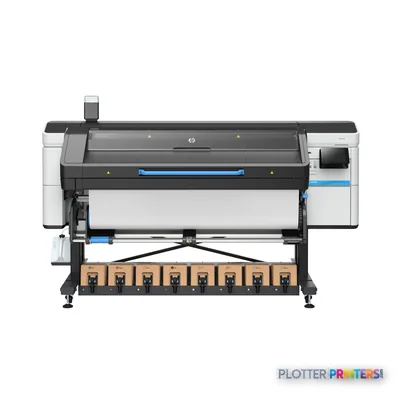
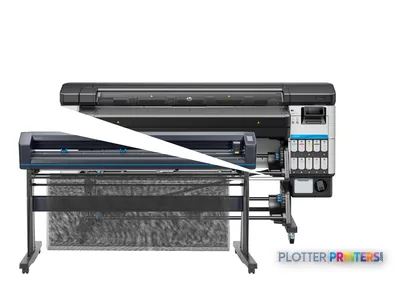
- HP Latex 830
Category leaders best latex signage printers, by dimension
Verified specifications
The specs that decide it
| Maximum media width | 64 in (1625 mm)manufacturer-verified |
|---|---|
| Print resolution | 1200 x 1200 dpimanufacturer-verified |
| Print speed (HP-quoted modes) | 14 m²/hr and 23 m²/hr (plus more modes)manufacturer-verified |
| Ink system | 7 HP Latex water-based inks, 7 printheadsmanufacturer-verified |
| Color calibration | i1 embedded spectrophotometer + HP Custom Substrate Profilingmanufacturer-verified |
| Roll width range | 16.5 in to 64 in (420–1625 mm)manufacturer-verified |
| Media thickness | up to 0.2 in (5 mm)manufacturer-verified |
| Connectivity | Gigabit Ethernet (1000Base-T)manufacturer-verified |
| Operating power consumption | 4 kW (85 W ready, <3 W sleep)manufacturer-verified |
| Weight | 551.2 lb (250 kg) / 793.7 lb (360 kg)manufacturer-verified |
manufacturer-verified = checked against the manufacturer’s official datasheet, not aggregator data. Everything else is standards-body / catalog data we consider reliable.
Specifications
Full technical detail
Use caseGraphics / Production
Everything that fits the HP Latex 360
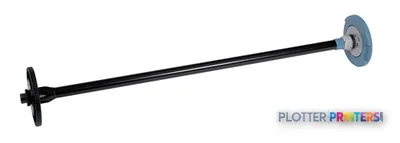
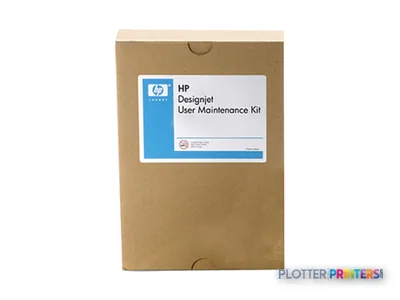
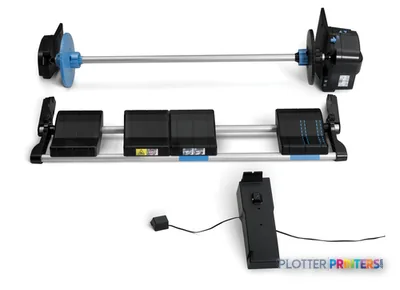
The full supplies hub lists every cartridge, printhead, roll and accessory verified against the manufacturer's own documentation for this machine.
23 ink cartridges · 4 printheads · 12 paper & media items · 7 accessories
HP Latex 360 ink and paper →Supplies
Compatible ink, printheads & media
Genuine consumables that fit the HP Latex 360 Printer — only the cartridges, printheads and media compatible with this model.
Ink Cartridges 23
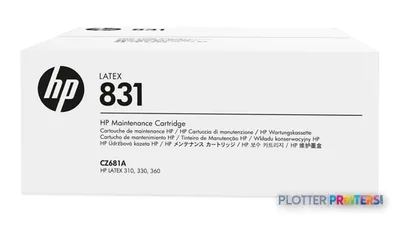 HP 831 Latex Maintenance Cartridge
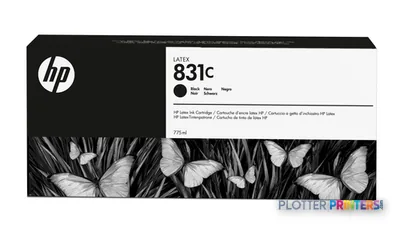 HP 831C 775-ml Black Latex Ink Cartridge
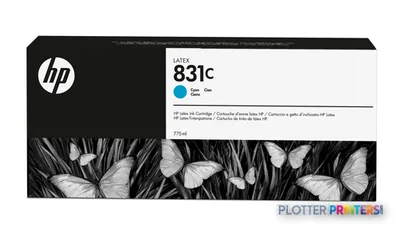 HP 831C 775-ml Cyan Latex Ink Cartridge
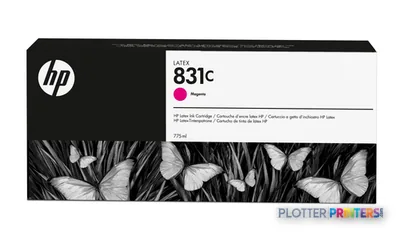 HP 831C 775-ml Magenta Latex Ink Cartridge
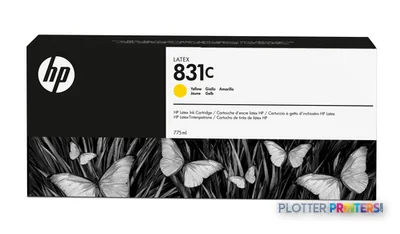 HP 831C 775-ml Yellow Latex Ink Cartridge
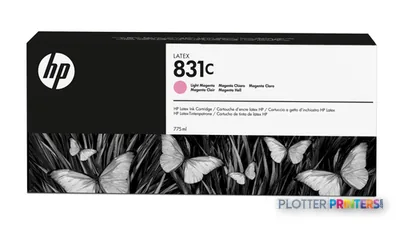 HP 831C 775-ml Light Magenta Latex Ink Cartridge
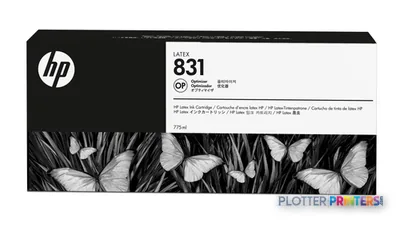 HP 831 775-ml Latex Optimizer Ink Cartridge
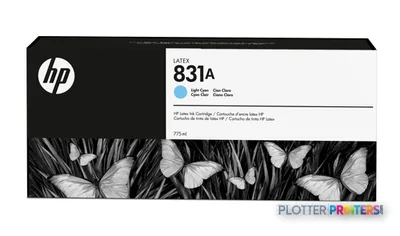 HP 831A 775-ml Light Cyan Latex Ink Cartridge
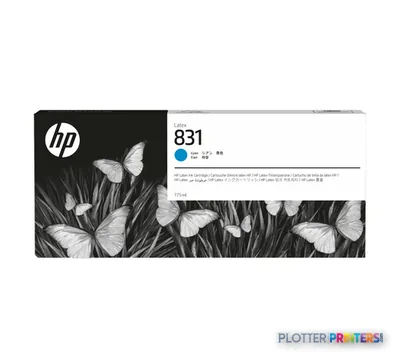 HP 831A 775-ml Cyan Latex Ink Cartridge
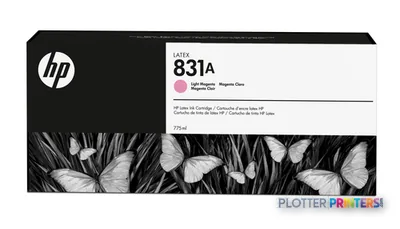 HP 831A 775-ml Light Magenta Latex Ink Cartridge
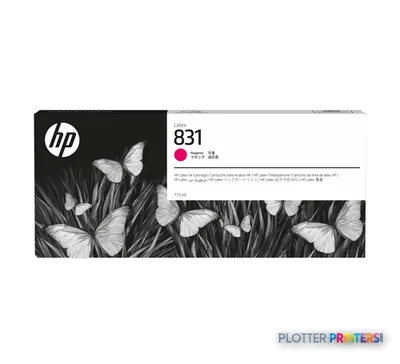 HP 831A 775-ml Magenta Latex Ink Cartridge
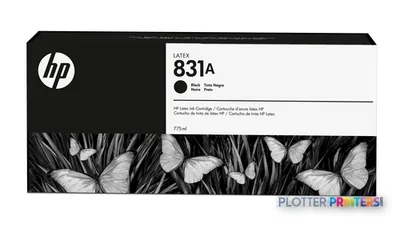 HP 831A 775-ml Black Latex Ink Cartridge
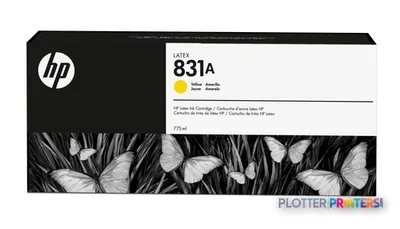 HP 831A 775-ml Yellow Latex Ink Cartridge
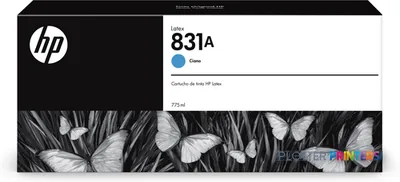 HP 831A 775-ml Cyan Latex Ink Cartridge
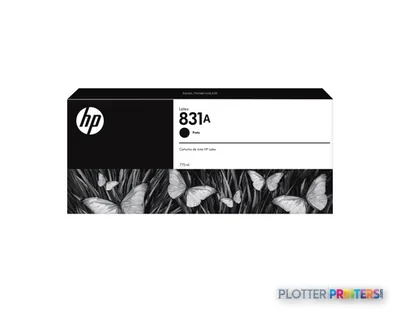 HP 831A 775-ml Black Latex Ink Cartridge
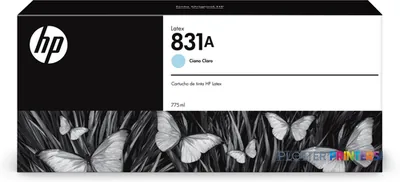 HP 831A 775-ml Light Cyan Latex Ink Cartridge
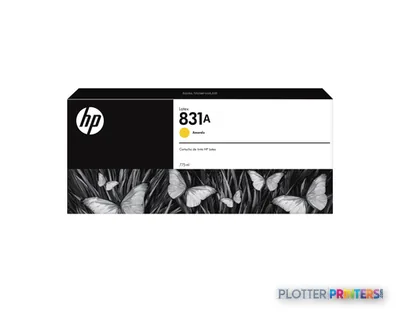 HP 831A 775-ml Yellow Latex Ink Cartridge
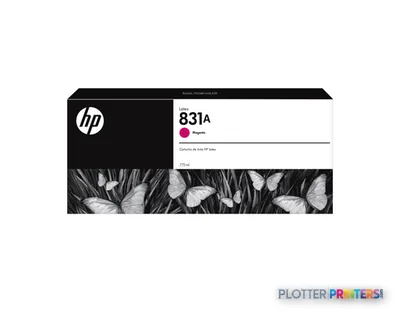 HP 831A 775-ml Magenta Latex Ink Cartridge
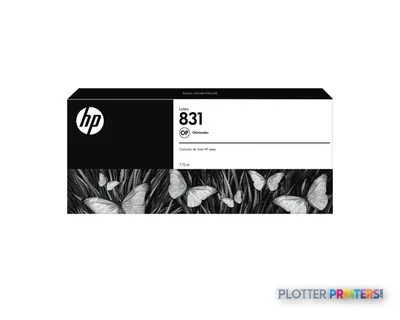 HP 831 775-ml Latex Optimizer Ink Cartridge
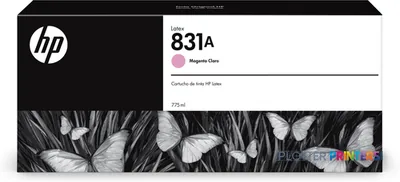 HP 831A 775-ml Light Magenta Latex Ink Cartridge
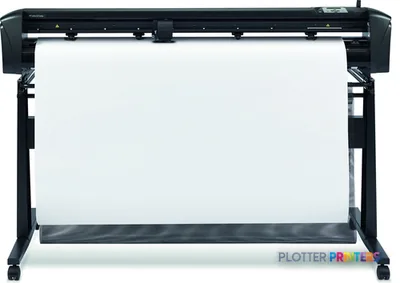 HP Latex 54 Cutting Solution
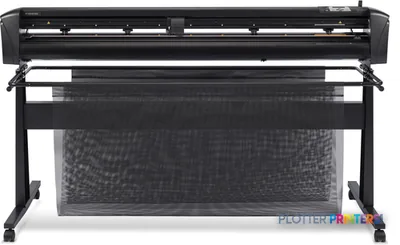 HP Latex 64 Cutting Solution
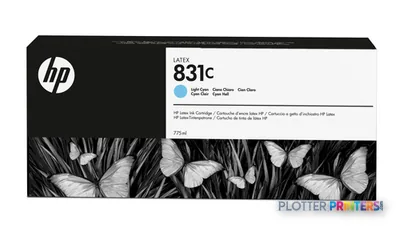 HP 831C 775-ml Light Cyan Latex Ink Cartridge
Printheads 4
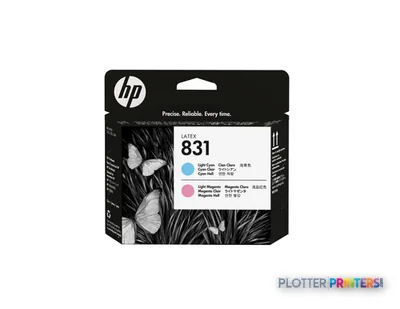
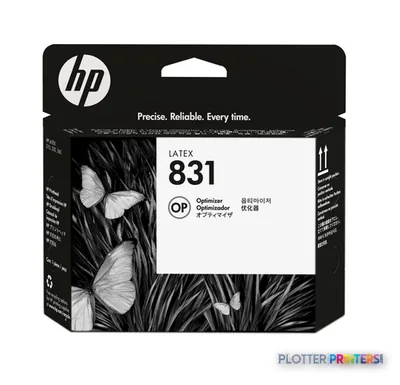
Paper & Media 12
 Representative image16 mil Water-Resistant Opaque Scrim VinylRepresentative image16 Mil WR Opaque Scrim Vinyl (3″ AC)Representative image15 Mil Water-Resistant Econo Scrim VinylRepresentative image11 Mil Water-Resistant Synthetic BannerRepresentative image10 Mil Solvent Printable PolycarbonateRepresentative image180gsm Solvent Satin PE PaperRepresentative image15 Mil Polycarbonate LaminateRepresentative image15 Mil Textured Co-polymer LaminateRepresentative image200gsm Special Matte Photo PaperRepresentative image10 Mil Water-resistant Blockout Display FilmRepresentative image10 Mil Solvent Blockout Display FilmRepresentative image10 Mil White Opaque Backer
Questions
Straight answers
Can the HP Latex 360 print architectural drawings and permit sets?
It physically can print on paper up to 64 inches wide, but it isn’t designed for document work. Our spec-derived fit for a field office is only 40/100, and its speeds are quoted as area-per-hour graphics ratings rather than plots-per-hour. The Latex 360 is built for color signage and display output — banners, boards, maps and renderings — so a dedicated document plotter is a better tool for bid sets, permit sets and daily revisions.
Does it have a built-in scanner for copying or archiving drawings?
No. The Latex 360 is a printer only, with no integrated scanner on file. That’s the main reason its as-builts and archives score is just 23/100. If you want to use it anywhere near a redline-to-record-drawing workflow, you’d need to add a separate wide-format scanner and treat scanning and printing as two independent steps, which makes it an awkward fit for capture-heavy archive work.
What media and roll sizes does the Latex 360 handle?
HP lists a wide substrate range: banners, self-adhesive vinyl, film, textile, paper, wallcovering, canvas, synthetic materials and mesh. Roll width runs from 16.5 to 64 inches, with maximum roll diameter of 9.8 in (250 mm), length up to 328.1 ft (100 m), roll weight up to 121.3 lb (55 kg), and media thickness up to 0.2 in (5 mm). That range is well suited to display and presentation output.
How does the Latex 360 compare to the Latex 330 and 310?
All three share the same HP Latex water-based ink platform. The Latex 330 is a close 64-inch sibling positioned a step up in the same family, while the Latex 310 is the narrower, lighter-duty entry point for smaller shops or lower volume. Larger platforms like the Latex 3000 and Latex 820 (Scitex LX820) are industrial-scale machines aimed at high-throughput sign production, generally more than an AEC firm needs.
Is the HP Latex 360 still a current product I can buy new?
The record shows a May 2014 launch and an April 2017 end-of-life date, so the honest read is to treat it as a discontinued platform rather than a current new-purchase option. Many units remain in service. If you’re considering a used one, confirm printhead condition, service history, and — importantly — that parts, ink and local dealer support are still available for an end-of-life model.
What are the space and power requirements?
This is a large production machine. HP lists it at about 100.8 in (2560 mm) wide, 31.2 in (792 mm) deep and 55.9 in (1420 mm) tall, with weight figures of 551.2 lb (250 kg) and 793.7 lb (360 kg) depending on configuration. Operating power draw is quoted at 4 kW because of the ink-curing element, dropping to 85 W ready and under 3 W in sleep. Plan for a dedicated production room, not an office corner.
Ready to put the HP Latex 360 to work?
Configuration, media and a quote tailored to your workflow — from AEC plotter specialists.