
Home / Wide-Format Printers / HP Latex
HP · Wide-Format Plotter
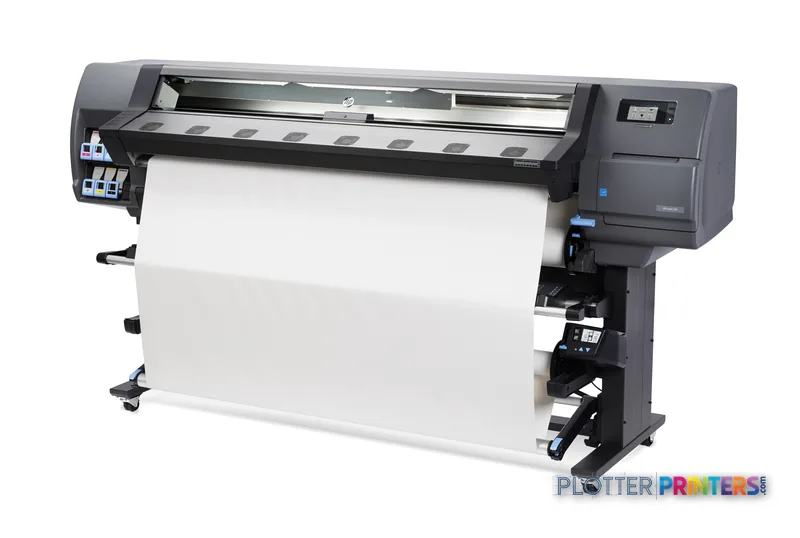
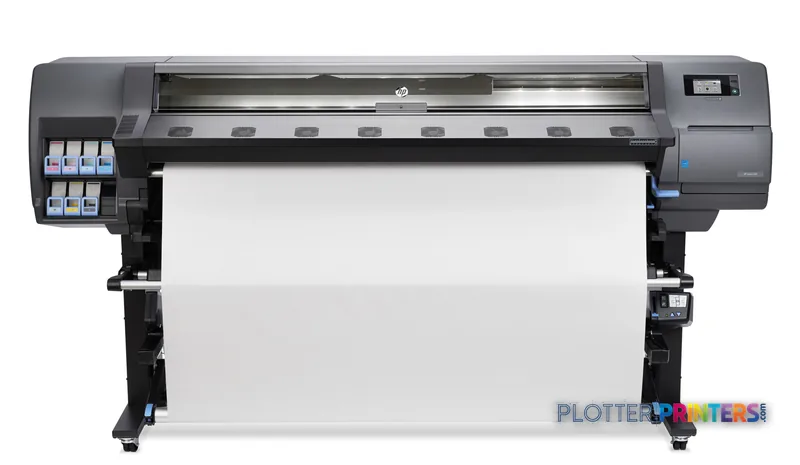
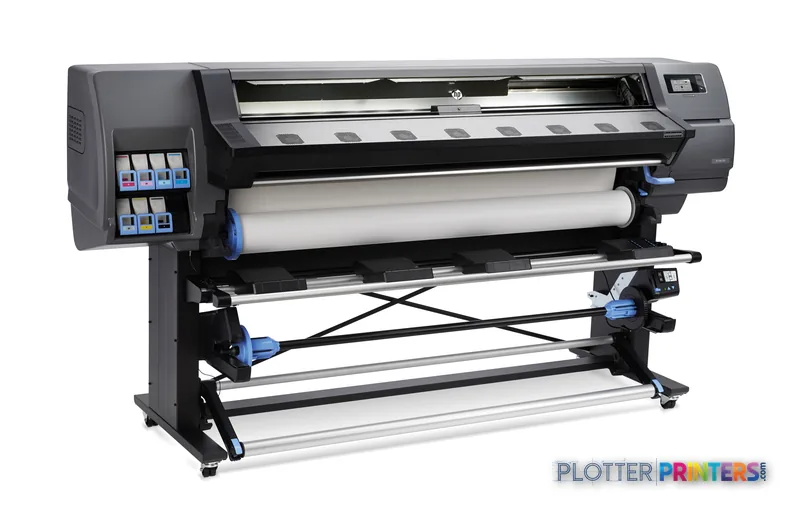
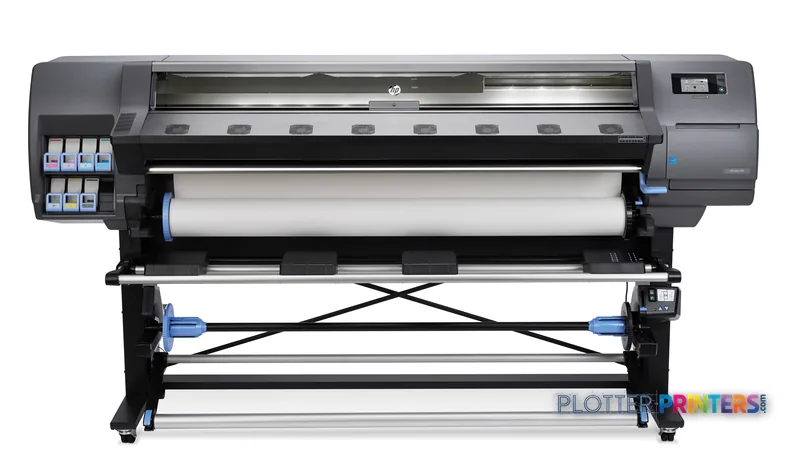
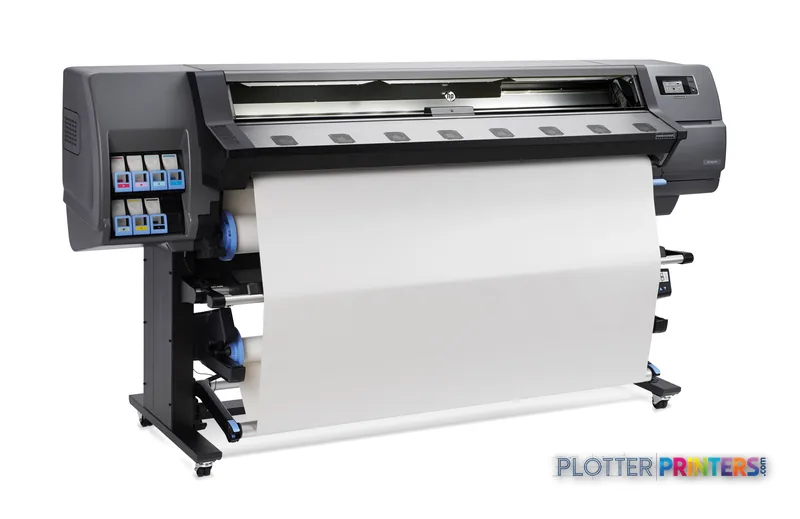
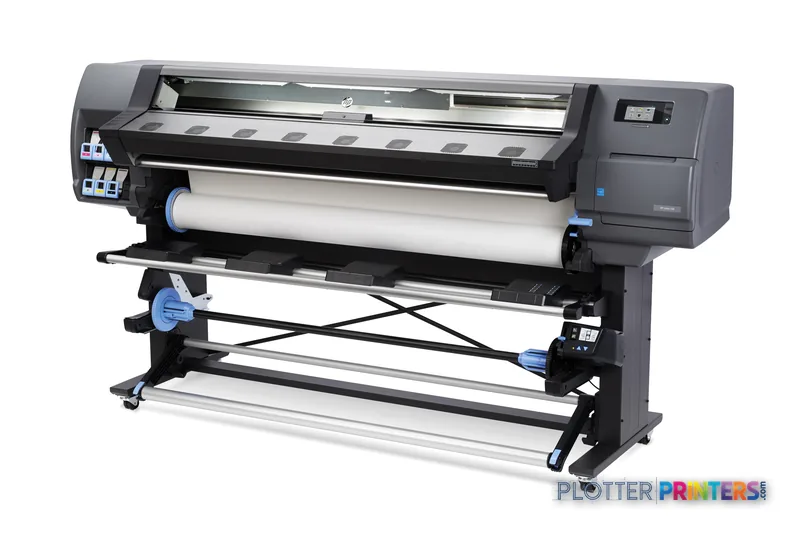
HP Latex 330
64" latex signage printer
- ModelLatex 330
- Prints64" wide
Authorized HP dealerGenuine hardware & ink
Manufacturer warrantyExtension plans available
Free shippingContinental U.S.
Plotter specialistsAEC experts, not just sellers
Analyst take
- 64-in (1625 mm) water-based HP Latex printer built for graphics and soft signage, not line-work plotting.
- Scores low for core AEC use: 39/100 field office, 23/100 as-builts — no integrated scanner.
- Seven inks, seven printheads, 1200 x 1200 dpi; HP rates graphics modes at 14 and 23 m²/hr among others.
Not sure if the Latex 330 is right for you?
Compare key specs and an AI analyst read-out against similar models.
Overview
Built for the work
HP Latex 330 Printer
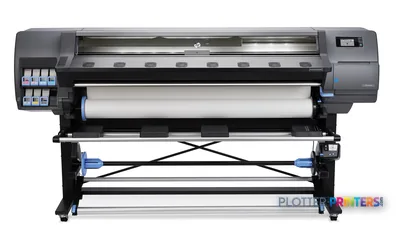
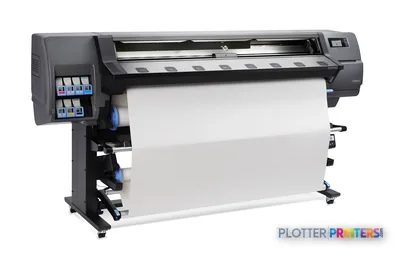
Expert analysis
What you should know

Key takeaways
- 64-in (1625 mm) water-based HP Latex printer built for graphics and soft signage, not line-work plotting.
- Scores low for core AEC use: 39/100 field office, 23/100 as-builts — no integrated scanner.
- Seven inks, seven printheads, 1200 x 1200 dpi; HP rates graphics modes at 14 and 23 m²/hr among others.
- Strong color control: i1 built-in spectrophotometer and tight print-permanence spec (≤ 1 dE2000 average).
- 775 ml cartridges and a shared ink platform favor steady color volume; penalizes light, sporadic use.
- End of life 2017-04-28 — new supply is gone; any purchase is used/refurbished with a one-year hardware warranty.
- Best fit is a presentation, environmental-graphics or marketing studio adjacent to AEC — pair with a scanner for as-builts.
Picture the last time your permit set was ready, the deadline was tomorrow morning, and someone in the office started pricing a wide-format device. If the person doing the pricing came from the signage or graphics side of the business, there’s a fair chance the HP Latex 330 landed on the shortlist. It is a capable 64-inch machine — but it is a machine built for a fundamentally different job than plotting bid sets and D-size details. Understanding that distinction up front will save an AEC buyer a great deal of frustration.
The HP Latex 330 is a 64-inch (1625 mm) wide-format printer that lays down water-based HP Latex ink and cures it with heat. According to HP’s datasheet it runs a seven-ink set — black, cyan, light cyan, light magenta, magenta, yellow, plus an HP Latex optimiser — across seven printheads at 1200 x 1200 dpi. HP positions it for banners, self-adhesive vinyl, film, textiles, paper, wallcovering, canvas, synthetic material and mesh. In other words, this is a display-graphics and soft-signage engine, and every design decision inside it reflects that intended use.
Who it’s actually for
On our spec-derived scoring, the Latex 330 lands low for the core AEC workflows: 39/100 for field-office duty and 23/100 for as-builts and archives. Those numbers aren’t a knock on build quality — they reflect fit. The as-builts caveat is the clearest signal: there is no integrated scanner, so the redline-to-record loop that defines as-built work would require pairing it with a separate wide-format scanner. That’s a real workflow gap for any firm whose day revolves around marking up prints and capturing them back into the record set.
Where this printer earns its keep is adjacent to AEC rather than inside it. A larger architecture practice with an in-house presentation studio, a design-build firm producing rendered boards, environmental-graphics and wayfinding work, or a marketing group generating vinyl banners and event signage — those are the users who benefit from a latex platform. If your output is mostly monochrome plots on bond, this machine is the wrong tool. If a meaningful share of your work is color, on coated or flexible media, and headed for a wall or a trade-show booth, the conversation changes.
What the verified data says
The headline numbers are straightforward. Media width tops out at 64 in (1625 mm) and goes down to 16.5 in (420 mm), with a maximum roll diameter of 9.8 in (250 mm) and media thickness up to 0.2 in (5 mm). Resolution is 1200 x 1200 dpi. HP publishes several throughput figures — among them 14 m²/hr and 23 m²/hr, with additional mode-dependent values in the datasheet — expressed in square meters per hour, the standard yardstick for graphics production rather than the drawings-per-hour metric an AEC print room thinks in. Treat those as HP’s ratings for graphics modes, not as productive plotting speed for line work.
Color control is genuinely strong for the class: HP specifies an i1 built-in spectrophotometer with HP Custom Substrate Profiling, and rates print permanence at an average of ≤ 1 dE2000 with 95% of colors ≤ 2 dE2000 — meaningful for anyone who needs consistent color across reprints of the same board. Connectivity is Gigabit Ethernet (1000Base-T). Note there is no scanner and, in the verified dossier, no separate memory or advanced security specification to report — so those are items to confirm rather than assume.
Ink and media economics
The Latex 330 uses 775 ml ink cartridges, which is a production-scale supply size, and it shares its ink platform with roughly ten other HP Latex machines including the Latex 310, Latex 360, and several Print and Cut solutions. That shared platform matters for consumables continuity. Our scoring rates ink economy very highly (91/100), which reflects the large cartridge format and the cost structure of latex consumables at volume. I’ll keep that qualitative — no per-print or yield figure is in the verified data, so I won’t manufacture one. The practical takeaway: this architecture rewards steady color volume and penalizes light, sporadic use, where optimiser and printhead maintenance overhead weigh more heavily per page.
Media handling is roll-fed and built for flexible substrates. The 5 mm thickness ceiling and roll-only path mean this is not a device for rigid boards or a general office cut-sheet workflow.
How it compares
Within its scored cohort, the natural step up is the HP Latex 360 — also 64 in and on the same ink platform — which sits above the 330 in HP’s 300-series and is the choice when a shop needs higher productivity and more automation from the same media and ink ecosystem. The HP Latex 310 is the lighter sibling for lower-volume graphics work. At the industrial end, the HP Latex 3000 and the HP Latex 820 (Scitex LX820) are large production platforms aimed at print service providers running continuous graphics volume — well beyond what an AEC firm would justify. For anyone comparing strictly within this family, the decision is essentially volume and automation: 310 for lighter loads, 330 as the mid-point, 360 when throughput needs to climb.
Width and variant notes
This model is sold only in the 64-inch width, so there is no narrower or wider variant of the same machine to weigh.
Lifecycle and procurement
This is the point that should shape any purchase decision. HP’s lifecycle data shows the Latex 330 on market from 2014-05-01 with an end-of-life date of 2017-04-28. That means new-unit availability through normal channels is effectively gone, and any acquisition would be used, refurbished or new-old-stock. The warranty on record is a one-year hardware warranty, which for an end-of-life platform tells you to scrutinize what service coverage a seller can actually stand behind today. The saving grace is the shared ink platform: because current Latex machines use the same supplies, consumable availability is in better shape than the model’s age alone would suggest. Confirm printhead and maintenance-part availability specifically before committing.
What we could not verify
Several items a serious buyer should confirm independently are not in the verified dataset. There is no stated duty cycle or recommended monthly volume, so right-sizing has to come from the seller. We have no independent lab testing or field reviews on file for this unit, so real-world throughput on your media and profiles is unknown until tested. Memory, RIP/software bundling, and any user-authentication or job-accounting features are not documented here. And no current price is on file, so treat any quote you receive on its own merits.
Spec analysis
How the specs grade
Overall performance
—Not enough data for an overall score
Individual dimensions are shown where the specs support them.
- This printer
- HP Latex 830
Category leaders best latex signage printers, by dimension
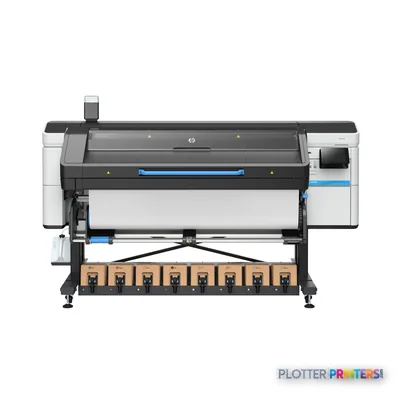
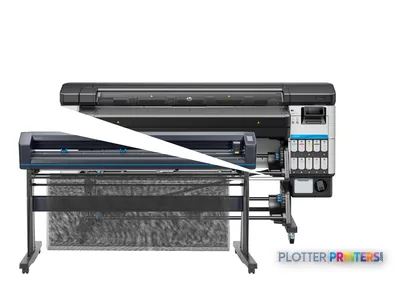
Verified specifications
The specs that decide it
| Max media width | 64 in (1625 mm)manufacturer-verified |
|---|---|
| Min media width | 16.5 in (420 mm)manufacturer-verified |
| Print resolution | 1200 x 1200 dpimanufacturer-verified |
| Ink set | 7 inks (black, cyan, light cyan, light magenta, magenta, yellow, HP Latex optimiser)manufacturer-verified |
| Ink cartridge capacity | 775 mlmanufacturer-verified |
| Print speed (HP-rated, graphics modes) | 14 m²/hr and 23 m²/hr (plus more modes)manufacturer-verified |
| Color calibration | i1 built-in spectrophotometer with HP Custom Substrate Profilingmanufacturer-verified |
| Connectivity | Gigabit Ethernet (1000Base-T)manufacturer-verified |
| Max media thickness / roll diameter | 0.2 in (5 mm) / 9.8 in (250 mm)manufacturer-verified |
| Warranty | One-year hardware warrantymanufacturer-verified |
manufacturer-verified = checked against the manufacturer’s official datasheet, not aggregator data. Everything else is standards-body / catalog data we consider reliable.
Specifications
Full technical detail
Use caseGraphics / Production
Everything that fits the HP Latex 330
The full supplies hub lists every cartridge, printhead, roll and accessory verified against the manufacturer's own documentation for this machine.
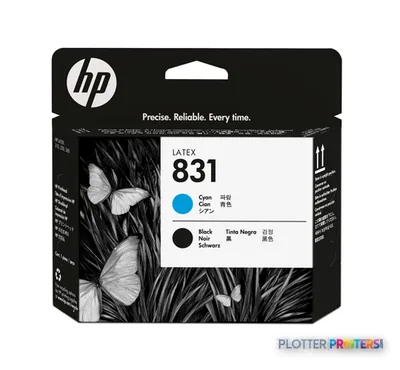
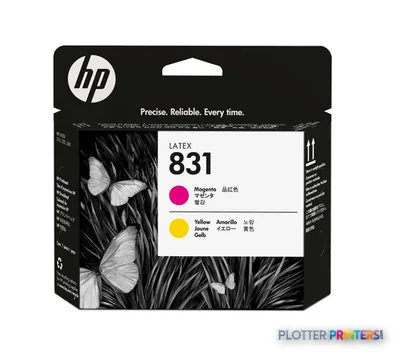
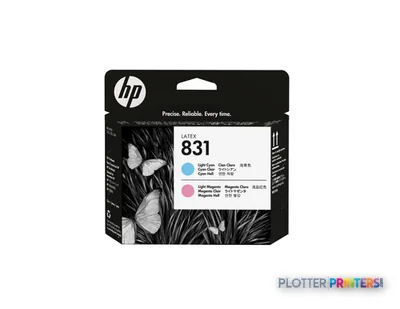
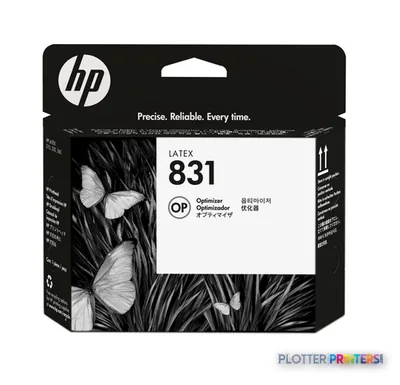
24 ink cartridges · 4 printheads · 12 paper & media items · 4 accessories
HP Latex 330 ink and paper →Supplies
Compatible ink, printheads & media
Genuine consumables that fit the HP Latex 330 Printer — only the cartridges, printheads and media compatible with this model.
Ink Cartridges 24
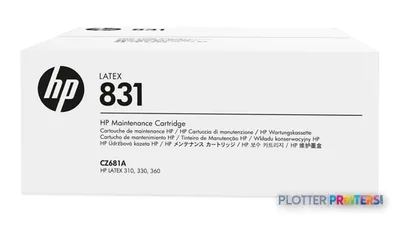 HP 831 Latex Maintenance Cartridge
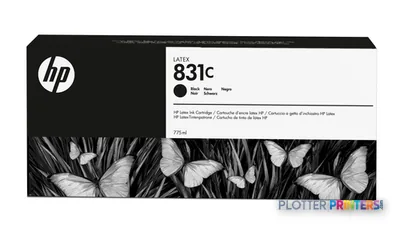 HP 831C 775-ml Black Latex Ink Cartridge
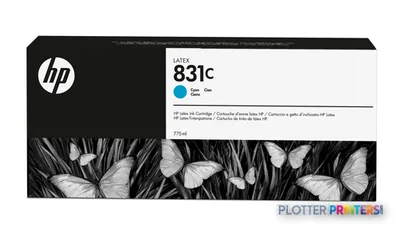 HP 831C 775-ml Cyan Latex Ink Cartridge
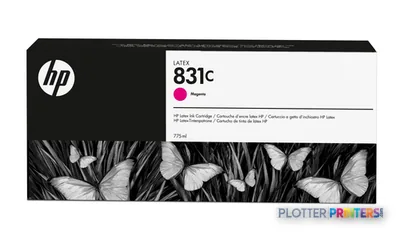 HP 831C 775-ml Magenta Latex Ink Cartridge
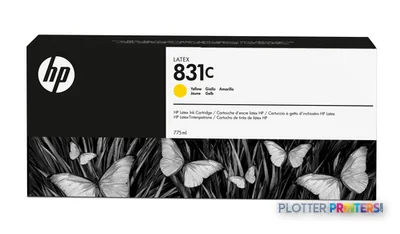 HP 831C 775-ml Yellow Latex Ink Cartridge
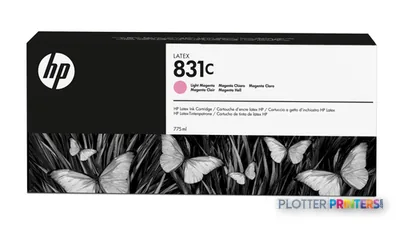 HP 831C 775-ml Light Magenta Latex Ink Cartridge
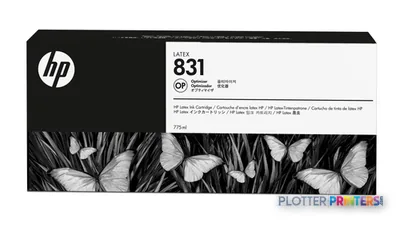 HP 831 775-ml Latex Optimizer Ink Cartridge
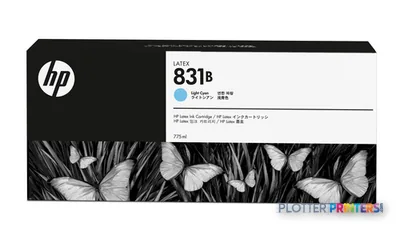 HP 831B 775-ml Light Cyan Latex Ink Cartridge
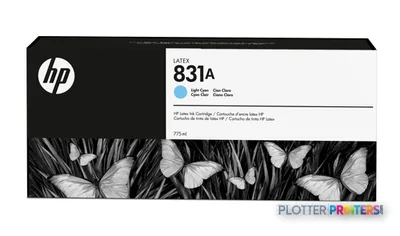 HP 831A 775-ml Light Cyan Latex Ink Cartridge
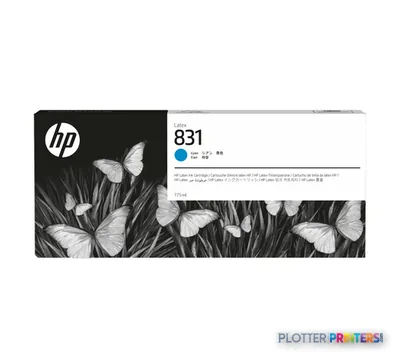 HP 831A 775-ml Cyan Latex Ink Cartridge
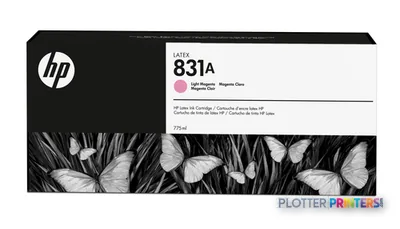 HP 831A 775-ml Light Magenta Latex Ink Cartridge
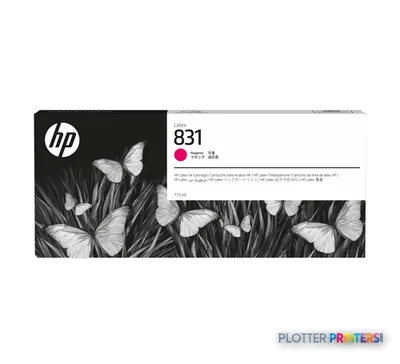 HP 831A 775-ml Magenta Latex Ink Cartridge
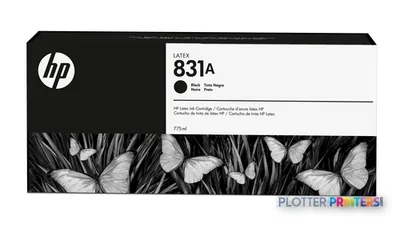 HP 831A 775-ml Black Latex Ink Cartridge
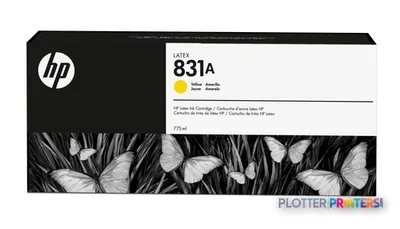 HP 831A 775-ml Yellow Latex Ink Cartridge
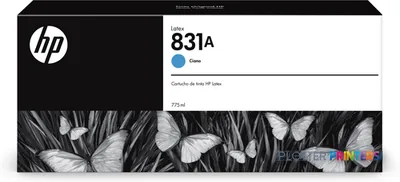 HP 831A 775-ml Cyan Latex Ink Cartridge
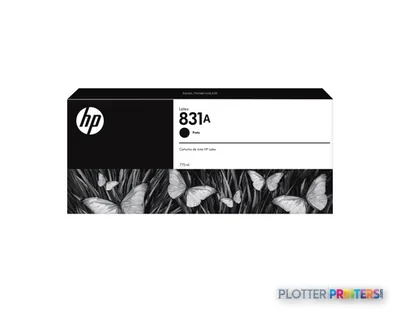 HP 831A 775-ml Black Latex Ink Cartridge
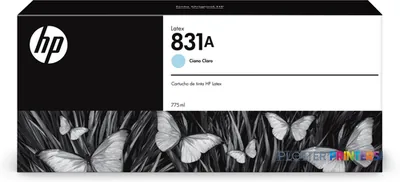 HP 831A 775-ml Light Cyan Latex Ink Cartridge
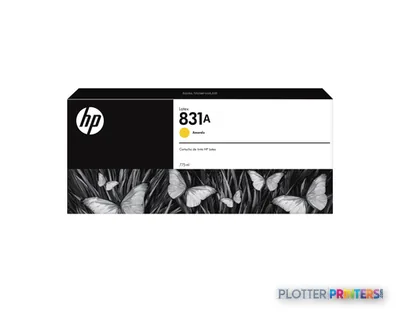 HP 831A 775-ml Yellow Latex Ink Cartridge
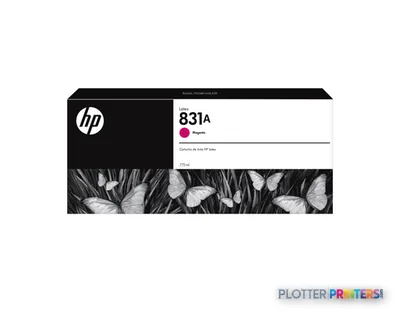 HP 831A 775-ml Magenta Latex Ink Cartridge
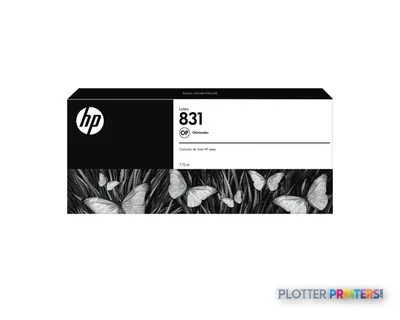 HP 831 775-ml Latex Optimizer Ink Cartridge
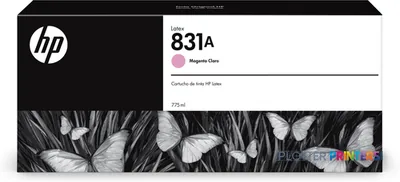 HP 831A 775-ml Light Magenta Latex Ink Cartridge
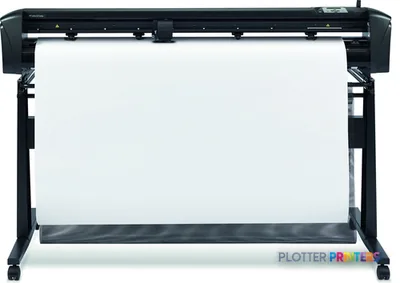 HP Latex 54 Cutting Solution
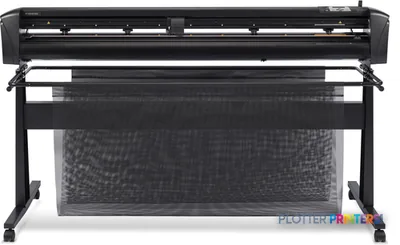 HP Latex 64 Cutting Solution
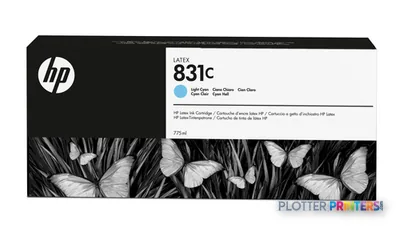 HP 831C 775-ml Light Cyan Latex Ink Cartridge
Printheads 4
Paper & Media 12
 Representative image16 mil Water-Resistant Opaque Scrim VinylRepresentative image16 Mil WR Opaque Scrim Vinyl (3″ AC)Representative image15 Mil Water-Resistant Econo Scrim VinylRepresentative image11 Mil Water-Resistant Synthetic BannerRepresentative image10 Mil Solvent Printable PolycarbonateRepresentative image180gsm Solvent Satin PE PaperRepresentative image15 Mil Polycarbonate LaminateRepresentative image15 Mil Textured Co-polymer LaminateRepresentative image200gsm Special Matte Photo PaperRepresentative image10 Mil Water-resistant Blockout Display FilmRepresentative image10 Mil Solvent Blockout Display FilmRepresentative image10 Mil White Opaque Backer
Questions
Straight answers
Can the HP Latex 330 print architectural and engineering drawings?
Physically it can print on paper up to 64 in wide at 1200 x 1200 dpi, but it is designed as a color graphics and soft-signage engine, not a line-work plotter. Our spec-derived scoring rates it 39/100 for field-office duty. If your workload is mostly monochrome bond plots, this is the wrong tool; if you produce color presentation boards or vinyl graphics, it becomes relevant.
Does it handle as-built and redline workflows?
Not on its own. The Latex 330 has no integrated scanner, so the mark-up-and-capture loop that defines as-built work would require pairing it with a separate wide-format scanner. That gap is the main reason it scores just 23/100 for as-builts and archives in our assessment. Firms centered on record drawings should look at a dedicated wide-format multifunction system instead.
Is the HP Latex 330 still available new?
Effectively no. HP’s lifecycle data lists it on market from 2014-05-01 with an end-of-life date of 2017-04-28, so new units through normal channels are gone. Any acquisition would be used, refurbished or new-old-stock. The listed warranty is a one-year hardware warranty; on an end-of-life platform, confirm exactly what service coverage a seller can back today before committing.
Will I still be able to get ink and parts?
The outlook is reasonable because the Latex 330 shares its ink platform with roughly ten other HP Latex machines, including the current Latex 310 and Latex 360. That shared ecosystem keeps consumables more available than the model’s age would suggest. Confirm printhead and maintenance-part availability specifically, since those are the items most likely to be constrained on an older platform.
How does it compare to the HP Latex 360?
Both are 64-in machines on the same ink platform. The Latex 360 sits above the 330 in HP’s 300-series and is the choice when a shop needs higher productivity and more automation from the same media and ink ecosystem. The 330 is the mid-point; the lighter Latex 310 suits lower-volume graphics. The decision within this family is essentially about volume and automation.
What media and roll sizes does it support?
It is roll-fed, taking widths from 16.5 in (420 mm) up to 64 in (1625 mm), a maximum roll diameter of 9.8 in (250 mm) and media thickness up to 0.2 in (5 mm). HP lists banners, self-adhesive vinyl, film, textiles, paper, wallcovering, canvas, synthetic material and mesh. It is not built for rigid boards or a general cut-sheet office workflow.
Ready to put the HP Latex 330 to work?
Configuration, media and a quote tailored to your workflow — from AEC plotter specialists.