
Home / Wide-Format Printers / HP DesignJet
HP · Wide-Format Plotter
HP DesignJet H35500
54" wide-format inkjet printer
- ModelH35500
- Prints54" wide
Authorized HP dealerGenuine hardware & ink
Manufacturer warrantyExtension plans available
Free shippingContinental U.S.
Plotter specialistsAEC experts, not just sellers
Analyst take
- 54-inch UV-curable inkjet built for signage, display and rigid-substrate graphics — not for plan-set or line-work document production.
- Prints direct to rigid materials up to 1 inch thick, plus rolls 18–54 inches wide on 3-inch cores.
- Six-color ink set (CMYK plus light cyan/light magenta) via 192-nozzle piezo printheads and 1-liter cartridges.
Not sure if the H35500 is right for you?
Compare key specs and an AI analyst read-out against similar models.
Overview
Built for the work
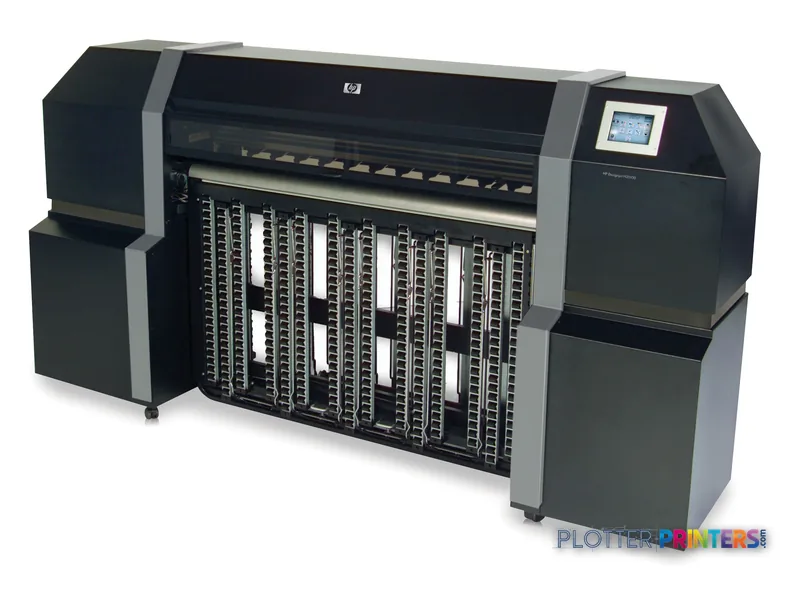
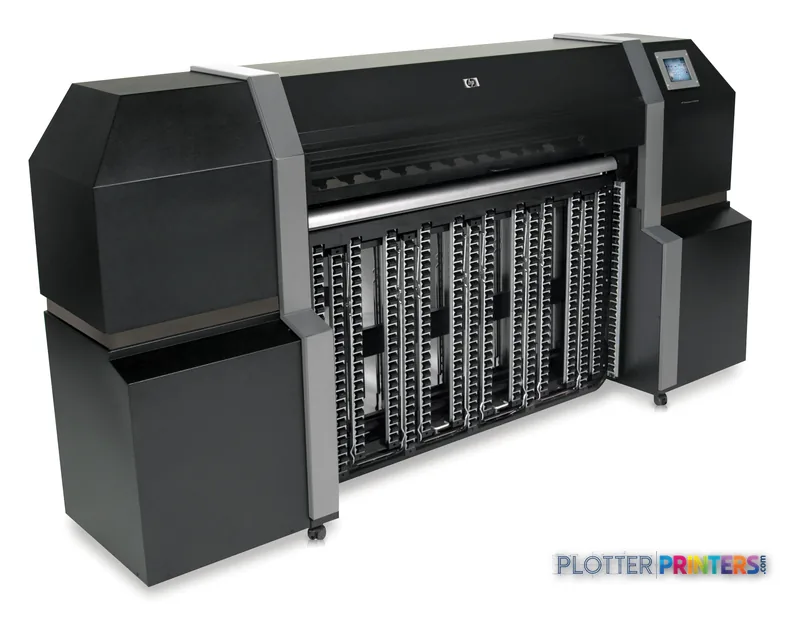
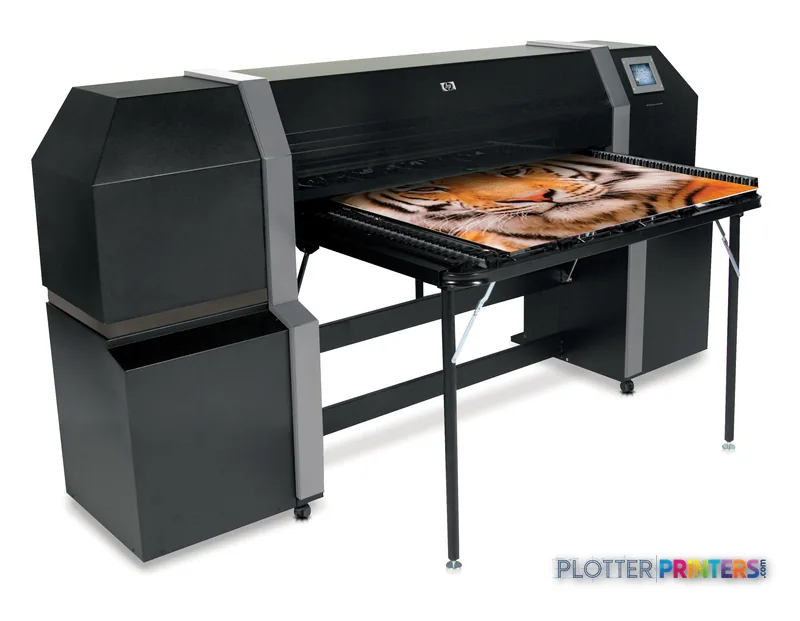
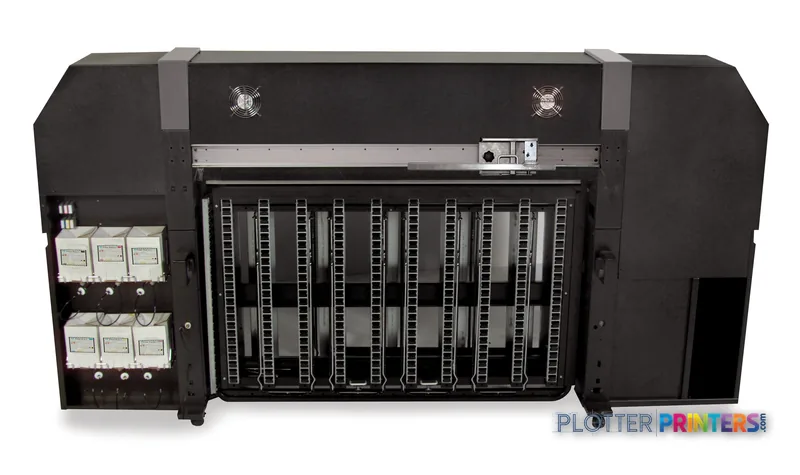
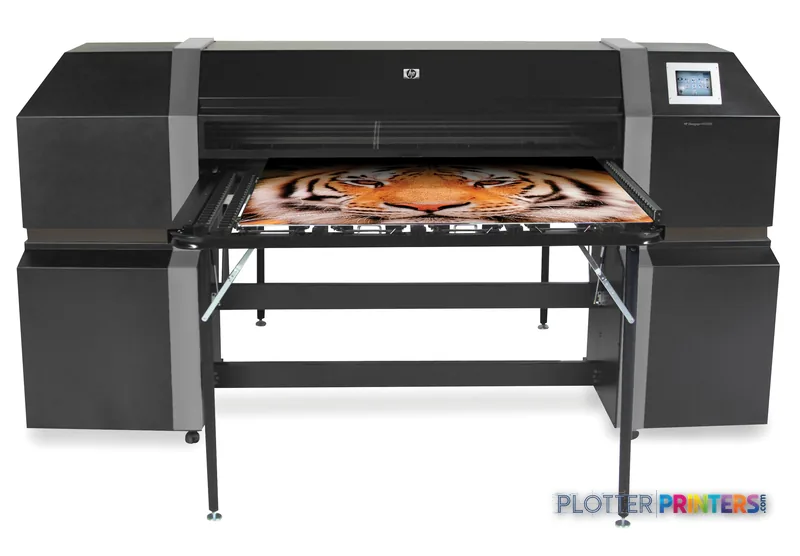
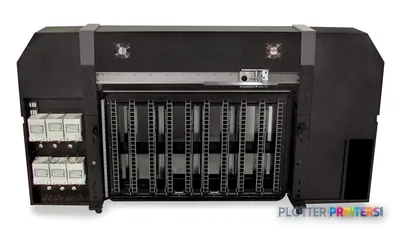
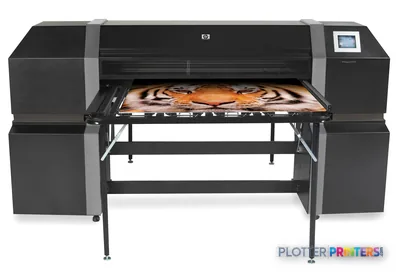
HP DesignJet H35500 EU Printer, Roll-fed materials such as banner vinyl, adhesive vinyl, canvas, paper, and backlit film, CE, Input voltage: 200 to 240 V ac, single phase, 50/60 Hz, 16 A max, CE, 24 to 54 in wide; up to 96 in long, 7-in color touchscreen
Expert analysis
What you should know

Key takeaways
- 54-inch UV-curable inkjet built for signage, display and rigid-substrate graphics — not for plan-set or line-work document production.
- Prints direct to rigid materials up to 1 inch thick, plus rolls 18–54 inches wide on 3-inch cores.
- Six-color ink set (CMYK plus light cyan/light magenta) via 192-nozzle piezo printheads and 1-liter cartridges.
- HP rates it from 24 up to 194 square feet per hour across modes; treat the top figure as production draft, not typical output.
- Large and heavy: 108 in wide, 581 lb, requiring a 200–240V, 16A circuit and a controlled shop environment.
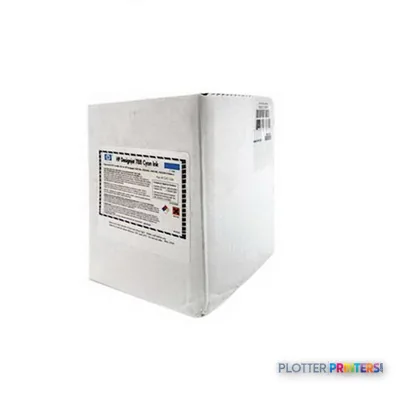
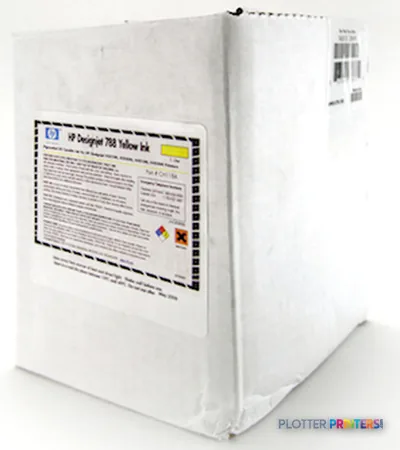
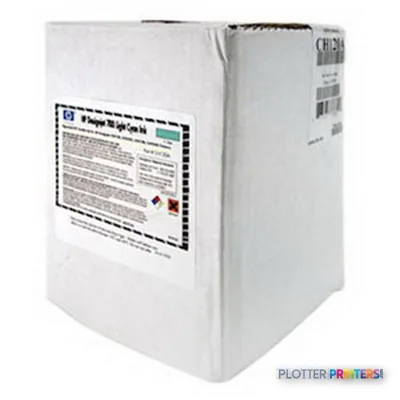
- Shares the HP Designjet 788 ink platform with the H35100, H45100 and H45500 — useful for fleet standardization.
- On market 2009–2011; confirm parts, printhead and ink availability plus a service agreement before buying.
Picture the moment a project moves from the drawing board to the sales suite. The construction documents are printed and coordinated, but now the marketing team wants a full-size rendering board for the lobby, a run of site banners for the groundbreaking, and durable wayfinding signage that will survive months of weather. That is a different problem from plotting a permit set, and it is squarely the problem the HP DesignJet H35500 EU Printer was built to solve. This is not a plan plotter. It is a 54-inch UV-curable inkjet press for graphics and signage, and understanding that distinction is the whole story.
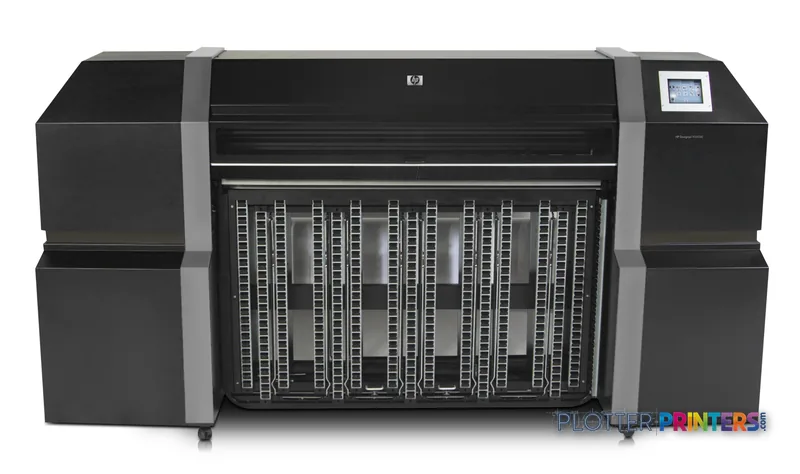
The H35500 uses a reciprocating UV-curable inkjet process, meaning the ink is cured instantly by ultraviolet light as it lays down rather than absorbed or evaporated. That opens the door to substrates a water-based plotter cannot touch: HP’s documentation and the Icecat feed describe banner vinyl, adhesive vinyl, canvas, paper, backlit film, and rigid materials up to 1 inch thick. It prints a six-color set — cyan, magenta, yellow, black, plus light cyan and light magenta — through 192-nozzle variable-drop-size piezo-electric printheads, fed from 1-liter ink cartridges. It is a large, heavy, production-class machine: 108 inches wide, 57.1 inches tall, and 581 pounds, requiring a 200–240V single-phase circuit rated for 16 amps.
Who this machine is actually for
Be clear-eyed about the fit. If your daily work is bid sets, redlines, as-builts and permit drawings on bond, this is the wrong tool — a UV-curable graphics platform is overbuilt and mismatched for line-work document production, and there are far more appropriate plotters for that. Where the H35500 earns its place is in the display and signage side of AEC work.
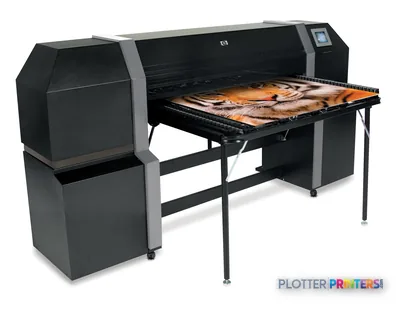
That means a firm or department producing full-size presentation and rendering boards, project signage and site hoardings, backlit developer displays, adhesive graphics for showrooms and sales centers, or durable indoor/outdoor wayfinding. The ability to print directly onto rigid stock up to 1 inch thick is the differentiator here: a graphics shop attached to an architecture practice, a large developer’s in-house marketing group, or a commercial reprographics provider expanding beyond paper are the natural homes. Because it handles rolls from 18 to 54 inches wide and rigid boards alike, one machine can cover soft signage and mounted display work without a separate laminate-and-mount step for many jobs.
What the verified data tells us
The maximum media width is 54 inches, with a minimum roll width of 18 inches and standard 3-inch cores. Custom sizes run from 24 to 54 inches wide and, per Icecat, up to 96 inches long, while HP’s own datasheet lists a maximum print length of 98 inches — a minor discrepancy worth confirming against your specific job planning.
On speed, HP quotes several throughput modes. The datasheet cites a top figure of 194 square feet per hour and a low end of 24 square feet per hour, with additional intermediate modes in the underlying specification. Treat that spread the way you would on any wide-format graphics device: the fast number is a draft or production mode, and the slow number reflects higher-quality passes. Real productive output on rigid board work will also depend on load/unload time, curing, and operator handling — none of which the headline square-footage figure captures. HP’s stated speeds are manufacturer claims, not independent measurements.
Operator interaction runs through a 7-inch color touchscreen (Icecat). The dossier notes that HP’s datasheet corrected the certification and safety entries in the Icecat feed to CE, UL, c-UL, FCC-A. Operating environment is specified at 20–30 °C and 20–80% humidity — a reminder that UV-curable production is sensitive to its surroundings and belongs in a controlled shop space, not a general office corner.
Ink and media economics
The H35500 runs on the HP Designjet 788 ink platform, shared with its stablemates the H35100, H45100 and H45500. That shared spine matters for a multi-machine shop: common consumables simplify inventory and let you standardize color across devices. The 1-liter cartridge format is built for volume — large-capacity ink is generally the more economical route on a per-milliliter basis for production graphics, and it reduces how often an operator has to interrupt a run to swap supplies.
The broader economic case for UV-curable printing is direct-to-substrate versatility: printing straight onto rigid board or specialty film can eliminate mounting and, for many outdoor uses, lamination steps that add labor and materials cost. We can’t publish yields or a cost-per-square-foot here because none are in the verified record, and we won’t estimate them. What we can say qualitatively is that this class of machine rewards steady, consistent volume; the running-cost math improves the more you keep it fed, and it looks expensive if it sits idle.
How it compares in its cohort
Within the family, the H35500 sits between the H35100 and the H45-series (H45100 and H45500). These are the appropriate comparisons because they share the 788 ink platform and the same graphics mission; think of the model number as a rough indicator of positioning within the line rather than a plotter-versus-plotter contest. If your work skews toward higher throughput or a different price/performance balance, the H45500 is the sibling to weigh against this one, while the H35100 anchors the lower end. All four share consumables, which lowers the switching friction if you ever mix them in a fleet.
Two other machines appear in the graph context and deserve a boundary drawn around them. The HP DesignJet T1100 MFP (44-inch) and the discontinued Fujitsu M33335 land in the same score cohort by the numbers, but the T1100 MFP is a document/plan-oriented aqueous multifunction device — a genuinely different tool for a different job. If you’re actually deciding between UV signage output and plan-set production, you’re choosing between two categories, not two comparable products. This model is sold only in the 54-inch width, so there is no narrower or wider variant to weigh.
Lifecycle and procurement notes
Buyers should factor in the lifecycle honestly. HP’s records place this generation on market from August 2009 through April 2011. HP describes it as designed to remain in service for the life of the printer, but a machine of this vintage warrants direct confirmation on parts availability, printhead supply, and 788-series ink continuity before you commit. We do not have a live price on file for this unit, and we won’t estimate one — ask any prospective seller for a written quote that includes installation, a controlled-environment site assessment, and a service agreement covering printhead replacement.
What we could not verify
Several buyer-relevant points are simply absent from the verified record and should be confirmed directly. There is no stated monthly duty cycle or recommended volume, no print-resolution figure, and no connectivity or network-security detail beyond the touchscreen. We hold no independent test data or field-reliability reports on this specific model — the speed and media claims here are HP’s own. And because our scoring engine flagged this dossier as insufficient-coverage, the absence of a composite score reflects thin data, not a judgment on the hardware.
Spec analysis
How the specs grade
Overall performance
—Not enough data for an overall score
Individual dimensions are shown where the specs support them.
Verified specifications
The specs that decide it
| Print technology | Reciprocating UV-curable inkjetmanufacturer-verified |
|---|---|
| Maximum roll width | 54 inmanufacturer-verified |
| Minimum roll width | 18 inmanufacturer-verified |
| Rigid media thickness | up to 1 inmanufacturer-verified |
| Print speed (top mode, HP-rated) | 194 sf/hmanufacturer-verified |
| Ink colors | cyan, magenta, yellow, black, light cyan, light magentamanufacturer-verified |
| Ink cartridge capacity | 1 litermanufacturer-verified |
| Printheads | 192-nozzle variable drop size piezo-electricmanufacturer-verified |
| Control panel | 7-in color touchscreen |
| Weight / power | 581 lb; 200–240VAC, 50/60 Hz, 16 A maxmanufacturer-verified |
manufacturer-verified = checked against the manufacturer’s official datasheet, not aggregator data. Everything else is standards-body / catalog data we consider reliable.
Specifications
Full technical detail
Use caseCAD / Technical
Performance
| Certification | CE |
|---|
Paper handling
| Custom media sizes | 24 to 54 in wide; up to 96 in long |
|---|---|
| Media types supported | Roll-fed materials such as banner vinyl, adhesive vinyl, canvas, paper, and backlit film |
Power
| Power requirements | Input voltage: 200 to 240 V ac, single phase, 50/60 Hz, 16 A max |
|---|
Other features
| Safety | CE |
|---|---|
| Control panel | 7-in color touchscreen |
Everything that fits the HP DesignJet H35500
The full supplies hub lists every cartridge, printhead, roll and accessory verified against the manufacturer's own documentation for this machine.
7 ink cartridges · 26 paper & media items · 2 accessories
HP DesignJet H35500 ink and paper →Supplies
Compatible ink, printheads & media
Genuine consumables that fit the HP DesignJet H35500 EU Printer — only the cartridges, printheads and media compatible with this model.
Ink Cartridges 7
Paper & Media 26
 HP Q8684AE printing film
 HP Q8685AE printing film
 HP UV Premium Photobase Paper-1372 mm x 30.5 m (54 in x 100 ft)
 HP Mesh Banner-1067 mm x 25 m (42 in x 82 ft)
 HP CG415A large format media 45.7 m
 HP Photo-realistic Poster Paper-914 mm x 61 m (36 in x 200 ft) large format media Satin
 HP Outdoor Frontlit Scrim Banner-1067 mm x 35 m (42 in x 115 ft)
 HP Outdoor Frontlit Scrim Banner-1372 mm x 35 m (54 in x 115 ft)
 HP HDPE Reinforced Banner-914 mm x 45.7 m (36 in x 150 ft) large format media Matte
 HP CG423A self-adhesive vinyl Permanent High-gloss
 HP CG424A printing film
 HP CG435A large format media
 HP CG439A large format media
 HP CG420A photo paper
 HP CG440A large format media
 HP CG502A photo paper Satin
 HP CG454A printing film
 HP CG453A printing film
 HP DuPont Tyvek Banner-914 mm x 30.5 m (36 in x 100 ft) large format media Semi-gloss
 HP CG449A large format media 25 m High-gloss
 HP CG445A large format media
 HP CG448A large format media 25 m High-gloss
 HP CH001A photo paper
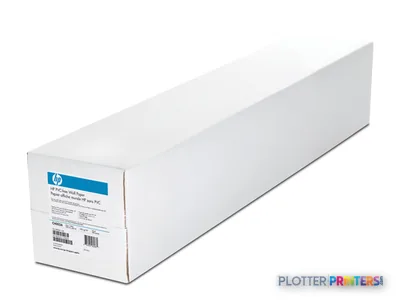 HP CH003A large format media
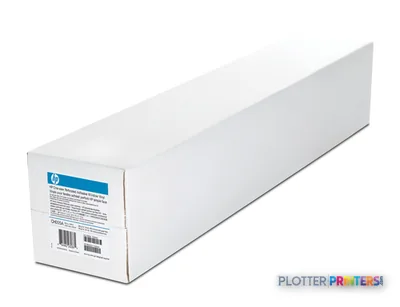 HP CH005A printing film
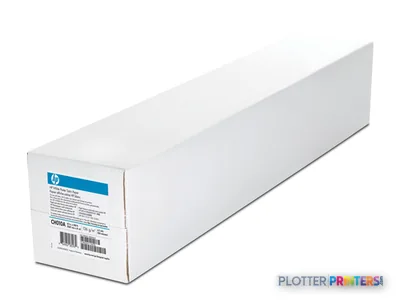 HP CH010A photo paper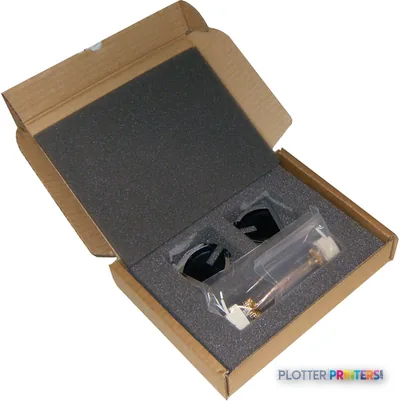
Questions
Straight answers
Is the HP DesignJet H35500 suitable for printing construction drawings and permit sets?
It is not the right tool for that work. The H35500 is a UV-curable graphics and signage printer designed for banners, display boards, adhesive vinyl and rigid substrates. Plan sets, bid documents, redlines and as-builts are better served by an aqueous or LED plan plotter built for line quality and fast bond-paper throughput. Within the graph context, the HP DesignJet T1100 MFP represents that document-oriented category, which is a different class of machine entirely.
What materials can the H35500 print on?
Per HP and the Icecat feed, it handles roll-fed media including banner vinyl, adhesive vinyl, canvas, paper and backlit film, plus rigid materials up to 1 inch thick. Roll widths run from 18 to 54 inches on 3-inch cores, with custom sizes from 24 to 54 inches wide. This direct-to-substrate capability, cured instantly by UV light, is the machine’s core advantage over water-based plotters for signage and display work.
How fast is the H35500?
HP quotes multiple modes, with a top figure of 194 square feet per hour and a low end of 24 square feet per hour, plus additional intermediate speeds in the full specification. These are manufacturer claims, not independent measurements. Real productive output will be lower once you account for loading and unloading rigid boards, curing, and operator handling. Expect the higher speeds to correspond to draft or production quality and the slower ones to finer output.
What ink does it use, and is it shared with other models?
The H35500 runs on the HP Designjet 788 ink platform, using a six-color set — cyan, magenta, yellow, black, light cyan and light magenta — supplied in 1-liter cartridges. That same 788 platform is shared with the HP DesignJet H35100, H45100 and H45500. If you run more than one machine from this family, the common consumables simplify inventory and help keep color consistent across devices. Actual per-print costs and yields are not in our verified record.
What are the space and power requirements?
This is a production-class machine: 108 inches wide, 57.1 inches tall, with depth figures of 27.6 inches (and 81.1 inches noted separately, likely reflecting configuration), weighing 581 pounds. It needs a 200–240V single-phase circuit, 50/60 Hz, rated for 16 amps maximum. It also requires a controlled environment — HP specifies 20–30 °C and 20–80% humidity — so plan for a dedicated shop space rather than an open office.
Is this a current model, and can I still get parts and ink?
HP’s records show this generation was on market from August 2009 through April 2011, and HP describes it as designed to remain in service for the life of the printer. Given its age, confirm parts availability, printhead supply and continuity of the 788-series inks directly with a seller before purchase. We have no live price on file and won’t estimate one — request a written quote covering installation, site assessment and a service agreement including printhead coverage.
Ready to put the HP DesignJet H35500 to work?
Configuration, media and a quote tailored to your workflow — from AEC plotter specialists.