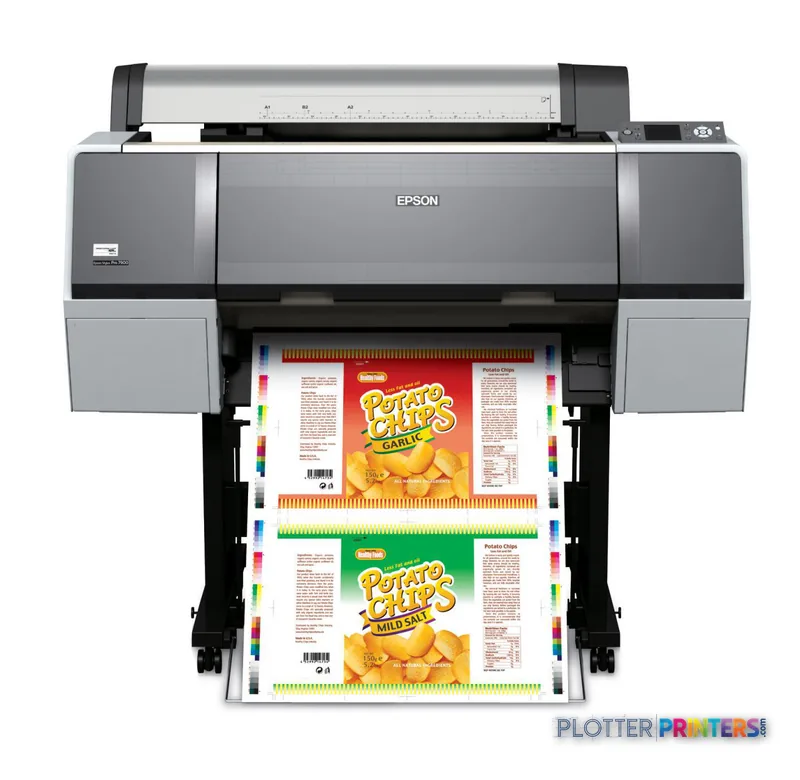
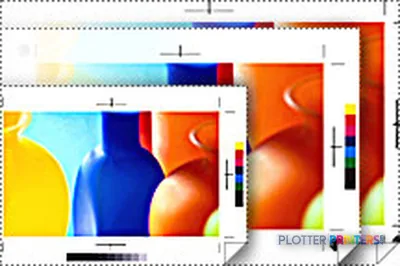
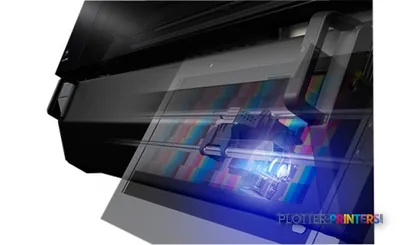
On a coordination drawing, the useful test is not whether color is merely present; it is whether a yellow revision cloud, a cyan utility route, and small black callouts remain distinct on ordinary viewing. The Epson Stylus Pro WT7900 is a 24-inch inkjet printer for teams that need color plans, presentation graphics, maps, and specialty-media output alongside AEC documents.
Its 1440 x 1440 DPI maximum resolution and listed color set give it a more color-oriented role than a conventional monochrome plan device. That makes it worth considering for architecture studios, design groups, survey and GIS teams, and construction offices where visual communication is part of the document set—not just an occasional cover sheet.
Where it fits in an AEC print room
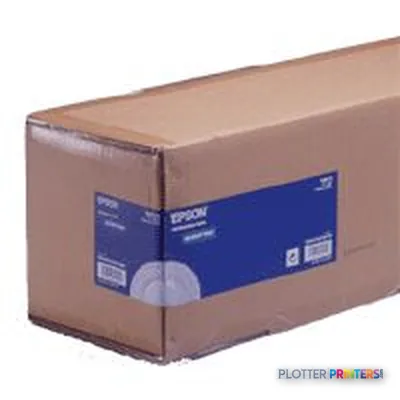
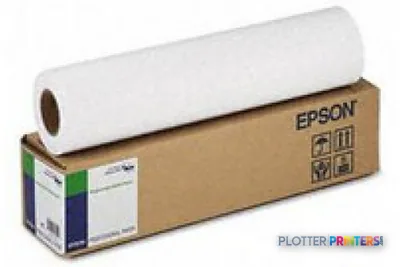
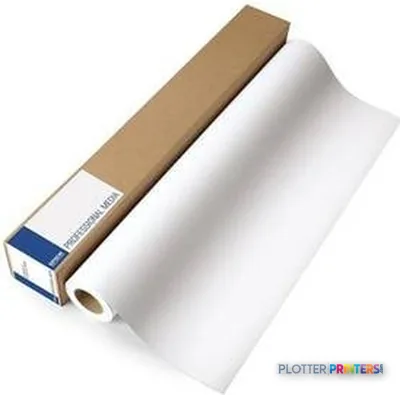
The WT7900 is most persuasive where a single device must render both technical graphics and more visual work. Think permit exhibits with color-coded disciplines, GIS maps, phasing diagrams, interior finish boards, and presentation panels. It accepts roll paper and sheets up to 24 inches wide, with support for A1, A2, A3, A3+, and A4 among its listed ISO sizes. The specified 0.118-inch roll top margin can also matter when a drawing template is built close to the printable edge.
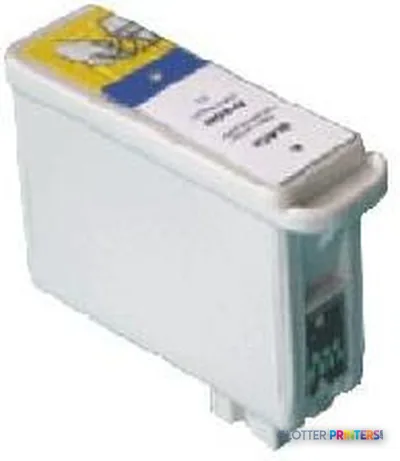
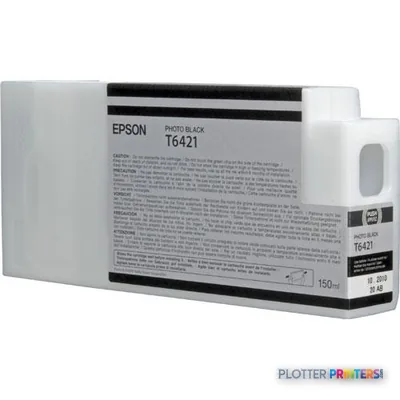
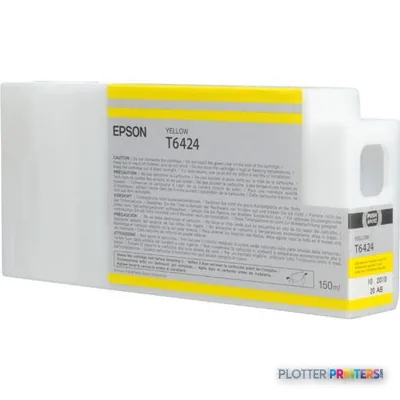
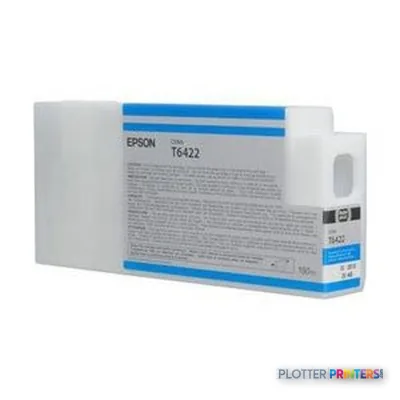
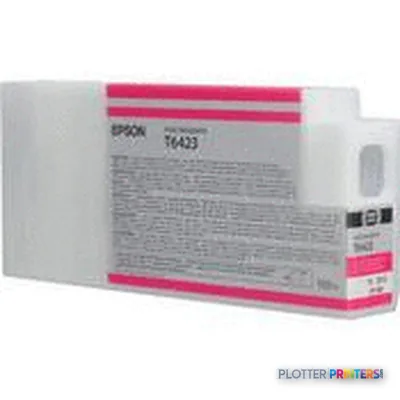
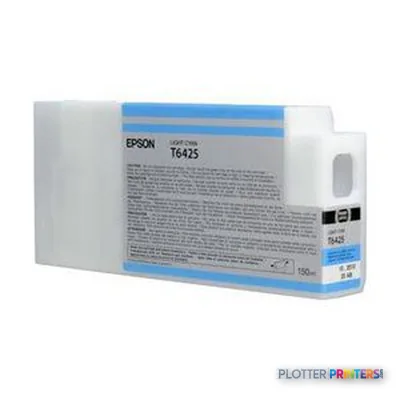
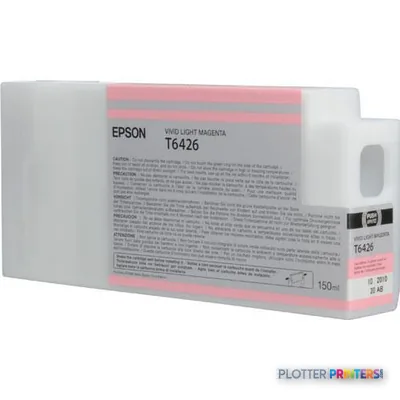
Color capability deserves practical context. The listed inks include black, cyan, light cyan, green, orange, photo black, vivid light magenta, vivid magenta, white, and yellow. That palette suggests a device chosen for color expression and specialty applications rather than simply adding highlights to linework. We do not have measured ICC gamut data for this model, so there is no basis here to claim how faithfully it reproduces a firm’s branded colors or a particular GIS palette. A proof on the intended media remains the sensible check.
Workflow and operating considerations
For connected offices, the machine provides Ethernet LAN and USB Type-B connectivity, but no Wi-Fi. Its 2.48-inch built-in LCD gives the operator a local status point, while 256 MB of internal memory should be considered in the context of the PDFs, CAD exports, and raster-heavy presentation files your team actually submits. Listed Windows support covers Windows 2000, Windows XP, Windows Vista, and Windows 7, including 64-bit Windows 7; organizations using newer managed desktop environments should validate driver and submission workflow before committing it to a production role.
The physical footprint is substantial but office-manageable: 53.4 inches wide, 26.3 inches deep, 48 inches high, and 222.7 pounds. Printing sound pressure is specified at 50 dB. Consumable planning should include Epson UltraChrome HDR inks and the Epson Maintenance Tank, particularly where the printer is used intermittently for presentation output. Review the [[page:how-we-rate|evaluation approach]] before treating resolution alone as a measure of drawing quality.
Comparison context and limits
There is no in-family step-up or step-down model in the supplied catalog for a direct family comparison. The closer catalog alternatives are 24-inch Canon devices, including the [[product:93878094|Canon GP-200 24-in]] and [[product:93897299|Canon GP-2000 24-in]]. Their listed maximum resolution is 2400 x 1200 DPI, versus 1440 x 1440 DPI for the WT7900, but resolution figures do not by themselves settle fine-line readability, color rendering, driver behavior, or media performance. Use the [[compare:3956581,93878094|side-by-side comparison]] to frame the specification differences.
This is not the natural choice for teams needing wireless placement, a verified current operating-system workflow beyond the listed Windows versions, or a dedicated high-throughput plan-production platform. It also has no stated scanning or copying capability in the supplied information, so legacy drawing capture and walk-up copying require separate equipment.
The Epson Stylus Pro WT7900 fits AEC groups that value expressive color, 24-inch media handling, and specialty graphic output alongside technical documents. Its trade-off is clear: network connectivity is wired, the listed Windows support is legacy-oriented, and the supplied data does not establish scanning, copying, or production-plan throughput credentials. It is best assessed as a color-capable document and graphics printer for a defined workflow, with a media-and-file proof before deployment—not as an automatic replacement for every wide-format device in the print room.